
In a world where food security and sustainable agriculture take center stage, the quest for efficiency and innovation in food production has never been more vital. Enter the 4 Ton Rice Mill Plant—an emblem of modern agricultural engineering that promises to unlock the untapped potential of rice processing. This revolutionary mill not only transforms raw paddy into high-quality rice but also embodies a vision of enhanced productivity and sustainability for farmers around the globe. As we dive into the mechanics and advantages of this cutting-edge technology, we will explore how the 4 Ton Rice Mill Plant stands to reshape the landscape of rice production, ensuring that the staple grain continues to nourish billions while empowering local economies. Join us on this journey as we unveil the myriad ways in which this ingenious mill is set to change the game for rice cultivation and processing.
Harnessing Efficiency in Rice Production
In the quest to enhance rice production, a 4-ton rice mill plant stands as a game-changer, merging cutting-edge technology with age-old agricultural practices. This modern milling facility is designed to optimize every facet of rice processing, from threshing to polishing, ensuring that not a single grain is wasted. The integration of automation streamlines operations, leading to reduced labor costs and increased output. With its compact design, the plant can fit seamlessly into small-scale farming operations, empowering local farmers to elevate their production capabilities while maintaining sustainability.
Moreover, optimal efficiency isn’t just about output; it’s about adopting best practices that support the entire supply chain. The plant leverages real-time data analytics to monitor performance and quality, allowing for precise adjustments in milling parameters. This proactive approach minimizes quality loss and maximizes return on investment. Key features of the 4-ton rice mill plant include:
- High Extraction Rate: Ensures maximum yield from every batch.
- Energy Efficiency: Designed to consume less power while maintaining high performance.
- User-Friendly Controls: Enables easy operation, even for those with minimal technical knowledge.
- Durability: Built to withstand various environmental conditions, ensuring longevity.
Technological Innovations Shaping Modern Mills
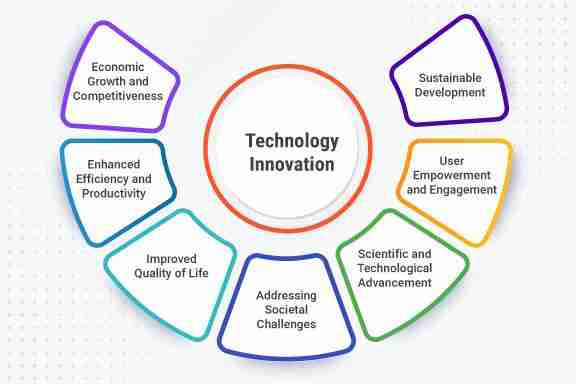
The modern rice mill plant is increasingly becoming a hub of innovation, transforming traditional practices into efficient, high-tech operations. Advanced machinery equipped with artificial intelligence (AI) and machine learning capabilities are now available, enabling plants to optimize their workflows in real-time. These innovations enhance the precision of milling, resulting in higher quality produce while minimizing waste. Some notable technologies include:
- Automated Grain Handling Systems to streamline the intake and processing of rice.
- Smart Sensors that monitor humidity and temperature, ensuring optimal storage conditions.
- Data Analytics for predictive maintenance, reducing downtime and improving overall efficiency.
Furthermore, sustainability is becoming a key focus, with energy-efficient processes being integrated into the design of new milling equipment. Renewable energy sources, such as solar and biomass, are gaining traction to power mills, reducing the carbon footprint. The implementation of water recycling systems is another stride towards eco-friendly operations. This transformation is not only beneficial for the environment but also significantly cuts operating costs. Consider the following advantages:
| Innovation | Benefit |
|---|---|
| AI-Driven Efficiency | Improved milling accuracy and reduced waste. |
| Energy-Efficient Machinery | Significant reduction in energy costs. |
| Water Recycling Systems | Conservation of water resources. |
Sustainable Practices for Long-term Growth
Incorporating eco-friendly methods into operations is essential for ensuring the longevity and prosperity of rice mill plants. Emphasizing sustainability not only mitigates environmental impact but also enhances brand reputation and consumer trust. Key practices include:
- Waste Reduction: Implement strategies to minimize waste generation during the milling process, such as reusing byproducts for bioenergy or animal feed.
- Energy Efficiency: Adopt energy-efficient machinery and renewable energy sources, like solar panels, to power operations.
- Water Conservation: Utilize advanced water management systems to recycle water within the mill cycle.
- Agroforestry Integration: Promote partnership with local farmers to integrate rice cultivation with trees, ensuring biodiversity and soil health.
Investing in sustainable practices also opens doors for innovative technologies that transform production systems. The integration of precision agriculture can lead to optimized resource use, resulting in higher quality yields. As rice mill operations evolve, the following table highlights eco-initiatives with measurable benefits:
| Initiative | Benefit |
|---|---|
| Solar Energy Adoption | Reduces operational costs and carbon footprint. |
| Water Recycling Systems | Decreases water usage by up to 50%. |
| Eco-Friendly Packaging | Enhances product appeal and reduces plastic waste. |
| Organic Fertilizers | Powers sustainable cultivation, avoiding harmful chemicals. |
Maximizing Profitability through Strategic Investments
Investing in a 4 ton rice mill plant presents an unparalleled opportunity to enhance operational efficiency while ensuring substantial returns. Strategic investments in modern milling technology can drastically reduce waste and increase production, allowing businesses to meet the demands of a growing market. Consider implementing state-of-the-art machinery that not only streamlines processing but also guarantees the quality of the final product. Key components for consideration include:
- Automated Milling Systems: Reducing manual labor and increasing precision.
- Efficient Drying Equipment: Minimizing post-harvest loss.
- Energy-Saving Solutions: Lowering operational costs.
- Advanced Quality Control Mechanisms: Ensuring consumer satisfaction and brand loyalty.
In addition to upgrading technology, diversifying product offerings can be a game changer. A well-rounded approach includes not just milled rice but also by-products such as rice bran oil and flour. By tailoring your product line to meet consumer needs, you can tap into new markets and maximize revenue streams. The following table outlines potential revenue sources:
| Product | Potential Revenue (per month) |
|---|---|
| Milled Rice | $20,000 |
| Rice Bran Oil | $15,000 |
| Rice Flour | $10,000 |
| Animal Feed | $5,000 |
By astutely positioning yourself in this way, you not only enhance profitability but also foster long-term sustainability in the rice milling industry. Staying ahead of market trends and consumer preferences will further solidify your business’s success and growth potential.
To Wrap It Up
As we conclude our exploration of the “Unlocking Potential: The 4 Ton rice mill plant Revolution,” it becomes clear that this innovative advancement is more than just a mechanized solution; it is a gateway to transformation for both rural economies and food security. The 4 ton rice mill serves as a beacon of hope, illuminating pathways for farmers and businesses to elevate their operations and maximize productivity.
In a world where food scarcity looms and efficiency is paramount, these compact yet powerful plants exemplify how technology can harmonize with tradition. They empower small-scale producers, helping them not only to increase yield but also to enhance the quality of their products—ultimately facilitating a stronger connection between agriculture and the marketplace.
As we look ahead, the ongoing evolution of rice milling technology holds immense potential for communities across the globe. By embracing such advancements, we take critical steps toward sustainable agriculture and economic resilience. The journey doesn’t end here; rather, it unfolds into a future rich with possibility where innovation continues to shape the landscape of rice production. Together, let’s nurture this revolution, ensuring that from every grain, potential is unlocked.




