
Unlocking Potential: The 2 Ton Rice Mill Plant Initiative
In the heart of agricultural innovation lies a transformative initiative poised to reshape the landscape of rice production—welcome to the 2 Ton rice mill plant Initiative. As global demand for rice continues to soar, driven by an ever-growing population and evolving culinary preferences, the need for efficient and sustainable processing methods has never been more critical. This initiative not only promises to enhance the productivity and quality of rice milling but also aims to empower local farmers and boost rural economies. By harnessing modern technology and community engagement, the 2 Ton rice mill plant stands as a beacon of potential, unlocking opportunities that extend from the fields to the market. Join us as we explore the multifaceted benefits of this initiative and its role in fostering a resilient agricultural future.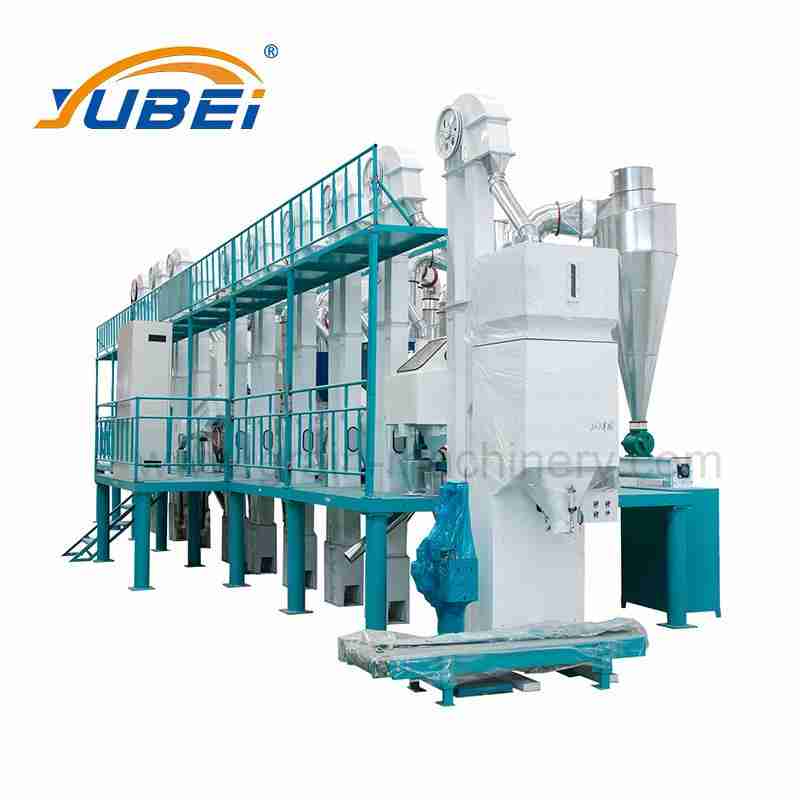
The Rise of the Two Ton rice mill plant: Transforming Communities through Agriculture
The introduction of the two-ton rice mill plant marks a transformative chapter for local communities engaged in agriculture. This innovative initiative stands as a beacon for change, enabling small-scale farmers to optimize their production processes and significantly increase their yield. With the mill’s capacity, farmers can now bring their harvest to a centralized location where they benefit from modern technology and efficient processing. This collective approach not only enhances productivity but also ensures a consistent supply of high-quality rice, fostering community trust and cooperation.
Furthermore, the ripple effects of this initiative extend far beyond mere crop yield. The establishment of the rice mill plant leads to economic empowerment by creating job opportunities in the vicinity, from mill operation to maintenance and distribution. Local entrepreneurs can seize the opportunity to engage in ancillary businesses, such as rice packaging and transport. This overarching impact creates a sustainable ecosystem where agricultural success breeds further community advancement, ultimately contributing to food security and improved livelihoods for all involved.
| Benefits of the Two Ton Rice Mill | Community Impact |
|---|---|
| Increased Efficiency | Job Creation |
| Enhanced Productivity | Entrepreneurial Opportunities |
| Better Quality Rice | Improved Food Security |

Innovative Technology and Sustainable Practices in Rice Milling
The integration of innovative technology in rice milling has redefined efficiency and productivity. At the heart of this transformation is the latest 2 Ton rice mill plant initiative, which harnesses cutting-edge machinery and sustainable techniques to minimize waste and enhance grain quality. This initiative not only simplifies the milling process but also ensures that every step, from paddy processing to packaging, is executed with precision. Key advancements include:
- Energy-efficient machines: These units are designed to consume less energy while maximizing output, making them both cost-effective and environmentally friendly.
- Automated monitoring systems: Smart technology automates operations, controls quality standards, and promptly identifies malfunctions, improving overall productivity.
- Water recycling facilities: To address water shortages, the initiative emphasizes systems that recycle and reuse water, contributing to sustainable practices in milling.
Additionally, the focus on sustainable practices complements the technological advancements, which helps to forge a resilient agricultural ecosystem. By employing organic methods and emphasizing local sourcing, the rice milling process supports the agricultural community while reducing the carbon footprint. To illustrate the effectiveness of these practices, we’ve outlined some key benefits below:
| Benefit | Description |
|---|---|
| Improved Sustainability | Reduces reliance on chemical inputs and enhances soil health. |
| Economic Growth | Creates job opportunities within the local community. |
| Enhanced Quality | Utilizes advanced milling technology to preserve nutrient integrity. |
Economic Empowerment: Creating Jobs and Boosting Local Economies
In a world constantly striving for sustainability, the introduction of a small-scale rice mill plant represents a significant leap towards economic independence for local communities. The 2 ton rice mill initiative not only provides valuable employment opportunities but also enhances skill development among the workforce. By investing in this technology, we can expect a multifaceted impact on the local economy, leading to:
- Job Creation: The establishment of the mill will generate direct employment for local residents in roles such as machine operators, maintenance staff, and administrative personnel.
- Increased Revenue: As local farmers can mill their own rice, they keep more of the profits, which can then be reinvested back into the community.
- Skill Development: Training programs for operating machinery and quality control will empower individuals with the knowledge needed to excel in the agricultural sector.
Additionally, the ripple effects of this initiative can transform surrounding businesses. Increased foot traffic around the rice mill can stimulate local enterprises like grocery stores, eateries, and transportation services. By providing a comprehensive framework for economic growth, the rice mill plant encourages collaboration among local stakeholders. The potential benefits include:
| Benefit | Description |
|---|---|
| Access to Modern Technology | Facilitates the use of improved milling techniques, ensuring higher quality output. |
| Market Stability | Reduces reliance on outside suppliers, stabilizing local rice prices. |
| Community Cohesion | Encourages farmers to work together for better logistic and marketing strategies. |
Recommendations for Successful Implementation and Community Engagement
To foster successful implementation of the 2 Ton Rice Mill Plant Initiative, it is crucial to prioritize community involvement from the outset. Engaging local stakeholders, including farmers, local business owners, and community leaders, can create a sense of ownership and pride in the project. Organizing workshops and informational sessions can help demystify the technology and operations, while also addressing any concerns the community may have. A collaborative approach allows for the gathering of valuable feedback and insights, which can be instrumental in tailoring the project to meet local needs. Ensuring that the community benefits from the initiative through job creation and support for local rice producers will reinforce this partnership.
Additionally, establishing clear communication channels is essential for maintaining momentum and enthusiasm throughout the project’s lifecycle. Regular updates and progress reports should be shared via various platforms such as social media, community bulletin boards, and town hall meetings. Implementing an evaluation framework will help track the project’s impact and identify areas for improvement. Here’s a snapshot of how feedback can be solicited and incorporated:
| Feedback Method | Frequency | Goal |
|---|---|---|
| Surveys | Quarterly | Gauge community sentiment |
| Community Meetings | Monthly | Discuss updates and challenges |
| Online Feedback Forms | Ongoing | Capture real-time suggestions |
By fostering an inclusive atmosphere and encouraging ongoing dialogue, the 2 Ton Rice Mill Plant Initiative can not only thrive but also enhance community resilience and economic growth.
Future Outlook
As we draw the curtain on our exploration of the “Unlocking Potential: The 2 Ton rice mill plant Initiative,” it becomes clear that this project is not merely about processing rice; it embodies the promise of empowerment, sustainability, and community growth. In a world where agriculture must grapple with the shifting tides of climate and economy, this initiative stands as a beacon of innovation, setting a standard for others to follow.
The establishment of the 2 Ton rice mill plant is more than a technological advancement; it is a commitment to lifting farmers from the cycle of unpredictability, one grain at a time. By providing farmers with tools that enhance productivity and promote self-sufficiency, we pave the way for a future where rural communities thrive and jobs are plentiful.
In embracing the potential of this initiative, we are reminded of the intricate tapestry of human endeavor, woven together by the threads of collaboration, creativity, and resilience. As we conclude, let us carry forward the lessons learned, the aspirations ignited, and the collective hope that together we can transform visions into realities, nurturing a more prosperous future for all. With every sack of rice milled and every community uplifted, we are indeed unlocking potential—one mill at a time.




