
Unlocking Potential: A Comprehensive Guide to Rice Milling Units
In the heart of agrarian economies, where golden fields stretch towards the horizon, rice stands as a symbol of sustenance and resilience. Yet, it is not merely the grain itself that captivates—it’s the intricate journey from paddy to plate that often goes unnoticed. Enter the realm of rice milling units, the unsung heroes of the rice industry, where raw paddy is transformed into the polished grains that feed millions. This comprehensive guide aims to illuminate the nuances of rice milling units, exploring their vital role in enhancing quality, efficiency, and profitability within the rice supply chain. By delving into the mechanics, best practices, and innovations driving these facilities, we unlock the potential not only for farmers and millers but for communities and economies that depend on this staple crop. Whether you are an industry veteran or a curious newcomer, join us as we navigate the complex world of rice milling—an art and a science that holds the key to food security and economic growth.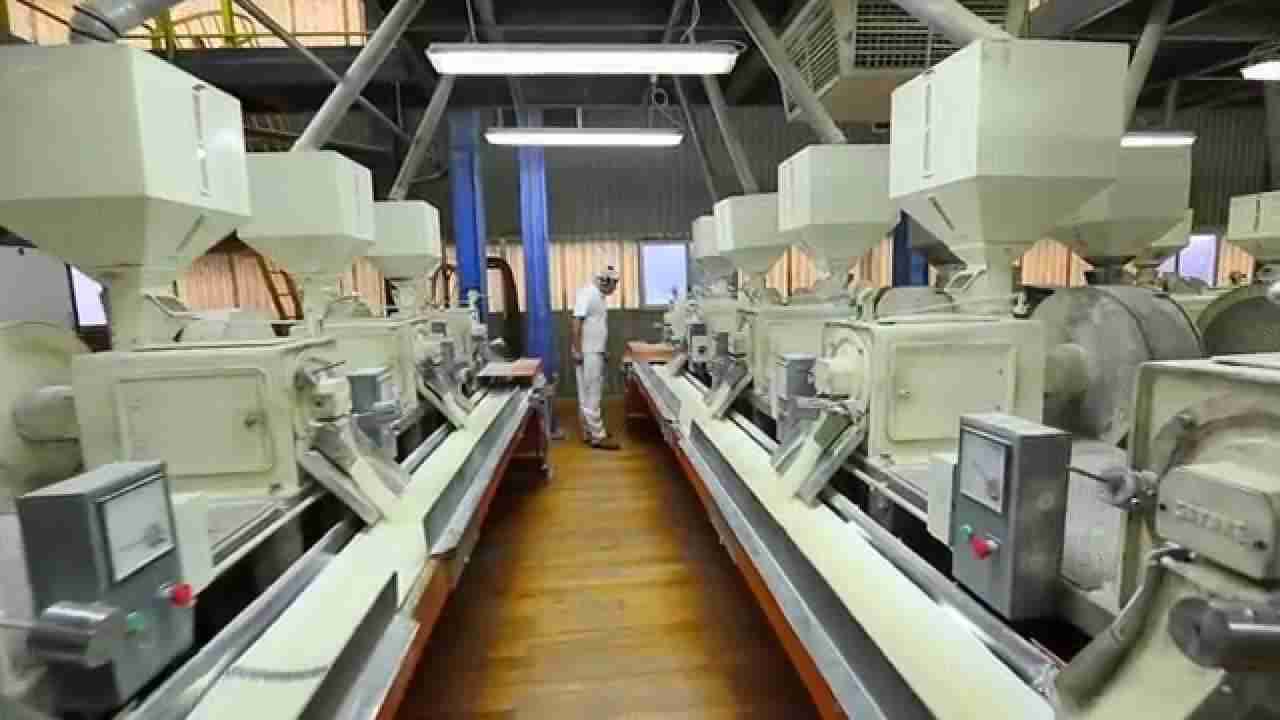
Exploring the Basics of Rice Milling Technology
Rice milling technology encompasses a series of processes that convert whole paddy into consumable rice, ensuring that the grains are not only edible but also appealing. The journey begins with dehusking, where the tough outer husk is removed. Following this, whitening eliminates the bran layer, revealing the polished grains inside. This dual process is essential in delivering the quality expected by consumers, making the choice of milling technology critical for rice producers. Key equipment used in these processes includes huskers, paddy separators, and polishers, each playing a crucial role in enhancing both efficiency and yield.
Understanding the technology used in rice milling can empower farmers and mill owners to make informed decisions regarding their operations. Considerations for selecting the right milling unit should include:
- Capacity: The volume of paddy that can be processed over a specific timeframe.
- Energy Efficiency: How effectively the unit converts energy into productive output.
- Maintenance: The ease of upkeep and replacement of parts to minimize downtime.
- Quality of End Product: The texture and appearance of the rice after milling.
A comparative table highlighting some popular rice milling machines and their features can help prospective buyers make an educated choice:
| Machine Model | Capacity (kg/h) | Power (HP) | Special Features |
|---|---|---|---|
| Model A | 250 | 10 | Integrated dehusker and whitener |
| Model B | 500 | 15 | Energy-efficient design with low noise |
| Model C | 1000 | 20 | Smart technology for optimization |
By familiarizing oneself with the basics of rice milling technology, stakeholders can tap into innovations that not only improve output but also add value to their rice production enterprises.

Essential Equipment for Efficient Rice Processing
To achieve optimal results in rice processing, having the right equipment is paramount. Each piece of machinery plays a crucial role in transforming harvested paddy into polished rice ready for market. Essential equipment includes threshers for separating grains from stalks, huskers for removing the outer husk, and milling machines, which are the heart of the operation, refining brown rice into the fine white product consumers prefer. Additionally, de-stoners and grader machines ensure the quality of the final rice product by eliminating impurities and sorting grains based on size.
The selection of machinery also hinges on the scale of the operation. For smaller units, portable rice mills may prove effective, allowing flexibility and lower investment. Conversely, larger milling facilities often utilize multi-functional processing units that cover multiple processes in one machine, enhancing efficiency. A typical setup may include:
| Equipment | Function |
|---|---|
| Threshers | Separates grains from stalks |
| Huskers | Removes husks from grains |
| Milling Machines | Processes brown rice into white rice |
| De-stoners | Eliminates stones and foreign materials |
| Grader Machines | Sorts rice by size and quality |
Optimizing Production: Best Practices for Rice Milling Units
Efficient rice milling units can significantly enhance productivity if they are optimized correctly. One of the foundational practices involves regular maintenance of machinery. This not only prolongs the lifespan of the equipment but also ensures consistent performance. Scheduled checks for wear and tear, lubrication, and timely replacement of parts can save substantial costs in the long run. Additionally, operators should be trained to understand machine operations, thus minimizing human error during production. Other best practices include:
- Streamlining workflow: Arrange processes in a logical flow to minimize wasted movement.
- Implementing quality control measures: Regularly inspect the quality of rice at each stage.
- Adopting modern technology: Utilize automated systems for varying tasks to enhance speed and precision.
Another critical element in optimizing production is effective inventory management. Maintaining an accurate inventory of raw materials and finished products allows for better forecasting and minimizes storage costs. It’s crucial to establish a systematic tracking process to keep tabs on stock levels. By combining this with a demand-driven approach, rice milling units can tailor their production schedules to meet market needs effectively. Consider the following strategies for better inventory management:
| Strategy | Description |
|---|---|
| Just-in-Time (JIT) | Minimizes inventory costs by ordering materials as needed. |
| First In, First Out (FIFO) | Ensures older stocks are used first, maintaining freshness of products. |
| Technological Integration | Utilizes software for real-time tracking and inventory alerts. |
Sustainability Strategies for Modern Rice Milling Operations
Modern rice milling operations are increasingly recognizing the importance of integrating sustainable practices into their processes to reduce environmental impact and enhance efficiency. One effective strategy is waste minimization, where byproducts of the milling process, such as rice husk and bran, are repurposed. These materials can be transformed into animal feed, organic fertilizers, or even bioenergy, leading to reduced waste disposal costs and additional revenue streams. Incorporating energy-efficient machinery is another essential tactic; these machines consume less power and often come with innovative features, such as automatic adjustments to minimize resource waste while maximizing output.
Furthermore, water conservation techniques are vital in rice milling. Implementing closed-loop water systems can significantly reduce water usage by recycling water during the milling process. In addition to water, adopting renewable energy sources, such as solar or biogas, can help rice mills reduce dependency on fossil fuels, lower operational costs, and contribute to a greener footprint. Training staff on sustainable practices enhances overall efficiency and fosters a culture of responsibility within the organization, ensuring that sustainability becomes a fundamental aspect of the company’s operations.
Wrapping Up
As we draw the curtains on our exploration of rice milling units, it becomes clear that these essential establishments serve as the backbone of rice production, transforming a humble grain into a staple that nourishes millions around the globe. The journey through the intricacies of rice milling—from understanding the machinery involved to mastering the nuances of quality control—offers invaluable insights for anyone aspiring to venture into this vital industry.
Like the grains that pass through the mill, potential lies waiting to be unlocked, shaped, and refined. As emerging technologies and sustainable practices continue to reshape our approach, it is imperative for entrepreneurs and established businesses alike to remain adaptable and informed.
In encapsulating the essence of this guide, we invite you, whether you are a seasoned miller, an aspirant entrepreneur, or simply someone intrigued by the wonders of food processing, to take these insights and tools to heart. Embrace the knowledge, nurture the skills, and let the journey of unlocking potential in the world of rice milling guide you toward new opportunities and successes. The horizon is rich with promise—step forward and discover what lies ahead.




