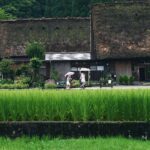
In the heart of agricultural landscapes, where golden fields sway gently in the breeze, lies a remarkable conversion taking place within the walls of a modern rice mill plant.As the world grapples with challenges of food security and enduring farming, these facilities are stepping into the spotlight, showcasing how innovation can unlock the full potential of one of humanity’s most vital staples: rice. From the moment freshly harvested grains arrive to the precise milling processes that yield perfectly polished rice, this article will take you on a behind-the-scenes journey through the intricacies of rice processing. Join us as we explore the technology, craftsmanship, and environmental stewardship that define modern rice milling, and discover how these operations are not only preserving the tradition of rice cultivation but also paving the way for a more sustainable agricultural future.
exploring Cutting-Edge Technology in Rice Milling Operations
The modern rice mill plant is a marvel of engineering, where innovation meets tradition to enhance productivity and efficiency. High-tech machinery and automation now play a pivotal role in streamlining operations and minimizing waste. Utilizing precision milling machines equipped with world-class sensors, operators can monitor the rice kernels’ quality in real-time, ensuring optimal output.The integration of artificial intelligence allows for predictive maintenance, reducing the likelihood of mechanical failures and ensuring a seamless workflow. Furthermore, advancements in energy efficiency technologies contribute to lower operational costs, making these facilities not only more eco-friendly but also more economically viable.
Beyond the machinery, logistics and data management systems have evolved dramatically. Modern rice mills use complex software solutions that handle everything from inventory management to supply chain optimization. This enables mill operators to track production metrics, forecast demand, and plan logistics efficiently. The implementation of IoT devices facilitates better communication between machinery and control systems, leading to quicker response times and improved decision-making processes. The future of rice milling continues to look promising as these cutting-edge technologies pave the way for more sustainable practices and enable millers to unlock the full potential of their grain.

Harnessing Sustainability: Eco-Friendly Practices in grain Processing
In the quest for a sustainable future, modern rice mills are increasingly embracing eco-friendly practices that not only enhance efficiency but also minimize environmental impact. By integrating advanced technologies and methodologies, these facilities are rethinking conventional grain processing routes. Some of the most prominent strategies include:
- Water Recycling Systems: Implementing closed-loop systems that recycle water used during processing, drastically reducing overall consumption.
- Energy Efficiency: Utilizing energy-efficient machinery and renewable energy sources, such as solar power, to decrease dependency on fossil fuels.
- Waste Management: Carefully managing by-products, like rice husks, which are repurposed as biomass fuel or organic fertilizer, thereby reducing waste.
Moreover, these facilities are increasingly focusing on the entire supply chain, ensuring that sustainability is embedded at every level of operation. From sourcing practices to logistics, the emphasis is on reducing carbon footprints and promoting local economies. An effective way to illustrate these goals is through the establishment of a sustainability matrix, showcasing key performance indicators:
| Practice | Impact | Goal |
|---|---|---|
| Water Conservation | Reduced water usage | 30% reduction by 2025 |
| Energy Use | lower emissions | 100% renewable energy by 2030 |
| Waste Reduction | Less landfill contribution | Zero waste by 2028 |
Enhancing Quality Control: Standards and Innovations in Rice Production
In the quest for superior rice quality, modern mills engage in a multifaceted approach that prioritizes both standards and technological innovation. State-of-the-art equipment, like automated sorting machines, significantly reduces the incidence of impurities, ensuring that only the finest grains proceed to the next stages of processing. Furthermore, the incorporation of moisture control systems is vital as it directly impacts grain storage and shelf life. A few key components of this modernized quality control approach include:
- Optical Sorting Technology: Ensures the separation of discolored or damaged kernels.
- Precision Milling Techniques: Optimizes the extraction process while maintaining grain integrity.
- Continuous Monitoring Systems: Allow for real-time adjustments to parameters affecting quality.
Emphasizing traceability, many facilities now utilize advanced data analytics to monitor production cycles and quality indicators. This data-driven approach facilitates proactive adjustments and fosters continuous enhancement. Additionally, benign pest management and sanitary practices have transformed the rice production ecosystem by ensuring sustainability and consumer safety. For a clearer outlook, the following table summarizes recent advancements:
| Innovation | Benefit |
|---|---|
| Robotic grain Handling | Increases efficiency and reduces labor costs. |
| Blockchain Verification | Enhances supply chain transparency. |
| environmentally-Friendly Processing | Minimizes ecological impact. |
Maximizing Efficiency: Best Practices for Streamlined Mill Management
To achieve operational excellence in a rice mill, implementing systematic approaches is crucial.Regular maintenance schedules should be a standard practice to prevent unexpected breakdowns and ensure equipment longevity. Additionally, investing in staff training empowers employees to operate machinery efficiently and identify potential issues early. Another key practice is to utilize data analytics that monitors production metrics,helping managers make informed decisions about inventory and workflow optimization.
Moreover, adopting a lean management ideology can greatly enhance productivity. This involves assessing every step in the milling process for waste reduction, whether it’s time, energy, or resources. Organizing workflows and minimizing excess movement can result in meaningful efficiency gains. Consider implementing an intuitive warehouse management system to track stock levels and improve handling processes. Here’s a simplified table illustrating the main areas of focus in streamlining mill operations:
| focus Area | Best Practice | Expected Outcome |
|---|---|---|
| Equipment Maintenance | Scheduled Inspections | Reduced Downtime |
| Staff Training | Regular Workshops | Enhanced Efficiency |
| Data Utilization | Production Metrics Analysis | Informed Decisions |
| Resource Management | Inventory Management System | Optimized Stock Levels |
The Conclusion
As we draw the curtain on our exploration of modern rice mill plants, it becomes evident that these facilities are more than just hubs of production; they serve as critical nodes in the intricate web of global agriculture. By harnessing advanced technology and sustainable practices, these mills not only unlock the potential of grain but also bolster food security and empower communities. The transformation of paddy into polished rice is a captivating journey—one that reflects centuries of tradition interwoven with innovation.
As we embrace the promise of the future, the evolution of rice milling underscores the importance of adaptability and foresight in an ever-changing agricultural landscape. The strides made in efficiency, quality, and sustainability pave the way for a more resilient food system, serving as a testament to what can be achieved when we combine age-old wisdom with modern expertise.In this sphere of possibility,we invite you to imagine the next chapter in the story of grain production—one where every grain not only nourishes bodies but also sustains the planet.With continued investment in technology and a commitment to sustainable practices, the modern rice mill plant stands ready to shape the future of food.