
In the heart of agricultural landscapes, where golden fields of rice sway gently in the breeze, lies a vital process that transforms this staple grain into the food staple cherished by millions. Rice milling, an intricate dance of technology and tradition, serves as the gateway to unlocking the full potential of this versatile crop. As the global demand for rice continues to rise, understanding the essentials of rice milling units becomes increasingly crucial. This article delves into the fundamental aspects of rice milling, exploring the machinery, techniques, and innovations that not only enhance grain quality but also ensure food security and promote sustainable practices. Join us as we navigate the vital role of rice milling units in bridging the gap between harvest and plate, spotlighting the science behind each grain’s journey to nourishment.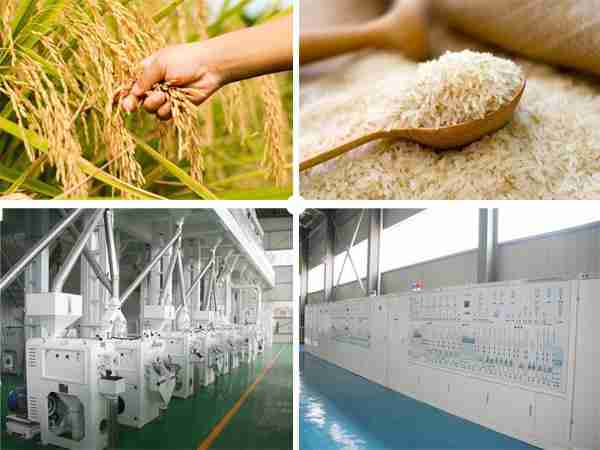
Understanding the Fundamentals of Rice Milling Technology
The process of transforming raw paddy into pristine white rice involves a series of meticulously designed steps that are governed by technological advancements. At the heart of rice milling technology lies the concept of efficiency and precision, which are achieved through a combination of mechanical prowess and modern innovation. Key components of a rice milling unit include dehusking, milling, and polishing, each playing a vital role in enhancing the quality and yield of the final product. Understanding these stages helps to unlock the grain’s potential, ensuring minimal loss and maximum output during processing.
Critical to successful rice milling is the selection of appropriate machinery tailored to the specific needs of the operation. Factoring in aspects such as the scale of production, cost considerations, and local grain quality can significantly influence the choice of technology. A few essential features that define an advanced rice milling unit include:
- Automated Feeding Systems: Enhances consistency and reduces manual labor.
- Multi-stage Processing Units: Allows for comprehensive treatment in a single line.
- Quality Control Mechanisms: Facilitates real-time monitoring and adjustments.
To illustrate the impact of upgraded milling technology on rice quality, consider the following comparative analysis:
| Traditional Milling | Modern Milling Technology |
|---|---|
| Higher broken rice percentage | Minimized broken grains |
| Manual labor-intensive | Automated workflow |
| Standardized end products | Customizable grain grades |
Understanding the nuances of rice milling technology not only aids in selecting the right equipment but also ensures better rice quality, which is paramount in meeting consumer demands and sustaining market competitiveness.

Key Components of Efficient Rice Milling Units
To optimize rice milling, several key components must work seamlessly together. The heart of any rice milling unit is the paddy separator, which ensures only high-quality grains enter the milling process while discarding impurities. Surrounding this pivotal machine are the huskers and shellers, designed to efficiently remove the husk and bran layers from the rice grains. This critical step in refining the rice not only enhances its visual appeal but also maximizes its shelf life and nutritional value. The incorporation of modern cleaning systems further contributes by minimizing broken grains and maintaining the integrity of the product.
Beyond the machinery involved, the efficiency of a rice milling unit also hinges on solid infrastructural support. This includes proper storage facilities that shield the grains from moisture and pests, which is vital for preserving quality before and after milling. Additionally, integrating advanced quality control measures ensures that only the best products reach the consumer. Consider the following aspects that contribute to an efficient operation:
| Component | Functionality |
|---|---|
| Paddy Separator | Separates paddy from impurities |
| Huskers | Removes husk from rice grains |
| Suction Systems | Eliminates dust and small particles |
| Storage Silos | Protects grains from pests and moisture |
Best Practices for Optimizing Rice Quality and Yield
Optimizing rice quality and yield is a multifaceted approach that requires attention to several critical factors. Soil health plays a vital role; ensuring that the soil is rich in organic matter and nutrients paves the way for robust rice growth. Implementing practices such as crop rotation and cover cropping can enhance soil fertility over time. Additionally, proper water management is essential. Techniques like alternate wetting and drying not only conserve water but also promote healthier root development and higher productivity.
In addition to soil and water management, harvest timing significantly influences quality. Farmers should monitor the maturity of rice grains to determine the optimal harvest period, as delayed harvesting may result in lower grain quality and increased susceptibility to pests. After harvesting, investing in advanced milling technology can further improve grain quality. Utilization of modern milling units helps to minimize grain breakage, enhance the appearance of rice, and maintain its nutritional content. Below is a simple comparison of common milling technologies:
| Milling Technology | Advantages | Disadvantages |
|---|---|---|
| Traditional Milling | Low cost, easy to operate | High breakage rate, poor quality |
| Modern Automated Mills | High efficiency, consistent quality | Initial investment cost, maintenance needs |
| Hybrid Milling Systems | Balanced cost and quality | Requires skilled operators |
By focusing on these key areas, rice producers can effectively enhance both the quality of their grains and their overall yield, ensuring a more sustainable and profitable farming operation.
Future Trends in Rice Milling Innovations and Sustainability
As the global demand for rice increases, the rice milling industry is witnessing a surge in innovative technologies aimed at enhancing both efficiency and sustainability. These advancements allow mills to optimize production while reducing waste and minimizing environmental impact. Key trends include the integration of smart technologies that leverage IoT (Internet of Things) for real-time monitoring and predictive maintenance of milling equipment. These systems can significantly cut down on energy consumption and improve the quality of the final product. Furthermore, the adoption of biomass energy solutions is on the rise, enabling mills to utilize by-products such as rice husks and straw as renewable energy sources, thus supporting a circular economy.
Another exciting development is the focus on sustainable practices within rice milling operations. Investing in water-efficient technology not only conserves valuable resources but also reduces operational costs. Additionally, enhancing traceability systems through blockchain technology can assure consumers of the quality and sustainability of rice production methods. As these innovations continue to be implemented, the industry is set to align more closely with global sustainability goals. Below is a table encapsulating some key innovations and their benefits:
| Innovation | Benefit |
|---|---|
| Smart Technology | Real-time monitoring & predictive maintenance |
| Biomass Energy Solutions | Utilizing by-products for renewable energy |
| Water-Efficient Technologies | Conservation and cost reduction |
| Blockchain Traceability | Assures quality and sustainability |
The Way Forward
the journey of transforming raw rice into a market-ready product is a delicate balance of science and artistry, encapsulated within the walls of a rice milling unit. From understanding the intrinsic qualities of different rice varieties to harnessing advanced milling technology, each step plays a crucial role in unlocking the grain’s true potential. As we’ve explored the essentials of these milling units, it’s clear that investing in the right equipment, training, and processes not only enhances quality but also promotes sustainability and economic viability. As the demand for rice continues to grow globally, the significance of efficient milling operations will only intensify. By focusing on innovation and best practices, producers can ensure that they not only meet consumer needs but also contribute to a more sustainable future. Here’s to the unsung heroes of the rice industry—the milling units—who turn simple grains into a staple of life. Let us appreciate their role in feeding the world, one grain at a time.




