
Unlocking Grain Potential: The Essential Guide to Rice Milling Units
In the heart of agriculture, where tradition meets innovation, lies a world of untapped potential—rice milling. As one of the most consumed staple foods globally, the journey from paddy to plate is critical, and at its core are rice milling units, the unsung heroes that transform raw grain into the fluffy staple we know and love. This guide aims to illuminate the intricate processes, technological advancements, and essential practices involved in rice milling. Whether you are a seasoned miller looking to refine your techniques or a curious newcomer eager to learn about the industry, understanding these units is key to unlocking the full potential of rice grain. Join us as we embark on a comprehensive exploration of the machinery, methods, and market insights that define this vital sector, paving the way for a greater appreciation of one of humanity’s oldest crops.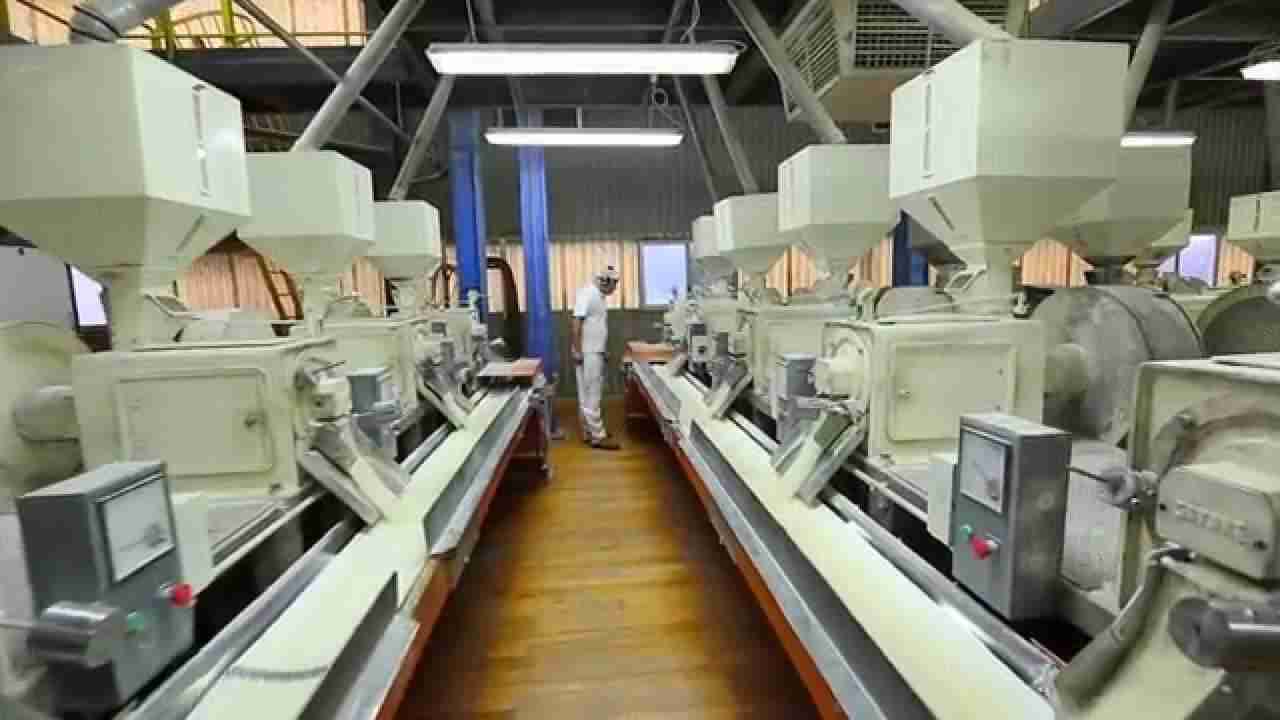
Understanding the Rice Milling Process for Maximum Yield
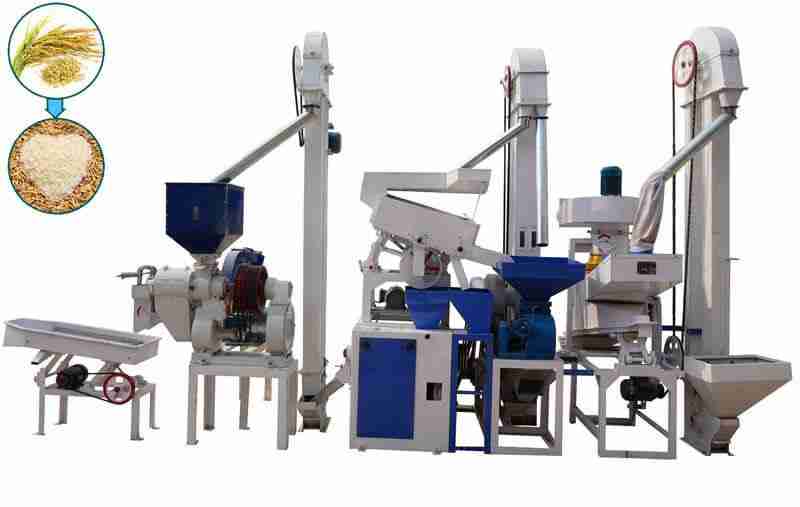
Rice milling is a multifaceted process that transforms raw paddy into market-ready rice, with several critical stages that directly influence the yield and quality of the final product. Initially, paddy undergoes pre-cleaning to remove impurities such as straw, dirt, and stones, ensuring that only high-quality grains proceed. Following this, the paddy is subjected to hulling, where the outer husk is removed, exposing the brown rice. The next phase is polishing, which enhances the color and removes any residual bran. Throughout each of these steps, meticulous care is taken to minimize grain breakage, as maximizing whole grain yield is essential for profitability.
To further comprehend the rice milling process, it’s important to consider the following key factors that influence both efficiency and output:
- Moisture Content: Ideal moisture levels (around 14%) ensure optimal milling without grain damage.
- Milling Equipment: Modern, well-maintained machinery can significantly enhance yield rates.
- Flow Rate: Balancing the flow of paddy through each stage prevents bottlenecks and ensures consistent quality.
| Stage | Purpose | Outcome |
|---|---|---|
| Pre-Cleaning | Remove foreign materials | Higher purity of paddy |
| Hulling | Remove outer husk | Brown rice production |
| Polishing | Enhance appearance | Market-ready white rice |
Choosing the Right Rice Milling Equipment for Your Needs
When it comes to rice milling equipment, the variety can be overwhelming. To find the perfect fit for your operation, consider essential factors such as capacity, process efficiency, and quality of output. The size, scale, and specific needs of your rice production will significantly influence your choice. For smaller operations, a compact, multi-functional milling machine may be ideal, while larger enterprises may require a more sophisticated, high-capacity milling unit that can handle extensive processing while maintaining quality.
Another critical factor is the milling technology used in the equipment. Traditional hullers can be efficient for small batches but might lack the precision that modern, high-tech milling machines provide. When evaluating options, take note of features such as automatic grain separation, energy consumption, and maintenance requirements. A well-structured comparison can help you gauge which machine meets your standards:
| Feature | Compact Huller | High-Capacity Mill |
|---|---|---|
| Typical Output | 100-500 kg/hr | 1-5 tons/hr |
| Milling Precision | Basic | High |
| Energy Efficiency | Moderate | High |
Enhancing Quality Control in Rice Milling Operations
In the world of rice milling, the pursuit of excellence begins with rigorous quality control measures. By adopting a systematic approach to quality assessment at every stage of rice processing, milling operations can significantly elevate the final product. This involves implementing cutting-edge technology along with traditional inspection methods to monitor the grain’s quality consistently. Key strategies include:
- Regular Sampling: Taking frequent and systematic samples during milling helps in identifying issues early and ensuring uniform quality.
- Visual Inspection: Employing trained personnel to visually inspect grains for defects, color, and size ensures strict adherence to quality standards.
- Moisture Testing: Utilizing moisture meters to check grain moisture content is essential in preventing spoilage and maintaining optimum shelf life.
Additionally, documenting quality control outcomes through a well-structured reporting system is crucial. By creating a feedback loop that connects production data with quality findings, management can make informed decisions that enhance overall operational efficiency. Implementing a quality management system can streamline processes and focus on the following aspects:
| Quality Control Aspect | Objective | Benefit |
|---|---|---|
| Consistent Quality Checks | Establish uniform standards | Enhances customer satisfaction |
| Data-Driven Decisions | Utilize analytics for quality trends | Reduces waste and improves yield |
| Employee Training | Empower staff with skills and knowledge | Promotes a culture of quality |
Sustainability Practices in Rice Milling: A Path Forward
Embracing sustainability in rice milling not only enhances environmental integrity but also creates economic opportunities for mill operators and local communities. By adopting innovative approaches, rice milling units can significantly reduce their carbon footprint while improving production efficiency. Some impactful strategies include:
- Waste Minimization: Implementing practices to recycle and repurpose by-products, like using rice husks for bioenergy or as organic fertilizer.
- Water Conservation: Employing advanced technologies that reduce water consumption during the milling process, ensuring minimal wastage.
- Energy Efficiency: Upgrading to energy-efficient machinery to lower electricity usage and mitigate greenhouse gas emissions.
Moreover, collaboration with local farmers can forge a sustainable supply chain that aligns environmental goals with economic viability. By providing training and resources, rice mills can help farmers adopt sustainable agricultural practices, ultimately leading to lower use of chemical fertilizers and pesticides. The following table outlines the benefits of integrating sustainability in rice milling:
| Benefit | Description |
|---|---|
| Cost Savings | Reduced operational costs through energy and water savings. |
| Market Appeal | Growing demand for sustainably produced products among consumers. |
| Positive Impact | Support for local economies and enhancement of community relationships. |
The Conclusion
As we conclude our journey through the intricacies of rice milling units, it’s clear that unlocking grain potential requires more than just machinery; it demands a deep understanding of the process, technology, and market dynamics. This essential guide has illuminated the pathways to optimizing production, ensuring quality, and enhancing the value of this staple crop that feeds billions around the globe.
Equipped with the insights shared in this article, stakeholders—whether farmers, millers, or investors—are empowered to make informed decisions that could reshape the landscape of rice milling. By embracing innovation and adhering to best practices, the industry can not only boost efficiency and sustainability but also contribute to food security and economic resilience.
As we move forward, let us remember that each grain offers a story waiting to be told. By harnessing the full potential of rice milling units, we can unlock not just the grains, but also the dreams and aspirations of those who rely on them. Your journey towards making an impact in the rice milling sector starts here—let’s set the stage for a prosperous future, one grain at a time.




