
In the heart of agricultural innovation, a quiet revolution is taking root—transforming the way we process one of the world’s staple foods: rice. As the global demand for efficient and sustainable production methods escalates, automatic rice mill plants are emerging as the front-runners in this burgeoning landscape. Gone are the days of labor-intensive techniques and time-consuming processes; these modern facilities harness advanced technology to streamline operations and maximize yield. This article delves into the rise of automatic rice mill plants, exploring their role in enhancing efficiency, reducing waste, and supporting the agricultural economy in an ever-evolving world. Join us as we uncover how this shift not only benefits producers but also shapes the future of food security and sustainability across the globe.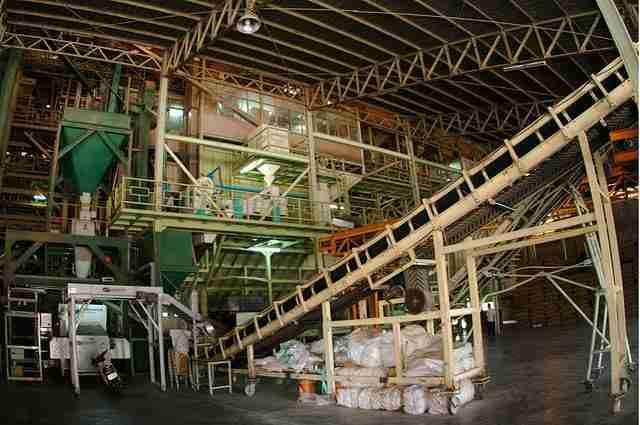
The Evolution of Rice Milling Technology and Its Impact on Productivity
The transformation of rice milling technology has witnessed remarkable developments over the decades, significantly altering the landscape of rice production. Early rice milling processes were labor-intensive, relying heavily on manual labor to husk and process rice grains. As demand surged, so did the need for more efficient methods, leading to the introduction of mechanized milling systems. From traditional stone mills to the sophisticated designs of today, these advancements have enabled rice producers to increase output while maintaining the quality of the grains. The gradual shift towards automatic rice mill plants has been propelled by technological innovations such as automated sorting and grading systems, which dramatically reduce production time and improve overall consistency.
Today’s automatic rice milling plants employ cutting-edge technologies to enhance not just productivity but also operational efficiency. These systems incorporate advanced sensors and AI-driven analytics to monitor every stage of the milling process, ensuring precision and minimal waste. The benefits extend beyond mere production figures; they also contribute to improved labor conditions and reduced operational costs. Some key features influencing this transformation include:
- Higher output capacity: Automation allows for processing larger quantities in shorter time frames.
- Energy efficiency: Modern plants utilize energy-efficient machinery, significantly lowering energy costs.
- Reduced labor costs: Automation minimizes the number of workers needed, streamlining the milling process.
- Enhanced quality control: Integrated technology ensures consistent quality through precise measurements and adjustments.

Key Benefits of Automatic Rice Mill Plants for Modern Agriculture
Automatic rice mill plants have transformed the landscape of rice processing, delivering a multitude of advantages that significantly enhance productivity and quality. By leveraging cutting-edge technology, these plants facilitate a seamless and efficient milling process, minimizing the time and labor traditionally associated with rice production. Key features include:
- Increased Output: With a capacity to handle larger volumes of paddy, automatic mills can process rice at a much faster rate, catering to the growing demand.
- Consistent Quality: Advanced machinery ensures that each grain is milled uniformly, resulting in a superior final product that meets consumer standards.
- Labor Saving: Automation reduces the need for manual labor, lowering operational costs while enhancing safety.
Moreover, these plants are engineered for sustainability, enabling farmers to maximize their resource efficiency. They often come equipped with features that minimize waste and utilize energy effectively, contributing to a greener agricultural footprint. Key sustainability benefits include:
- Waste Reduction: Efficient by-products management turns rice husks and bran into useful materials or energy sources.
- Energy Efficiency: Incorporation of renewable energy systems and energy-saving technologies reduces the overall energy consumption.
- Minimal Water Usage: Advanced milling techniques significantly lower water requirement, promoting conservation in agriculture.
Implementing Sustainability Practices in Rice Milling Operations
In today’s rapidly evolving agricultural landscape, integrating eco-friendly practices within rice milling operations has become a vital focus for achieving both productivity and sustainability. To achieve this balance, rice millers are increasingly adopting a variety of energy-efficient technologies and waste reduction strategies. By optimizing machinery and refining processing techniques, millers can significantly reduce their carbon footprint while enhancing the quality of their products. Some effective practices include:
- Utilizing solar energy for powering machinery, which can reduce reliance on fossil fuels.
- Implementing water recycling systems to minimize water usage during the milling process.
- Developing biogas from rice husk waste, which can be used to fuel operations or generate electricity.
Furthermore, engaging in sustainable sourcing and promoting local procurement of paddy can have a positive ripple effect on the community and environment. By onboarding local farmers, rice mills not only ensure fresher products but also empower local economies. To illustrate the impact of these practices, consider the following table that outlines key sustainability outcomes from adopting a green approach:
| Practice Implemented | Environmental Impact | Economic Benefit |
|---|---|---|
| Energy-efficient Technology | Reduced greenhouse gas emissions | Lower operational costs |
| Water Recycling Systems | Conservation of freshwater resources | Decreased water bills |
| Local Procurement | Supporting biodiversity and sustainable farming | Strengthened community relations and stability |
Future Trends Shaping the Rice Milling Industry and Recommendations for Stakeholders
As the rice milling industry evolves, several trends are emerging that promise to reshape operations and enhance productivity. One of the most significant shifts is the integration of smart technology into automatic rice mill plants. This includes the use of sensors for real-time monitoring, precision milling techniques, and advanced data analytics to improve yield and reduce waste. Stakeholders should invest in these technologies to maximize operational efficiency and minimize environmental impact. Additionally, adopting sustainable practices, such as energy-efficient machinery and waste recycling processes, not only fulfills corporate social responsibility but also meets increasing consumer demands for eco-friendly products.
Another trend gaining traction is the customization of milling processes to suit diverse consumer preferences. As markets expand globally, the demand for various rice qualities grows. Stakeholders should consider the implementation of flexible milling systems that can adjust to different rice types, thereby reducing downtime and improving output efficiency. Furthermore, collaboration with research institutions can foster innovation in product development. Implementing training programs for staff on emerging technologies and best practices will ensure that the workforce is well-equipped to handle these advancements. By embracing these trends, stakeholders can not only keep pace with the industry’s evolution but also drive sustainable growth.
The Way Forward
As we conclude our exploration of automatic rice mill plants, it becomes clear that these innovations are more than just technological advancements; they embody a shift towards greater efficiency and sustainability in agriculture. By unlocking the potential of automation, farmers and millers can enhance productivity, reduce waste, and ultimately contribute to food security in an ever-evolving global market.
The rise of these automated systems signifies a new era where traditional practices meet cutting-edge technology, creating a harmonious balance that benefits both producers and consumers alike. As we move forward, embracing these changes will not only redefine how we think about rice processing but also set a precedent for other agricultural sectors to follow.
In this journey toward innovation, it is crucial to consider the implications for smallholder farmers, the environment, and food quality. The integration of automatic rice mill plants is just the beginning; the future holds endless possibilities for further advancements that will continue to shape the landscape of agriculture. In unlocking efficiency, we are also unlocking new opportunities for progress—one grain at a time.




