
Unlocking Efficiency: The Essential Guide to Rice Milling Units
In a world where food security and sustainable agricultural practices are becoming increasingly vital, the spotlight shines brightly on one of the oldest staples of human civilization: rice. As the demand for this versatile grain grows, so too does the need for efficient processing methods that ensure quality and reduce waste. Enter rice milling units—dynamic hubs of innovation that transform harvested paddy into the polished grains that grace our tables. This guide aims to peel back the layers of rice milling, exploring the technology, processes, and best practices that lie at the heart of these essential units. Whether you’re a seasoned mill operator, a budding entrepreneur in the agricultural sector, or simply someone intrigued by the interplay of food production and technology, join us as we unlock the secrets to maximizing efficiency in rice milling. Together, we will navigate the complexities of this industry, highlighting not only its challenges but also the opportunities that lie in optimizing one of the world’s most consumed crops.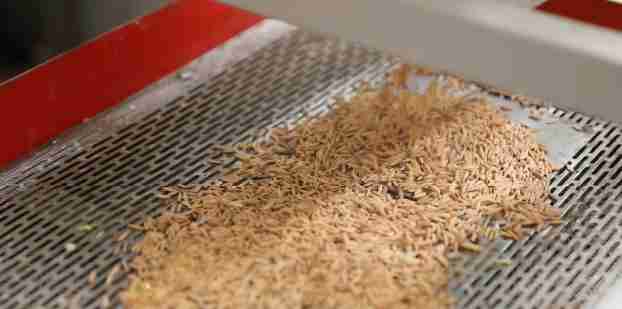
Understanding Rice Milling Technology and Its Importance
Rice milling technology plays a crucial role in transforming paddy into consumable rice, ensuring minimal grain loss and maintaining quality. This intricate process involves various stages designed to optimize yield while preserving the nutritional values of the rice. Key components include cleaning, hulling, milling, and polishing, each contributing to the overall efficiency of the milling unit. Understanding the mechanics of these components not only highlights the sophistication of modern milling units but also emphasizes their contribution to food security and economic stability in rice-dependent regions.
The importance of these advancements cannot be understated, as they directly affect both producers and consumers. Efficient rice milling technology can result in:
- Increased yield: Higher extraction rates enhance profitability for millers.
- Quality preservation: Advanced techniques minimize broken grains and retain nutritional content.
- Cost savings: Optimized processes reduce energy consumption and labor costs.
- Environmental impact: Improved waste management and reduction of by-products.
Incorporating innovative technologies into rice milling not only supports local economies but also drives the advancement of agricultural practices globally. By bridging the gap between traditional methods and modern advancements, we pave the way for more resilient food systems.

Key Components and Their Roles in Rice Milling Units
Rice milling units are composed of several critical components, each playing a unique role in optimizing the milling process and enhancing the quality of the final product. At the heart of any milling operation are the cleaning machines, responsible for removing impurities like dust, stones, and husks. This initial cleaning ensures that the milling process remains efficient and that the output meets required quality standards. Following the cleaning stage, hullers come into play, effectively removing the hard outer layers of the grain. These machines are essential for converting paddy to brown rice, initiating the transformation that elevates the rice’s marketability.
As the milling progresses, the role of whiteners becomes paramount, as they refine brown rice into polished white rice, enhancing its visual appeal and palatability. Subsequently, the sifters ensure uniformity in grain size and remove broken grains, contributing to a consistent product output. Essential in maintaining productivity are dryers, which regulate moisture levels, preventing spoilage and extending shelf life. The interplay of these components creates a symphony of efficiency, and when each element functions seamlessly, the entire milling operation flourishes, maximizing yield and quality.
| Component | Function |
|---|---|
| Cleaning Machines | Removes impurities from paddy |
| Hullers | Removes outer layers, converting paddy to brown rice |
| Whiteners | Polishes brown rice into white rice |
| Sifters | Ensures uniform grain size and removes broken grains |
| Dryers | Regulates moisture to prevent spoilage |
Best Practices for Maintenance and Optimization
To ensure that a rice milling unit operates at peak efficiency, regular maintenance is crucial. Establishing a routine schedule for inspections can help identify potential issues before they escalate. Key areas to focus on include:
- Cleansing the machinery: Implement daily cleaning protocols to remove rice husks and dust, preventing buildup that can impair function.
- Lubrication: Regularly lubricate moving parts according to manufacturer specifications to reduce wear and tear.
- Checking for wear: Regularly inspect belts, rollers, and other components for signs of deterioration and replace them as necessary.
Optimization goes beyond mere maintenance; it encompasses fine-tuning both processes and parameters for better output. Managers should consider adopting the following strategies:
- Adjusting moisture content: Ensure the paddy is at an optimal moisture level pre-milling for more efficient processing.
- Calibration of machines: Regularly calibrating the milling equipment can improve yield and decrease breakage of grains.
| Parameter | Optimal Range |
|---|---|
| Moisture content (%) | 14-16 |
| Temperature (°C) | 20-25 |
| Husking pressure (Kg/cm²) | 3-4 |
Choosing the Right Rice Milling Unit for Your Needs
When selecting a rice milling unit, several crucial factors must be thoughtfully considered to ensure that your choice aligns perfectly with your operational needs. Begin by evaluating the production capacity required for your scale of operations. Smaller units are ideal for local farmers or milling businesses focusing on specific varieties, while larger facilities may be better suited for commercial enterprises aiming to meet substantial market demands. Additionally, consider the type of milling technology: traditional stone mills may produce high-quality rice, but modern milling units offer efficiency and versatility through innovations like rubber rolls and hullers. Don’t forget about energy consumption, as choosing an energy-efficient model can significantly reduce operational costs in the long run.
Furthermore, it’s essential to assess the quality of end product you want to achieve. Different milling units yield varying degrees of polishing, which impacts not only the appearance of the rice but also its nutritional value. Review the maintenance requirements for each option; a unit that is easy to clean and service can save you both time and money. Lastly, consider the availability of spare parts and service providers in your area, as this can influence your operational downtime. By taking the time to analyze these factors, you can choose a rice milling unit that not only meets your current needs but also supports future growth.
| Factor | Considerations | Importance |
|---|---|---|
| Production Capacity | Match to your market needs | High |
| Milling Technology | Choose between traditional vs. modern | High |
| Energy Efficiency | Long-term cost savings | Medium |
| Quality of Rice | Nutritional value and appearance | High |
| Maintenance | Ease of cleaning/service | Medium |
| Spare Parts Availability | Local support and services | Medium |
In Retrospect
unlocking efficiency in rice milling units is not just about the machinery and technology; it’s a holistic approach that integrates proper management practices, skilled personnel, and a keen understanding of market demands. As we navigate the complexities of modern agriculture, the insights shared in this guide equip you with the knowledge to transform your operations and enhance productivity. Embracing innovation, staying informed about industry trends, and prioritizing quality will not only elevate your milling unit but also contribute to a sustainable future for rice production. As you take the next steps toward optimizing your processes, remember that the journey to efficiency is ongoing—an evolving path that reflects the dynamic nature of the agricultural landscape. Thank you for joining us on this exploration of rice milling, and may your endeavors yield abundant success.




