
In the vast tapestry of agriculture, where each thread represents the devotion of farmers and the resources of the land, grains stand out as fundamental pillars of sustenance and livelihood. Among these, rice emerges as not just a staple for billions but as a cultural touchstone woven into the fabric of societies across continents. However, the journey of rice from paddies to plates is a complex transformation that relies heavily on the intricate workings of rice mill plants. These facilities act as the silent yet pivotal engines of agricultural efficiency, expertly refining raw grains into polished products ready for consumption. This article delves into the crucial role of rice mill plants in the agricultural ecosystem, exploring their innovations, challenges, and their undeniable impact on food security and rural economies. Join us as we uncover how these industrious hubs are reshaping the landscape of grain production, ensuring that the bounty of the fields reaches the tables of many.
The Journey from Field to Fork: Understanding the Operational Dynamics of Rice Mill Plants
The transformation of rice from grain to consumable product involves a meticulous and highly organized process, ensuring quality and efficiency at every stage. Initially, paddy rice is harvested from the fields, after which it undergoes a thorough cleaning to remove impurities such as stones, husks, and dirt. Subsequent steps involve steaming, drying, and then the critical step of milling, which effectively removes the hull to produce the white rice we are accustomed to. These stages are carried out in a rice mill plant, where advanced machines are utilized to ensure precision in grain handling, enhancing both yield and quality.
The operational dynamics within a rice mill plant are also pivotal for maintaining the sustainability of agricultural practices. A rice mill typically consists of various components, each playing a vital role in the processing chain. The key units include:
- Pre-cleaning section: for initial impurity removal
- De-husking section: to separate the husk from the grain
- Milling section: where brown rice is converted to white rice
- Polishing section: for adding shine and enhancing appearance
- Packing section: for efficient and safe packaging
Utilizing these specialized units reduces waste and ensures that a large percentage of the grain is processed into sellable products, contributing positively to the economy. An efficiently run rice mill not only supports local farmers by providing them a reliable venue for their harvest but also serves as a link between agricultural production and consumer markets. The coordination of these operations is often tracked using modern technological systems, ensuring both accountability and traceability in the production chain.
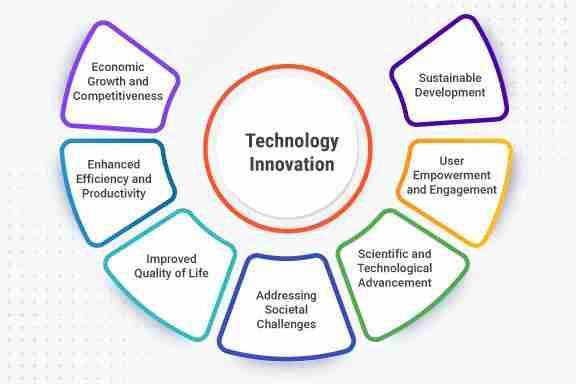
Innovative Technologies in Rice Milling: Enhancing Efficiency and Quality
In the quest for better rice production, innovation has taken center stage in rice milling technology. With the introduction of advanced machinery, milling processes have become significantly more efficient while ensuring that the quality of the rice is maintained. Modern rice mills now utilize automated systems and data analytics to optimize operations. Key features include:
- Optical Sorting: This technology employs cameras and sensors to detect and separate grains based on size, color, and quality.
- Engagement with IoT: Internet of Things (IoT) integration allows real-time monitoring, predictive maintenance, and improved energy management.
- Energy-efficient Machines: The latest machines consume less power, contributing to sustainable practices in rice milling.
Alongside these innovations, new techniques in milling have focused on preserving the nutritional quality of rice. The use of softening agents and modified atmospheric conditions during processing has shown to enhance the overall texture and flavor profile without compromising health benefits. Understanding the importance of quality, mills are increasingly adopting practices that include:
- Humidity Control: Utilizing advanced humidity control systems to ensure optimal moisture levels during milling.
- Quality Assurance Labs: Dedicated labs in milling plants to perform ongoing quality checks and certifications.
- Worker Safety Protocols: Implementing enhanced safety features to protect the workforce and ensure a smooth operational flow.
| Technology | Benefit |
|---|---|
| Optical Sorting | Improved grain quality |
| IoT Integration | Enhanced efficiency |
| Energy-efficient Machinery | Lower operational costs |
| Quality Assurance Labs | Consistent rice standards |
Sustainable Practices in Rice Milling: Balancing Productivity with Environmental Responsibility
In the quest for greater efficiency and productivity, rice milling plants are embracing a variety of sustainable practices that not only enhance output but also minimize their environmental footprint. Advanced milling technologies are being implemented, such as energy-efficient machinery and renewable energy sources, which significantly reduce greenhouse gas emissions. Additionally, waste by-products from the milling process, like husks and bran, are increasingly being repurposed as animal feed or for bioenergy, creating a closed-loop system that benefits both the industry and the environment.
Moreover, water conservation techniques are becoming essential in modern rice milling operations. Practices like rainwater harvesting and the use of water recycling systems help to minimize water waste, a crucial resource in rice production. The adoption of integrated pest management (IPM) strategies in milling plants further ensures that pest control measures are more environmentally friendly, reducing the need for harmful chemicals. By balancing productivity with these responsible practices, rice milling plants are setting a precedent for sustainability in agriculture.
Empowering Farmers: The Economic Impact of Modern Rice Milling Solutions
Modern rice milling solutions have revolutionized the agricultural landscape, providing farmers with enhanced processing capabilities that significantly boost their economic prospects. By investing in state-of-the-art milling technology, farmers are now able to transition from traditional methods to more efficient operations. This shift not only ensures higher quality rice but also maximizes yield retention and minimizes post-harvest losses. With modern machinery, farmers can achieve consistent grain quality and branding, elevating their products to premium markets where they can command better prices.
The integration of advanced milling solutions has led to a plethora of economic benefits, including but not limited to:
- Increased Profit Margins: High-efficiency mills reduce operating costs, leading to better profit margins.
- Job Creation: Establishing modern rice mill plants creates jobs in rural areas, contributing to local economies.
- Market Expansion: Improved milling techniques allow farmers to explore international markets, thus diversifying their income sources.
- Sustainability: Modern mills often incorporate waste reduction techniques, benefiting both the environment and farmer incomes.
| Benefit | Description |
|---|---|
| Higher Yield Quality | Minimized grain breakage leads to premium-quality produce. |
| Enhanced Profitability | Savings on operational costs translate into improved earnings. |
| Local Employment Opportunities | New jobs in milling and ancillary services boost the local economy. |
Wrapping Up
As we draw the curtain on our exploration of rice mill plants and their transformative influence on agriculture, it is clear that the journey from grain to table is a complex yet fascinating process. These facilities are not merely machines; they are pivotal hubs that connect farmers to consumers, enhancing food security and sustainable practices across the globe.
In contemplating the role of rice mills, we are reminded of the intricate dance between tradition and innovation, between the labor of hands in the field and the precision of technology. Each grain processed within these walls tells a story of dedication, resilience, and the shared goal of nourishing communities.
As we continue to advance in agricultural practices and embrace sustainable methods, rice mill plants stand at the forefront of this evolution, ensuring that the best of our harvests reach those who need them. In a world where food security is an ever-pressing concern, understanding and supporting the mechanisms behind grain transformation is more crucial than ever.
Let us, therefore, recognize the unsung heroes of agriculture—the rice mill plants—as we honor the journey of grains and the communities they sustain. The future of food lies in our hands, and together, we can ensure it is a future worth nurturing.




