
In the heart of many agricultural communities, a silent yet transformative process unfolds—a journey that elevates raw, unprocessed grains into the staples that nourish millions. Among these grains, rice stands out as a cornerstone of diets worldwide, providing sustenance and cultural significance across continents. However, the path from paddy to plate is not a simple one; it is a complex dance of technology, tradition, and meticulous care. Enter the rice milling unit, the unsung hero of this journey. These facilities play a critical role in refining and processing rice, enhancing its quality, safety, and palatability while maximizing its potential on the market. In this article, we will explore the essential functions of rice milling units, delving into how they transform raw grains into the nutrient-rich, delectable staple that has sustained civilizations for centuries. Join us as we uncover the intricate processes and innovations behind rice milling and their profound impact on global food supply chains.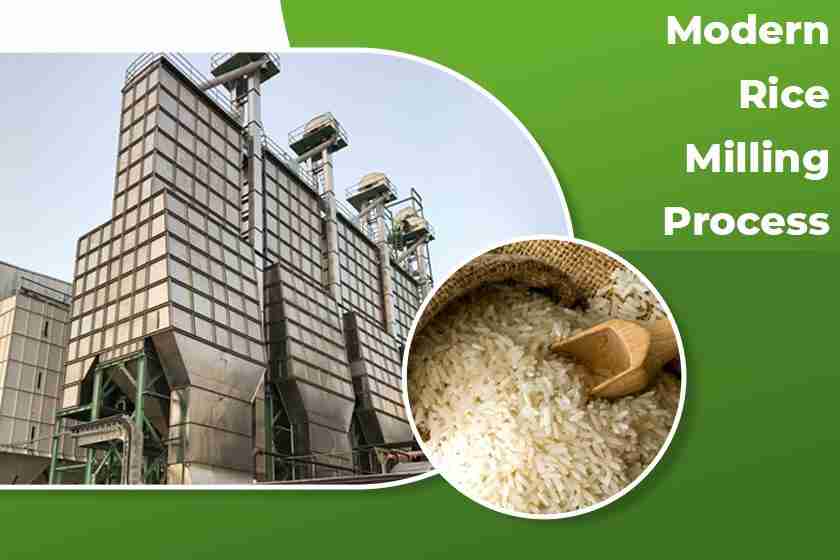
Understanding the Rice Milling Process and Its Impact on Quality
The rice milling process is a multifaceted operation that transforms rough rice into polished grains ready for consumption. This transformation involves several critical steps: hulling, milling, grading, and packaging. Each step plays a crucial role not only in the final appearance of the rice but also in its nutritional quality and storage life. Hulling removes the inedible outer husk, exposing the brown rice underneath, which still retains its bran layer, rich in nutrients. The subsequent milling process involves removing the bran, leading to white rice, enhancing its shelf life but potentially diminishing nutritional value. This creates a delicate balance between achieving the desired aesthetic appeal and maintaining the health benefits of the grain.
Quality assessment of the rice at each stage of milling is essential to ensure a superior product reaches consumers. The impact of milling on rice quality can be summarized through various criteria:
| Quality Aspect | Effect of Milling |
|---|---|
| Texture | Optimal milling encourages a fluffy and dry texture. |
| Nutritional Value | Excessive milling can strip away beneficial vitamins. |
| Flavor | Proper milling preserves the natural flavor of rice. |
| Appearance | Well-milled rice has a consistent, shiny look. |
By understanding each facet of the milling process, producers can optimize techniques to produce rice that is not only visually appealing but also rich in nutrition and flavor. This attention to detail ensures that consumers receive a versatile staple that can serve as the foundation for countless culinary creations.

Enhancing Nutritional Value Through Advanced Milling Techniques
Advanced milling techniques have revolutionized the way grains are processed, significantly enhancing their nutritional profiles. These methods facilitate the extraction of valuable components from rice, ensuring that essential nutrients such as proteins, fibers, and vitamins remain intact. By employing precision milling and controlled temperature processes, rice milling units effectively minimize nutrient loss, making the final product more healthful and sustainable. Additionally, the use of cutting-edge technology allows for the separation of bran and germ without compromising their nutritional integrity, providing consumers with options that cater to their health needs.
This refined approach not only contributes to the nutritional richness of rice but also caters to the growing demand for functional foods. The following benefits highlight the impact of advanced milling techniques on the overall quality of rice:
- Improved Digestibility: Enhanced milling processes help break down complex carbohydrates, making rice easier to digest.
- Higher Nutritional Content: Retaining bran layers can increase fiber, vitamins B and E, and essential fatty acids.
- Elimination of Contaminants: Sophisticated milling systems reduce the risk of contamination by removing impurities during processing.

Building Sustainable Rice Milling Units for Local Economies
Investing in sustainable rice milling units can serve as a powerful catalyst for local economies, marrying traditional practices with modern technology. By implementing eco-friendly milling processes, communities can reduce their carbon footprint while providing essential services. These units not only create jobs but also enhance the livelihood of farmers and millers. Key benefits of establishing these facilities include:
- Increased Efficiency: Leveraging advanced milling techniques leads to higher yield rates, maximizing the potential of harvested grains.
- Reduced Waste: Sustainable practices minimize byproduct waste, allowing for the creation of other products such as rice bran oil or animal feed.
- Community Empowerment: Local control over rice processing keeps profits within the community, leading to reinvestment in local services and infrastructure.
Moreover, a well-structured rice milling operation can provide vital data that aids in adjusting agricultural practices and market strategies. The integration of technology in monitoring and analyzing rice quality can foster an informed co-operative model among farmers. To illustrate the impact, here’s a brief comparison of conventional versus sustainable rice milling:
| Feature | Conventional Milling | Sustainable Milling |
|---|---|---|
| Energy Consumption | High | Low |
| Waste Generation | Significant | Minimal |
| Community Involvement | Limited | High |
Ultimately, fostering sustainable rice milling units not only bolsters local economies but also champions environmental stewardship. The progression of these initiatives indicates a promising approach to food security and socio-economic stability.
Future Innovations in Rice Milling: Harnessing Technology for Better Harvests
As we venture into a new era of agricultural advancements, the rice milling industry is on the brink of a technological revolution. Modern innovations are set to significantly enhance the efficiency of milling processes, ensuring higher quality rice while reducing waste. Smart sensors and IoT applications are now being integrated into milling systems, enabling real-time monitoring and adjustments to optimize performance. The incorporation of AI algorithms can help predict maintenance needs, reducing downtime and enhancing productivity. Furthermore, data analytics tools allow millers to gain deep insights into yield rates and milling grades, leading to more informed decision-making and improved profitability.
Moreover, the advent of sustainable technologies is fostering environmental responsibility among millers. Innovations such as solar-powered machines and biomass energy recovery systems are emerging, minimizing the carbon footprint of rice milling operations. Alongside this, the use of automated conveyor systems aids in seamless grain handling, dramatically decreasing labor costs and minimizing physical strain on workers. As the industry embraces these advancements, it’s clear that technology will not only transform rice milling practices but also contribute to food security in a rapidly changing world.
Future Outlook
the journey of grains from field to table is a remarkable transformation, one that hinges significantly on the efficiency and technology of rice milling units. These facilities not only facilitate the conversion of raw paddy into the staple we cherish, but they also play a pivotal role in ensuring that the nutritional and economic value of rice is maximized for both producers and consumers. As we continue to navigate the complexities of food production in a rapidly changing world, the vital functions of rice milling units cannot be overstated. Their advancements are essential in addressing global food security challenges, improving livelihoods, and enhancing the quality of life for countless communities. As we look to the future, investing in and innovating within this sector will be key to sustaining the vital bond between grains and our plates, paving the way for a healthier and more prosperous world.




