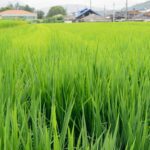
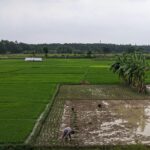
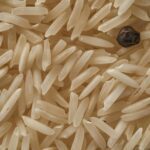
In the heart of agriculture, where the earthy aroma of freshly harvested grains meets innovative technology, lies the art of rice milling—an intricate process that transforms the humble rice paddy into the gleaming grains that grace our plates. Rice milling units stand as remarkable hubs of this transformation, where tradition and modernity meld seamlessly to unlock the grain’s potential. From the rhythmic hum of machinery to the gentle touch of craftsmanship, these units encapsulate a journey that begins in sun-drenched fields and culminates in the intricate ballet of separation, polishing, and packaging. By delving into the workings of rice milling units, we uncover not only the mechanical prowess behind this age-old practice but also the cultural significance and economic impact they hold. Join us as we explore the transformative power of rice milling, where every grain tells a story of heritage, innovation, and the quest for perfection.
Understanding the rice Milling Process and its Importance
The milling process is a crucial transformation phase that not only determines the quality of the rice but also impacts the sustainability of rice cultivation. This intricate process involves several stages, each designed to enhance the grain’s quality and make it suitable for consumption. The primary steps include:
- Pre-cleaning: Removal of impurities and foreign materials.
- Hulling: The separation of the husk from the brown rice.
- White rice milling: The removal of bran layers to yield polished rice.
- Grading: Sorting the rice based on size and quality.
Through these stages, rice is transformed from rough paddy into a polished staple that meets market standards. Each step holds significance, as it not only enhances flavor and nutritional value but also influences storage longevity and cooking qualities.
Moreover,understanding these processes leads to a greater thankfulness of the art behind rice milling units.They employ advanced technology to maximize efficiency and minimize waste, reflecting an innovation trend in agriculture. The environmental implications cannot be understated; adopting eco-kind milling techniques can result in less energy consumption and reduced carbon footprints. A clear illustration of this is presented in the table below, which compares customary and modern milling practices:
| Aspect | Traditional Milling | Modern Milling |
|---|---|---|
| Energy Consumption | high | Low |
| Output Efficiency | Moderate | High |
| By-product Utilization | Limited | Maximized |
Thus, the rice milling process stands as a vital link between farming and our dining tables, highlighting the continuous journey of transforming grains into nourishing food.
Innovative Technologies Enhancing Efficiency in Rice Milling
In the quest for higher efficiency and productivity, rice milling units are increasingly adopting a range of innovative technologies. Automated systems, such as advanced sensors and IoT devices, are becoming integral to rice processing facilities, enabling real-time monitoring and adjustments. This not only minimizes human error but also optimizes the milling process by ensuring that machines operate under ideal conditions. Other innovations include smart milling technologies, which utilize AI algorithms to enhance yield rates and reduce waste by analyzing crop quality and adjusting milling parameters accordingly.
Furthermore, energy-efficient machinery and clean technologies are blazing new trails in sustainable rice milling. For instance, the integration of solar energy solutions and biomass energy systems reduces the carbon footprint while lowering operational costs. Additionally, the implementation of water recycling systems not only conserves valuable resources but also streamlines the cleaning processes inherent in milling. The future is shining for rice milling units willing to embrace these cutting-edge technologies,paving the way for improved quality and economic viability in the grain processing sector.
best Practices for maintenance and Operation of Milling Units
Efficient operation and maintenance of milling units can significantly enhance the quality of the final rice product.Regular cleaning is essential to prevent contamination and ensure optimal performance. Establish a cleaning schedule that targets key components such as hoppers,sieves,and milling chambers. Additionally, lubrication of moving parts should be performed routinely to reduce wear and tear, prolonging the lifespan of the equipment. Keep an eye on the moisture content of grains before milling; maintaining appropriate levels helps in achieving better milling efficiency and reduces breakage during the process.
Monitoring operational parameters is equally crucial. Implementing performance metrics allows for the identification of inefficiencies and anomalies in real time. Some recommended metrics to track include:
- Throughput rate – the amount of grain processed per hour
- Breakage rate – percentage of grains broken during milling
- Energy consumption – kWh used per ton of rice milled
| parameter | Optimal Range | Action Required |
|---|---|---|
| Throughput rate | 1000-1500 kg/hr | Adjust feed rate or check for blockages |
| Breakage rate | Below 5% | Review milling settings or grain quality |
| Energy consumption | Below 50 kWh/ton | Optimize machine settings and maintenance schedule |
By continually assessing these parameters and implementing proactive maintenance,operators can ensure that milling units remain efficient and resilient,ultimately leading to superior rice quality.
Sustainability in Rice Milling: Balancing Productivity and Environmental Impact
As rice milling evolves, a critical focus emerges: the harmonious relationship between productivity and environmental stewardship. Modern rice milling units are leveraging innovative technologies that not only enhance efficiency but also minimize waste and energy consumption. By investing in energy-efficient machinery,rice mills can significantly reduce their carbon footprint while maintaining high output levels. Furthermore, the integration of renewable energy sources—such as solar panels—provides a sustainable option that empowers mills to lower operational costs while protecting the environment.
To achieve this delicate balance, it is essential for rice milling operations to adopt comprehensive practices that embrace sustainability at every level. This involves:
- Water management: implementing advanced water recycling systems to reduce freshwater consumption.
- Waste refining: Utilizing rice husk and bran as biofuel or organic fertilizer, converting by-products into valuable resources.
- Eco-friendly packaging: transitioning to biodegradable packaging solutions that lessen environmental impact post-consumption.
| Aspect | Traditional Method | Sustainable Approach |
|---|---|---|
| Energy Source | Fossil Fuels | Renewable Energy |
| Waste Management | Landfill | Recycling and Repurposing |
| water Usage | High | Recycled |
To Conclude
As we conclude our exploration of rice milling units, the journey through the intricate world of grain transformation reveals not just a technological process but an art form rooted in tradition and innovation. The rhythmic hum of machinery, the delicate balance of precision, and the dedication of those who operate these units come together to create more than just a staple food; they cultivate livelihoods, nurture communities, and preserve cultural heritage.
The rice milling process is a testament to the transformative power of technology that respects age-old practices while ushering in new efficiencies. From the meticulous selection of paddy to the final polished grain, each step is a dance between nature and machinery, a harmonious blend that celebrates the essence of rice and the people who cultivate it.
As we enjoy the fruits of this labor on our plates, let us appreciate the craftsmanship behind the scenes, recognizing that every grain tells a story. With continued innovation and a commitment to sustainability, the art of rice milling will not only evolve but thrive, ensuring that future generations savor the flavors of rice in all its forms.
In this light, the milling unit stands not just as a facility but as a beacon of progress and a bridge between the past and future of our food systems. So the next time you savor a bowl of rice, take a moment to appreciate the artistry and dedication that went into transforming those simple grains into the nourishing staples we celebrate daily.