
In the heart of agricultural landscapes, where vast fields of green sway under the sun’s gentle caress, an innovative wave is rising—one that promises to redefine the dynamics of grain processing. Enter the “Transforming Grains: The 2-Ton rice mill plant Initiative,” a project that embodies a harmonious blend of tradition and technology. As global demand for rice continues to surge, and as farmers seek to optimize their yields, this initiative stands as a beacon of progress. By harnessing the power of efficient milling practices, it aims to transform not just grains, but the livelihoods of countless communities intertwined with the cultivation of this staple crop. Join us as we delve into the intricacies of this ambitious endeavor, exploring its potential to revolutionize rice production and elevate economic resilience in agricultural sectors around the world.
Innovative Technology Driving Efficiency in Rice Processing
The recent advancements in rice processing technology are revolutionizing the industry, making operations more streamlined and efficient. Key innovations include the integration of automated systems and precision machinery, which significantly reduce labor costs and increase output quality. Some of the notable technologies being implemented are:
- Optical Sorting Machines: These devices use high-resolution cameras to identify and remove defective grains, ensuring only the best quality rice reaches consumers.
- Continuous Flow Drying Systems: These systems enable uniform drying of grains, minimizing losses and improving storage longevity.
- Advanced Milling Equipment: Modern rice mills are designed to achieve higher extraction rates while preserving the integrity of the grain.
Furthermore, the introduction of data analytics and IoT (Internet of Things) technologies empowers rice mill operators by providing real-time insights into the processing workflow. This connection allows for optimal adjustments to be made on-the-fly, enhancing both productivity and sustainability. A glimpse into the transformation may be seen in the following table, which illustrates the improvements in processing times and efficiency:
| Technology | Processing Time (hours) | Efficiency Increase (%) |
|---|---|---|
| Traditional Method | 8 | 0 |
| Automated System | 4 | 100 |
| IoT-Enabled Processing | 3 | 150 |
These developments not only enhance the operational capabilities of rice mills but also contribute to a more sustainable agricultural economy, emphasizing the need for continuous innovation within the sector.

Sustainable Practices for Enhanced Grain Quality
Implementing environmentally responsible techniques will significantly enhance the quality and sustainability of grain production. By focusing on soil health, water conservation, and resource-efficient practices, farmers can produce grains that are not only healthier for consumption but also advantageous for the ecosystem. Key strategies include:
- Crop Rotation: Alternating crops to improve soil fertility and reduce pest populations.
- Integrated Pest Management: Minimizing chemical use through biological control and monitoring pest thresholds.
- Precision Agriculture: Utilizing technology to optimize field-level management regarding crop farming.
Moreover, the adoption of innovative post-harvest techniques plays a crucial role in preserving grain quality while minimizing waste. Implementing energy-efficient milling processes not only reduces operational costs but also maintains higher nutritional value in the grains. A few prominent methods are:
- Solar Drying: Harnessing solar energy to reduce moisture content without compromising grain quality.
- Quality Maintenance: Implementing proper storage conditions to inhibit mold and insect damage.
- Waste Utilization: Converting by-products into livestock feed or organic fertilizers.
| Sustainable Practice | Benefit |
|---|---|
| Crop Rotation | Enhances soil fertility |
| Solar Drying | Maintains nutritional quality |
| Waste Utilization | Reduces environmental impact |
Economic Impact of the 2-Ton Rice Mill Initiative
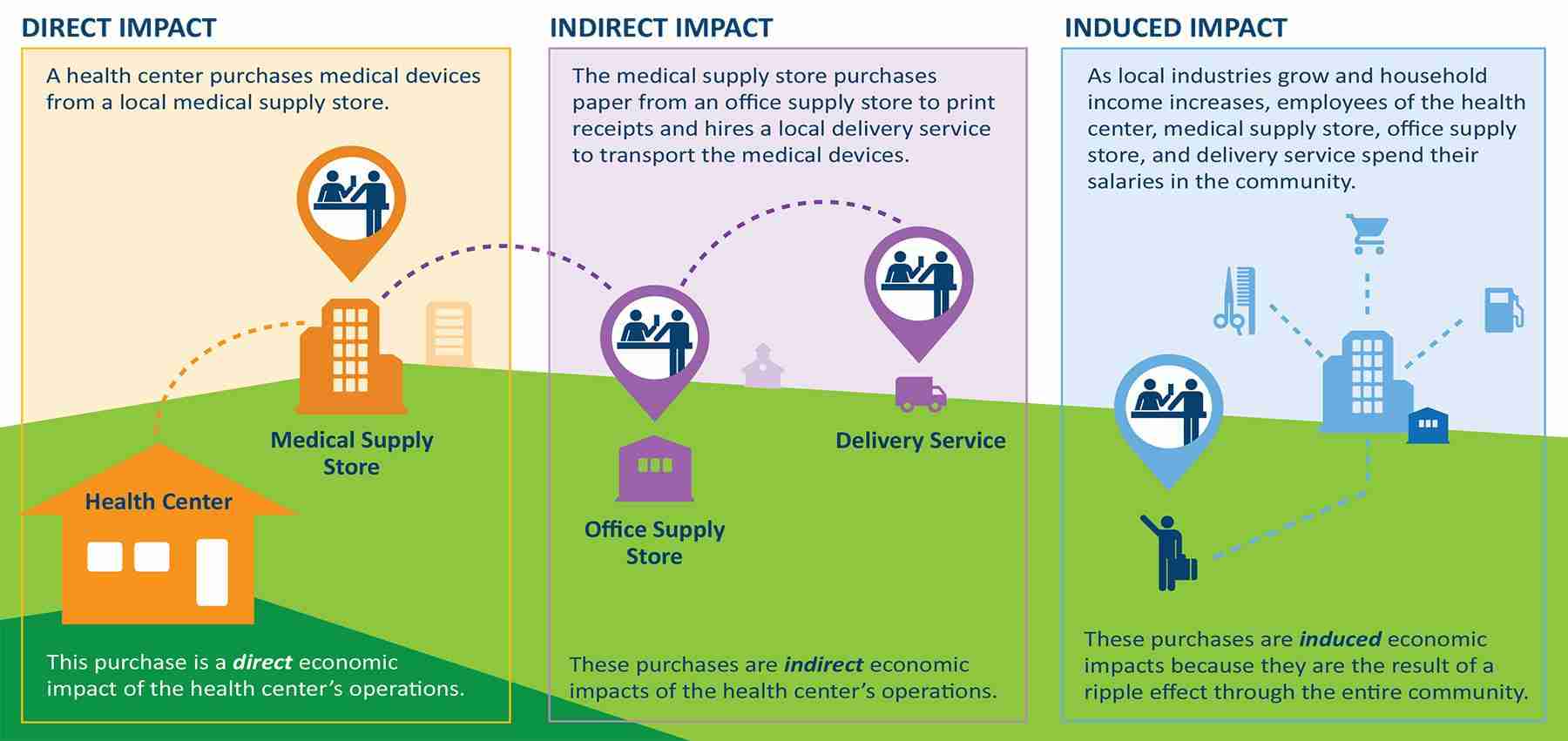
The implementation of the 2-ton rice mill initiative has far-reaching economic consequences that ripple through local communities and beyond. By boosting local production capacity, this venture ensures higher yield rates and increased income for farmers. The initiative not only provides agricultural support through access to modern milling technology but also facilitates targeted training programs to enhance farmers’ skills in rice production, storage, and processing practices. As a result, we can expect to see a marked improvement in food security and a reduction in the reliance on imported rice, fostering a self-sustaining agricultural economy.
Additionally, the establishment of such mills creates a multiplier effect within the local economy. This initiative leads to new job opportunities in mill operation, maintenance, and supply chain logistics, invigorating the labor market and attracting investments towards infrastructure and services. Local businesses, from transportation to grain marketing, also stand to benefit as they become integral to the agricultural value chain. In short, the 2-ton rice mill initiative sets into motion a series of economic advantages, contributing to overall prosperity and resilience in rural communities.
Future Prospects: Expanding the Reach of Small-Scale Milling Operations
The horizon looks promising for small-scale milling operations as they continue to gain attention for their potential to revitalize local economies and empower communities. By leveraging innovative technology and sustainable practices, these initiatives create opportunities tailored to the unique needs of each region. Key strategies for enhancing their reach include:
- Community Engagement: Involving local farmers and producers ensures that operations are responsive to their needs, fostering stronger relationships and ensuring smoother supply chains.
- Education and Training: Developing programs to educate local entrepreneurs and mill workers about the operational aspects and maintenance of milling machinery enhances efficiency and productivity.
- Access to Markets: Establishing partnerships with local retailers and online platforms can help small-scale mills gain visibility and reach broader consumer bases, ultimately driving sales.
Furthermore, the environmental impact of small-scale milling cannot be underestimated. These operations prioritize eco-friendly practices, from waste management to the utilization of renewable energy sources. By focusing on sustainability, they can bolster their reputation and attract consumers who prioritize responsible sourcing. Here’s a glimpse of the potential benefits:
| Benefits | Description |
|---|---|
| Job Creation | Local employment opportunities in milling and distribution. |
| Food Security | Increased local production of staple grains strengthens community resilience. |
| Reduced Waste | Utilization of byproducts for animal feed or organic fertilizers. |
The Conclusion
As we conclude our exploration of the 2-ton rice mill plant initiative, it’s clear that this endeavor transcends mere production metrics. It embodies a vision where technology meets tradition, and innovation paves the way for sustainable agriculture. By empowering local farmers and streamlining rice processing, the initiative not only enhances food security but also uplifts communities, fostering economic resilience in a rapidly changing world.
In an era where transformative solutions are paramount, the 2-ton rice mill plant stands as a beacon of progress. As we cultivate this movement, the seeds of potential are sown—nurtured by collaborative efforts and shared aspirations. The journey may have just begun, but the ripple effects promise to reshape lives and livelihoods, one grain at a time.
Let us keep our eyes on the horizon, where the fusion of modern techniques and traditional practices holds the promise of a brighter, greener future for generations to come.




