
In a world increasingly focused on sustainable agriculture and food security, the potential of local grain production is more pronounced than ever. The humble staple of rice, a beloved dietary mainstay for billions, holds the power to transform economies and uplift communities. Enter the ambitious venture of launching a 2-ton rice mill project—a vision that seeks not only to mechanize the process of rice milling but also to empower local farmers, create jobs, and enhance the quality of this essential crop. This article delves into the transformative journey of grain, exploring the technology, innovation, and community collaboration that underpin this initiative. From the challenges faced during implementation to the far-reaching impact on livelihoods and local markets, join us as we uncover the intricate tapestry woven by grains and the promise they hold for a sustainable future.
Assessing Market Demand and Crafting a Business Plan for Rice Mill Success
Understanding the economic landscape is crucial for any aspiring entrepreneur in the rice milling sector. Begin by conducting thorough research to gauge local and regional demand for milled rice. Identify key factors such as population density, income levels, and consumer preferences, which might influence the market. Networking with local farmers and distributors can also provide insights into existing supply chains and customer needs. By collating this information, you can develop a robust demand forecast that drives production decisions and helps shape inventory management strategies.
Once you’ve assessed the market demand, the next step is drafting a comprehensive business plan that outlines your strategic roadmap for success. Consider incorporating elements such as a marketing strategy, which focuses on branding and attracting your target audience. A solid financial plan should address initial capital requirements, operational costs, and revenue projections. To visualize your approach, consider using a table that highlights critical milestones and their expected timelines:
| Milestone | Target Date | Description |
|---|---|---|
| Market Research Completion | Month 1 | Finalize demand assessment and competitor analysis. |
| Site Selection | Month 2 | Choose optimal location based on accessibility and supplier proximity. |
| Machinery Procurement | Month 3 | Source and purchase essential milling equipment. |
| Launch Operations | Month 6 | Start processing and marketing milled rice to local markets. |
Innovative Technology and Machinery: Essentials for Optimal Processing Quality
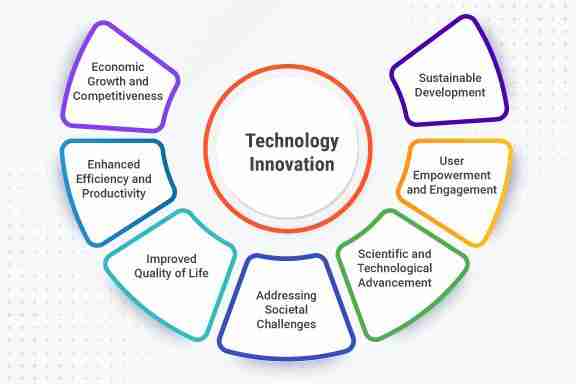
The cornerstone of any successful rice milling operation lies in its technological backbone. To ensure optimal processing quality, investing in state-of-the-art machinery is essential. High-capacity rice mills are designed not just to meet production targets but also to enhance the intrinsic qualities of the grains. Advanced features such as automated sorting systems, precision milling adjustments, and integrated drying technology play a critical role in maintaining grain integrity and maximizing yield. These innovations are engineered to reduce breakage and enhance overall product quality, ensuring that your rice stands out in a competitive market.
The configuration of a modern rice mill involves a harmonious blend of machinery that performs various crucial functions. Key components include:
- Pre-cleaners: Remove impurities and foreign materials.
- Huskers: Efficiently separate the husk from the grain.
- Whitener: Polishes the rice to enhance appearance and quality.
- Grading machines: Sort rice into off-grade and premium categories.
Embracing these innovations not only elevates processing quality but also significantly improves throughput efficiency. Below is a quick overview of essential machinery benefits:
| Machine Type | Benefits |
|---|---|
| Pre-cleaner | Reduces contamination, ensuring cleaner grains. |
| Husker | Enhances milling efficiency with less grain loss. |
| Whitener | Improves aesthetic and market value of rice. |
| Grader | Facilitates premium pricing through quality classification. |

Sustainability Practices in Rice Milling: Reducing Waste and Enhancing Efficiency
As the demand for sustainable practices grows within the agricultural sector, rice milling can significantly contribute to minimizing environmental impacts. Modern rice milling facilities are now employing state-of-the-art technologies to enhance efficiency while decreasing waste. A focus on using energy-efficient machinery ensures that production processes consume less power, reducing the carbon footprint of milling operations. Additionally, by investing in closed-loop systems, mills can recycle water used in processing, ensuring that every drop is utilized effectively, thereby conserving vital resources.
Moreover, the incorporation of by-product management strategies enhances the sustainability of rice mills. Instead of discarding husks and bran, innovative mills transform these by-products into valuable items such as animal feed or organic fertilizer, thus promoting a circular economy within the industry. Implementing regular training programs for employees encourages awareness and adherence to eco-friendly practices, fostering a culture of sustainability. The benefits of these strategies can be summarized as follows:
| Benefit | Description |
|---|---|
| Waste Reduction | Minimizes unused by-products through strategic recycling. |
| Resource Conservation | Optimizes water and energy usage in milling processes. |
| Enhanced Profitability | Generates additional revenue streams from by-products. |
| Environmental Compliance | Meets regulations through decreased emissions and waste. |
Navigating Regulatory Landscapes: Key Compliance Steps for Rice Mill Operations
When embarking on the journey of establishing a rice mill, it’s crucial to understand the complex web of regulatory requirements that govern operations. Compliance begins with familiarizing yourself with local, state, and national regulations. Essential steps include conducting a thorough regulatory assessment, which involves identifying the permits needed, from environmental clearances to health and safety licenses. Engaging with local agricultural agencies can provide critical insights and guidance to ensure your rice mill adheres to necessary agricultural standards.
Furthermore, it’s prudent to establish a compliance management plan that outlines procedures for maintaining operational standards. This plan should encompass training programs for employees on regulatory policies, regular audits to ensure adherence, and tracking systems to monitor compliance metrics. Below is a simple overview of key compliance steps:
| Compliance Step | Description |
|---|---|
| Research Regulations | Identify and understand applicable local, state, and federal laws. |
| Acquire Permits | Ensure all necessary permits are obtained before beginning operations. |
| Implement Training | Educate staff on compliance policies and best practices. |
| Conduct Audits | Regularly review operations to ensure adherence to regulations. |
In addition to the standard compliance measures, environmental sustainability should be a cornerstone of your operational strategy. Integrating eco-friendly practices, such as wastewater management and energy-efficient machinery, not only aligns with regulatory standards but also promotes a responsible business model. Engaging with sustainability certifications can further enhance your credibility, showcasing your commitment to environmentally sound operations. Establishing a robust compliance framework from the outset will pave the way for smooth operations and long-term success in the rice milling industry.
Key Takeaways
As we stand on the brink of this exciting venture, the launch of a 2-ton rice mill marks not just a project, but a pivotal shift in how we perceive and harness the potential of grains. This initiative represents a commitment to innovation, sustainability, and the empowerment of local communities. By transforming raw rice into polished grains, we are not only enhancing the value of agricultural produce but also fostering economic growth and food security.
The journey ahead is filled with promise, and the positive ripple effects of the rice mill project will undoubtedly extend far beyond its immediate operations. As we embrace this transformation, we invite stakeholders, farmers, and consumers alike to join us in cultivating a future where grains are valued and utilized to their fullest potential. Together, we can nurture an ecosystem that honors tradition while embracing modernity, ensuring that every grain contributes to a thriving, sustainable landscape. Thank you for embarking on this transformative journey with us.




