
In a world where the demand for high-quality food products steadily rises, the evolution of agricultural processing stands at the forefront of innovation. Imagine a bustling mill, where golden grains are transformed into nourishment, sustaining communities and fueling economies. This article unveils a groundbreaking initiative: the launch of a 2-ton rice mill plant project, designed to revolutionize grain processing. With the promise of enhanced efficiency and sustainability, this venture not only seeks to meet the growing appetite for rice but also to empower local farmers and strengthen agricultural networks. Join us as we explore the intricate journey of transforming grains into vital resources, and examine the multifaceted impacts of this ambitious project on local livelihoods and global food security.
Vision and Planning for a Sustainable Rice Mill Plant
Our approach centers around creating a rice mill plant that not only meets production demands but also emphasizes sustainability, efficiency, and community engagement. By integrating state-of-the-art technology with eco-friendly practices, we aim to significantly reduce our carbon footprint while ensuring optimum rice yield. Key strategies include:
- Utilization of Renewable Energy: Solar panels will be installed to power the facility, minimizing reliance on conventional energy sources.
- Water Conservation Techniques: Implement a closed-loop water system that recycles water used during milling, thus conserving precious resources.
- Waste Management Plans: Efficient handling and repurposing of byproducts like husks and bran to create biofuel and animal feed.
Effective planning is essential for aligning our vision with achievable objectives. To ensure the success of our 2-ton capacity rice mill, we will leverage a comprehensive timeline and key performance indicators that track progress and impact. Our milestones include:
| Milestone | Completion Date | Key Outcome |
|---|---|---|
| Site Selection and Acquisition | Q1 2024 | Establishing a strategic location |
| Installation of Machinery | Q2 2024 | Operational production facility |
| Compliance and Training | Q3 2024 | Ensuring safety and sustainability standards |
| Official Launch | Q4 2024 | Market introduction of sustainable rice products |

Essential Equipment and Technology for Efficient Grain Processing
To achieve optimal efficiency in a rice mill operation, it is crucial to incorporate a range of specialized equipment and technology tailored to the various stages of grain processing. Essential machinery includes rice huskers, which are designed to remove the outer husk from paddy rice, and rice polishers that enhance the aesthetic appeal and quality of the finished product. Other vital components are destoners for removing unwanted stones and debris, and gravity separators that help in sorting rice based on weight and density, ensuring quality consistency.
In addition to machinery, embracing modern technology streamlines the processing workflow. Implementing automated control systems allows for real-time monitoring and adjustments, which increases both output and energy efficiency. Moreover, integrating inventory management software can optimize supply chains and track stock levels with precision. Key tools and technologies include:
- Inline moisture meters for accurate moisture content measurement.
- Data analytics tools to assess production performance.
- CCTV systems for enhanced security and operational oversight.
- Eco-friendly energy solutions like solar panels for sustainable operation.
Market Analysis and Strategic Positioning in the Rice Industry
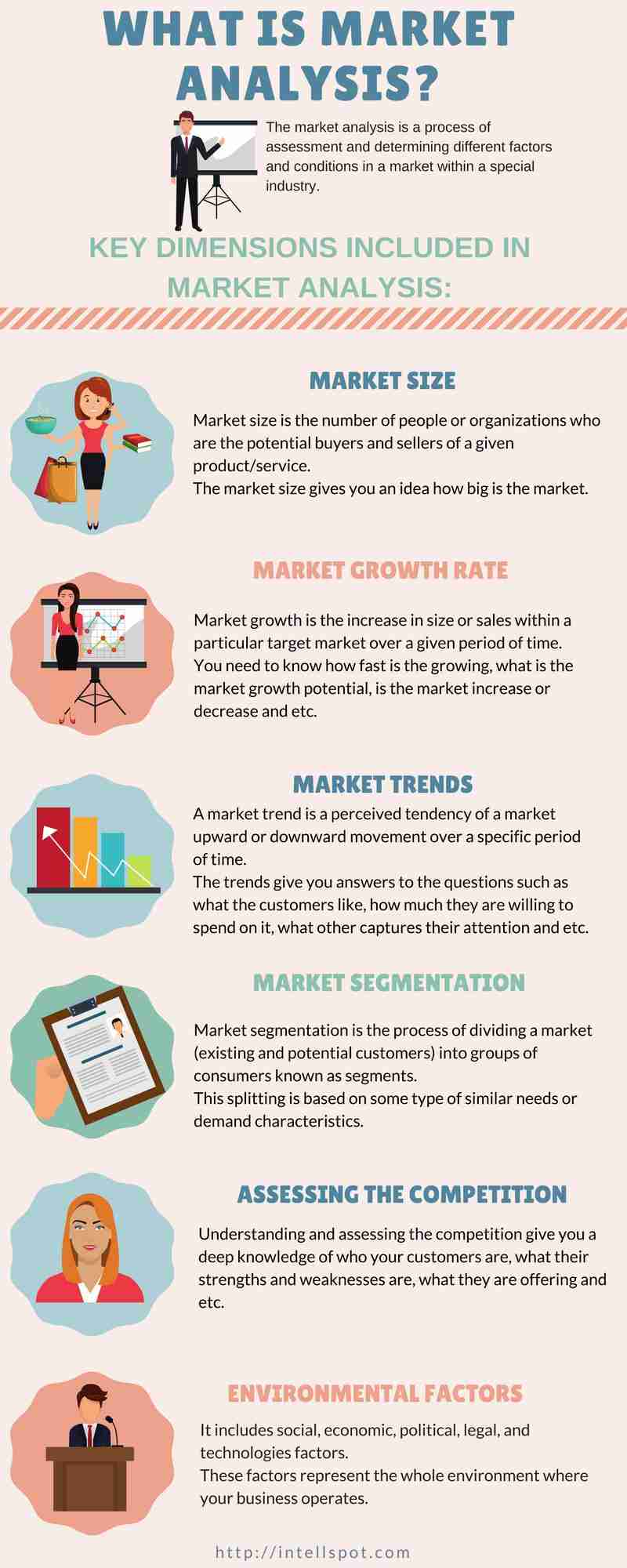
In navigating the ever-evolving landscape of the rice industry, a thorough market analysis reveals key insights that can shape strategic positioning. The demand for rice remains unwavering, as it serves as a staple food for over half of the global population. Understanding regional consumption patterns and identifying emerging markets are vital for capitalizing on opportunities. Factors such as rising health consciousness, preference for organic produce, and the persistent growth of the middle-class demographic play pivotal roles in driving rice consumption and transformation. Therefore, focusing on regions with increasing per capita consumption and establishing partnerships with local distributors can enhance market penetration and foster sustainable growth.
To successfully position our 2-ton rice mill plant, we must consider a multi-faceted strategy that leverages both productivity and quality. Differentiation through product offerings—such as fortified rice, organic options, and specialty varieties—can attract a broader consumer base. Furthermore, employing sustainable practices within the milling process not only meets the increasing demand for environmentally friendly products but also strengthens brand reputation. An analysis of competitors’ strengths and weaknesses reveals opportunities to innovate and gain market share. Below is a simplified comparison of key players in the rice milling industry:
| Company | Market Share | Specialty Products | Sustainable Practices |
|---|---|---|---|
| Rice Co. | 25% | Organic Rice | Composting Waste |
| Grain Masters | 20% | Fortified Rice | Water Recycling |
| Harvest Grain | 15% | Specialty Varieties | Solar Energy |
Best Practices for Operational Excellence and Community Engagement
To achieve operational excellence in the launch of the 2-ton rice mill plant, it is imperative to adopt a comprehensive set of best practices that span from initial planning to daily operations. This includes engaging in detailed process mapping to identify potential bottlenecks and inefficiencies. Regular training sessions for staff can also enhance productivity and ensure a smooth workflow. Key strategies include:
- Quality Control: Implement stringent quality checks at every production stage.
- Lean Manufacturing: Utilize lean principles to minimize waste and maximize value creation.
- Data Utilization: Regularly analyze production data to inform decision-making and improvement initiatives.
Community engagement is equally vital in transforming the rice mill into a hub of local sustainability. Building strong relationships with local farmers can lead to improved sourcing and fresh products. Offering educational workshops on sustainable farming practices not only enriches the community but also enhances the quality of raw materials. A structured engagement plan can facilitate this collaboration effectively. Consider developing a simple table to track the outreach efforts:
| Engagement Activity | Description | Date |
|---|---|---|
| Workshop on Sustainable Practices | Educating farmers on eco-friendly farming methods. | March 15, 2024 |
| Community Feedback Sessions | Gathering input from local stakeholders. | April 10, 2024 |
| Partnership with Local Schools | Engaging students in agriculture education. | May 5, 2024 |
By embedding these best practices into both operational and community frameworks, the rice mill project not only aims for productivity excellence but also fosters a supportive local ecosystem that benefits all stakeholders involved.
Wrapping Up
As we turn the final page on the journey of launching our 2-ton rice mill plant project, we find ourselves standing at the intersection of tradition and innovation. The grains that have sustained generations are now poised for a metamorphosis that not only promises to enhance the quality of rice processing but also elevates the livelihoods of our community. With each milling cycle, we embrace a future rich with possibility, where sustainable practices and cutting-edge technology converge to create a thriving agricultural ecosystem.
This project is more than just a facility; it is a testament to our commitment to quality, efficiency, and shared prosperity. As we prepare to open the doors to our state-of-the-art mill, we invite you to envision the impact of transforming grains — not just on our local economy, but on the very fabric of our society. Let the grains we nurture today sow the seeds of success for tomorrow, as we embark on this new chapter in the world of rice production. Together, let’s cultivate a future where every grain tells a story of progress, resilience, and hope.




