Transforming Grains: Inside the fully Automatic rice mill plant
In the heart of agricultural innovation, where tradition meets technology, lies the fully automatic rice mill plant—a marvel of engineering that promises to redefine rice production. This elegant facility not only honors the time-honored practices of grain processing but also injects a modern twist that enhances efficiency,quality,and sustainability.With the world’s population on the rise and the demand for staple foods intensifying, the quest for improved agricultural practices has never been more critical.Join us as we embark on a journey through the inner workings of this state-of-the-art rice mill, exploring how automation transforms raw grains into the polished products that nourish millions globally. From precision milling to automated packaging,discover the intricate ballet of machinery and innovation that makes it all possible,while setting the stage for the future of food production.
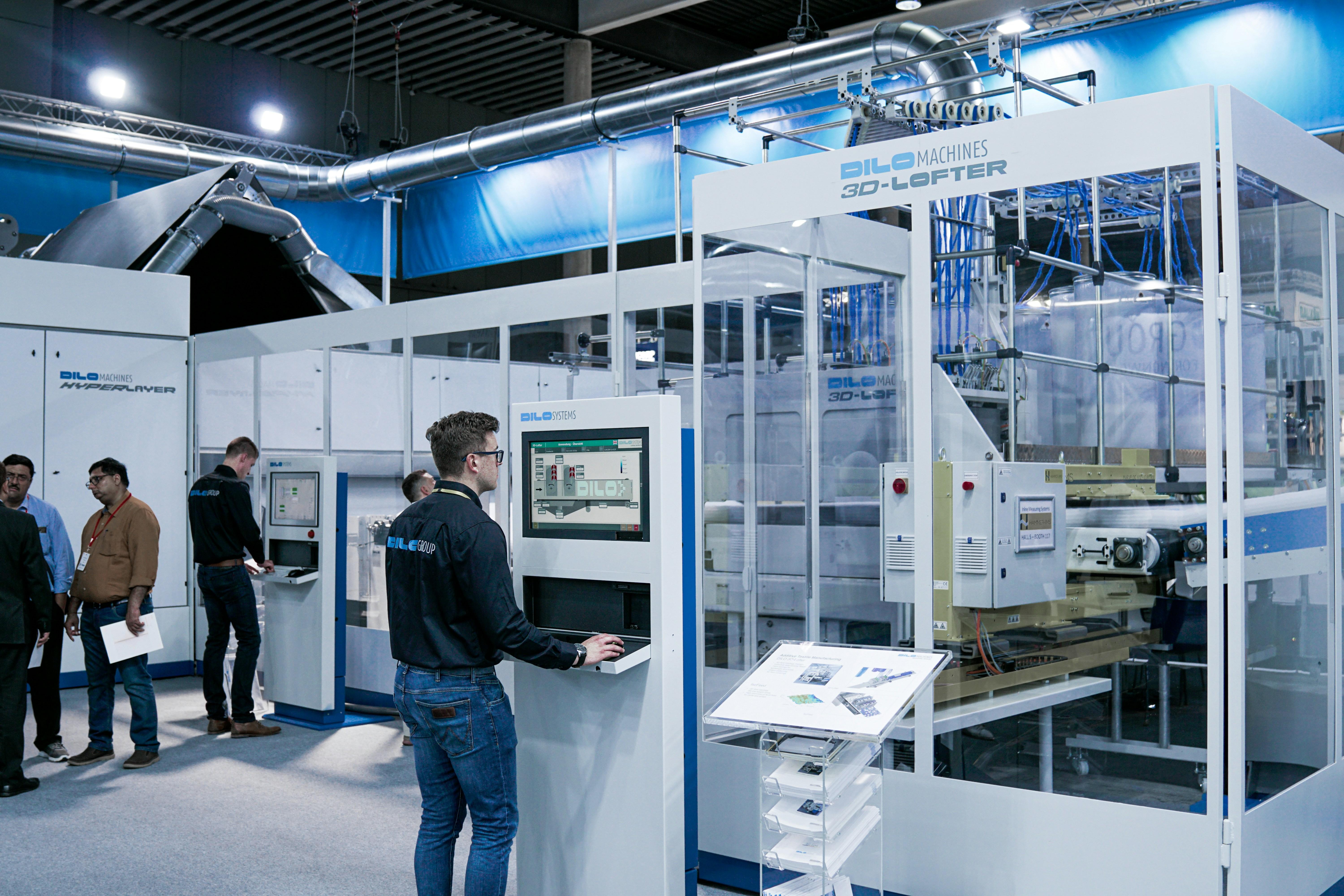
Exploring the Technological Innovations in Fully Automatic Rice milling
The evolution of rice milling technology has seen remarkable strides, particularly with the advent of fully automated systems. These innovations not only streamline the milling process but also enhance productivity and minimize waste. At the heart of a fully automatic rice mill plant is a sophisticated integration of machinery that performs multiple tasks together, ensuring on-time processing and consistent quality. The key components include:
- Automated Conveyors: These systems transport rice through different stages, reducing manual handling.
- Cleaning Machines: Advanced cleaning equipment employs air suction and vibrating screens to rid the grains of impurities.
- Dehusking Units: Utilizing rubber roll technology, modern dehusking machines effectively separate the husk without damaging the rice.
- Polishing Units: These machines enhance the aesthetic appeal of rice by removing excess bran layers, ensuring a shiny finish.
The integration of IoT (Internet of Things) has further revolutionized the management of rice plants. Real-time data analytics allow for monitoring and adjustments to be made on the fly, ensuring optimal performance and reduced downtime. Additionally, energy-efficient practices are implemented to minimize environmental impact, making these plants more sustainable. A comparative table illustrating typical features of automated vs. traditional rice milling systems highlights these advancements:
| Feature | Fully Automatic | Traditional |
|---|---|---|
| Processing Speed | High | Low |
| Labor Requirement | Minimal | High |
| Quality Control | Consistent | Variable |
| Energy Efficiency | Optimized | Lower |

Streamlining Production: The Impact of automation on Efficiency
Automation has emerged as a powerful catalyst in optimizing production processes within rice milling plants. By integrating high-tech machinery and software, mills can significantly reduce human error, lower operational costs, and ensure consistency in product quality. With a fully automated rice mill, the workflow is meticulously synchronized, resulting in several advantages, including:
- Enhanced Processing Speed: Automation accelerates the milling process, allowing for higher throughput and meeting growing demand swiftly.
- improved Quality Control: Automated systems employ advanced monitoring tools that help maintain the desired specifications, leading to superior grain quality.
- Waste Reduction: Automation minimizes the loss of rice during milling, optimizing yield rates and contributing to sustainability efforts.
The implementation of automation is not just about speed; it fundamentally transforms the operational dynamics of a rice mill. With real-time data analytics and predictive maintenance schedules, plant managers can make informed decisions that positively affect productivity and cost management. as an example, consider the following productivity metrics in a traditional versus automated rice mill:
| Metrics | Traditional Mill | Automated Mill |
|---|---|---|
| Processing Time (hours) | 10 | 4 |
| Quality Variation (%) | 15 | 5 |
| waste (%) | 10 | 2 |
This streamlined approach revolutionizes rice milling, making it an essential strategy for anyone looking to thrive in the competitive agricultural landscape. By harnessing automation’s potential, mills not only improve their bottom line but also play a pivotal role in ensuring food security and sustainability in the long run.
Quality Control Measures in Modern Rice Milling Processes
In a fully automatic rice mill plant, the meaning of quality control measures is paramount in ensuring the production of high-grade rice. Advanced technologies are employed to maintain consistency and excellence throughout the milling process. These include:
- Automated Sorting Systems: cutting-edge optical sorting technologies identify and segregate defective grains before they reach the milling stage.
- Moisture Content Monitoring: Real-time sensors continually assess grain moisture levels, crucial for achieving ideal milling outcomes.
- Cleaning and Pre-Milling Inspection: Automated cleaning machinery removes impurities, ensuring only the cleanest grains undergo processing.
- Process Control Systems: Integrated monitoring systems oversee various milling parameters, ensuring optimal settings for maximum quality.
To better illustrate the impact of these quality control measures, the following table summarizes the main benefits associated with each technique:
| Quality Control Measure | Benefits |
|---|---|
| Automated Sorting Systems | Enhance product purity and marketability |
| Moisture Content Monitoring | Prevents spoilage and maintains grain integrity |
| Cleaning and Pre-Milling Inspection | Safeguards against contamination and ensures uniformity |
| Process Control Systems | Optimizes efficiency and reduces waste |
Utilizing these sophisticated quality control measures enables rice mills to assure consumers of pure, tasty grains while maximizing operational efficiency. This commitment to excellence is what sets apart modern rice milling practices from traditional methods, transforming the industry as a whole.
Sustainable Practices for Eco-Friendly Rice Processing
In the quest for eco-friendliness, modern rice processing facilities are embracing an array of sustainable practices that harmonize productivity with environmental preservation. Firstly, the implementation of energy-efficient machinery plays a pivotal role. These advanced machines utilize renewable energy sources, such as solar and biomass, significantly reducing the carbon footprint associated with traditional rice milling operations. Moreover, waste recycling techniques are slashing the volume of byproducts that end up in landfills. By repurposing husks and bran for animal feed or organic fertilizers, mills are transforming what was once considered waste into valuable resources, thereby creating a closed-loop system that mirrors nature’s efficiency.
Water conservation remains a cornerstone of sustainable rice processing, as optimizing water usage not only protects this vital resource but also enhances the quality of the final product. Many facilities now utilize water-efficient processing techniques involving recycled water systems that reduce overall consumption. Additionally, the adoption of eco-friendly packaging solutions, such as biodegradable and recyclable materials, contributes to a more sustainable supply chain. This synergistic approach not only minimizes environmental impact but also resonates with the growing consumer demand for products that embody responsibility and sustainability. Here’s a brief comparison of sustainable and traditional practices in rice processing:
| Aspect | Sustainable Practices | Traditional Practices |
|---|---|---|
| Energy Usage | Renewable energy sources | Fossil fuels |
| Waste Management | Recycling byproducts | Disposal in landfills |
| Water Usage | Water-efficient systems | excessive consumption |
| Packaging | Biodegradable materials | Plastic packaging |
Final Thoughts
As we conclude our journey through the intricate workings of a fully automatic rice mill plant, it’s clear that this transformative process is more than a mere industrial operation. It reflects a synergy of innovation and tradition,where each grain is meticulously processed to meet the demands of modern consumers while honoring its agricultural roots. the automation that drives these facilities not only enhances efficiency but also ensures consistency and quality, vital in a world where food security and sustainability are increasingly critical.
In witnessing the evolution of grain processing, we gain a deeper appreciation for the technology that supports our daily nourishment. From the paddy fields to the polished grains on our tables, the story of rice milling encapsulates a broader narrative of advancement and adaptability. As the industry continues to innovate and embrace future challenges, one thing remains certain: the humble grain will always be at the heart of our meals and cultures. With the insights gained from this exploration, we can celebrate the roles these automated plants play in our global food systems, ensuring that the grains that sustain us are transformed with care, precision, and respect.