
Transforming Grain to Good: The 2 Ton rice mill plant Project
In the heart of rural landscapes, where golden fields sway beneath the sun’s warm embrace, the journey of grain begins. This journey, however, is not simply a passage from seed to plate; it’s a transformation steeped in tradition, innovation, and community. The “2 Ton rice mill plant Project” emerges as a beacon of progress, promising to elevate the process of rice milling and enhance the livelihood of local farmers. By harnessing cutting-edge technology in a small-scale setting, this project seeks not only to optimize grain processing but also to amplify the impact of rice—a staple that nourishes millions. This article delves into the intricacies of the project, exploring how it aims to convert raw grain into a vital resource that enriches both communities and economies alike. Join us as we unravel the layers of this ambitious initiative and its potential to sow seeds of prosperity.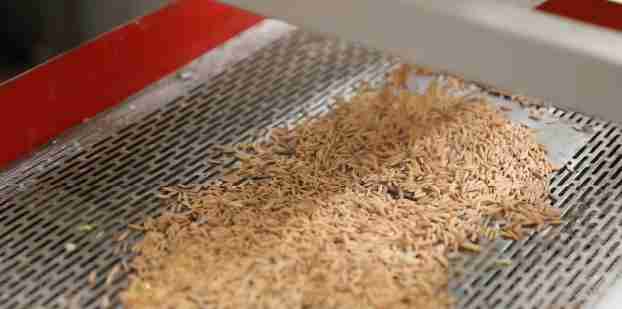
Innovative Approaches to Rice Milling Efficiency
Efficiency in rice milling is increasingly becoming paramount as it directly influences productivity and profitability. One of the key innovations in this field is the integration of automated systems that streamline the milling process. These advancements allow for real-time monitoring and control, reducing waste and enhancing overall output. Notable features that support this efficiency include:
- Automated Sorting: Utilizing optical sensors to separate quality grains from defects.
- Energy-Efficient Machinery: Investment in technologies that lower energy consumption during operation.
- Data Analytics: Implementing data collection for predictive maintenance, optimizing equipment performance.
Moreover, the use of eco-friendly techniques such as water-efficient milling processes has gained traction. By adopting such methods, the industry not only meets current demands for environmental responsibility but also saves on operational costs. The incorporation of renewable energy sources, such as solar power, into the milling process exemplifies this trend. A brief overview of these practices includes:
| Practice | Description | Benefits |
|---|---|---|
| Solar-Powered Mills | Mills powered by solar panels to decrease energy dependence. | Lower energy costs and reduced carbon footprint. |
| Water Conservation Techniques | Systems designed to minimize water use during milling. | Less water waste and compliance with environmental regulations. |

Sustainable Practices in Grain Processing
In the quest for eco-friendliness, integrating sustainable methods into grain processing holds immense potential. The 2 Ton Rice Mill Plant Project stands as a testament to this principle, focusing on minimizing waste and maximizing efficiency throughout the milling process. By utilizing advanced technologies, the project aims to reduce water consumption and energy use significantly. Key aspects include:
- Energy-efficient machinery: Implementing machines that consume less energy while maintaining high output rates.
- Water recycling systems: Capturing and reusing water in the milling process to lower overall usage.
- Eco-friendly by-products: Transforming bran and husks into value-added products, such as animal feed or biofuel.
Moreover, the project emphasizes community engagement and education on sustainable practices. Local farmers are encouraged to adopt environmentally-friendly farming techniques to ensure a continuous supply of high-quality grains. The initiative also includes:
| Community Engagement Activities | Description |
|---|---|
| Workshops | Training sessions on organic farming and crop rotation to enhance soil health. |
| Partnerships | Collaborating with local NGOs to spread awareness of sustainable practices. |
By fostering a culture of sustainability, the rice mill plant not only aims to enhance production but also to create a responsible cycle of grain processing that benefits both the environment and the local economy.
Economic Impact of a 2 Ton Rice Mill Plant
The establishment of a 2 Ton rice mill plant has profound implications for local economies, particularly in agricultural communities. By converting raw paddy into finished rice, this project contributes significantly to enhancing local productivity and profitability. With the ability to process a substantial amount of rice daily, the plant creates numerous employment opportunities, which can lead to a better standard of living for residents. Additionally, the mill stimulates growth by fostering stronger value chains, allowing local farmers to access markets and ensuring higher income from their produce. As businesses benefit from the enhanced supply of processed rice, entire communities reap the rewards as well.
Furthermore, the economic impact extends to various sectors, promoting sustainable practices and encouraging agricultural innovation. The mill serves as a hub for training and development, benefiting farmers with knowledge on better cultivation techniques and post-harvest management. This not only increases the quality of the rice produced but also helps in reducing waste and losses in the supply chain. To illustrate the potential benefits, consider the following table showcasing key economic outcomes of the mill project:
| Economic Indicator | Projected Impact |
|---|---|
| Jobs Created | 20-30 Direct Jobs |
| Increased Farmer Income | 15-25% Increase |
| Reduction in Post-Harvest Loss | Up to 30% |
| Annual Output (Processed Rice) | Approximately 400 Tons |
Community Engagement and Support Strategies
To ensure the success of the 2 Ton rice mill plant Project, fostering strong community ties is imperative. Engaging local stakeholders not only builds trust but also creates a shared sense of ownership. Strategies to achieve this include:
- Workshops and Training Sessions: Organizing regular workshops to educate the community about rice milling techniques and the benefits of modern agricultural practices.
- Feedback Mechanisms: Establishing channels where community members can voice their opinions and suggestions regarding the project’s operations.
- Partnerships: Collaborating with local agricultural groups and NGOs to amplify outreach and fundraising efforts.
Additionally, ongoing support mechanisms will be vital in empowering the community post-implementation. This can be achieved by:
- Microfinancing Options: Providing small loans to local farmers to help them invest in quality seeds and fertilizers, boosting overall production.
- Market Access Programs: Creating platforms or cooperatives that assist farmers in getting their produce to market, ensuring better income from their harvests.
- Health and Nutrition Initiatives: Offering workshops on nutritional benefits derived from rice consumption, promoting both well-being and community knowledge.
In Summary
the “Transforming Grain to Good: The 2 Ton rice mill plant Project” stands as a beacon of innovation and sustainability in the agricultural sector. By harnessing advanced milling technology and optimizing local resources, this initiative not only enhances the efficiency of rice processing but also empowers communities by providing access to quality grains. As we watch this project unfold, it serves as a reminder of the potential that lies in the fusion of tradition and modernity. The journey from field to plate is intricate and vital, and with every turn of the millstone, the promise of nourishment and economic development becomes a reality. Let us look forward to the ripple effects of this transformation—bridging gaps, enriching lives, and ultimately, turning grain into much more than just good; a foundation for a brighter, sustainable future.




