
Transforming Grain to Gold: The Journey of Rice Mill Plants
In the heart of fertile fields, where emerald blades sway gently in the breeze, a remarkable journey begins—one that transforms humble grains into golden grains of potential. Rice, a staple food for billions, holds more significance than mere sustenance; it embodies the labor, tradition, and innovation of countless cultures. At the center of this metamorphosis lies the rice mill plant, a bustling hub of activity where technology and tradition intertwine to refine the raw bounty of the land. This article explores the intricacies of rice mill operations, unveiling the processes that elevate basic grains into market-ready products, and spotlighting the transformative role these facilities play in agricultural economies worldwide. Join us as we delve into the fascinating world of rice milling, where every grain tells a story of potential, progress, and prosperity.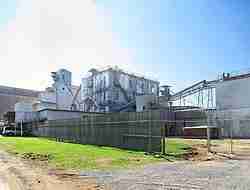
The Evolution of Rice Mill Technology and Its Impact on Efficiency
The journey of rice milling technology has undergone a remarkable transformation from its humble beginnings to the sophisticated systems we see today. Initially, traditional methods relied on manual labor and rudimentary tools, which were slow and often inefficient. With the advent of mechanization in the 19th century, milling processes began to improve significantly. The introduction of steam-powered machinery allowed for greater throughput and consistency in grain processing. As technology continued to evolve, innovations such as automated milling systems, paddy separators, and color sorters emerged to streamline operations and enhance productivity. This shift not only increased the efficiency of rice mills but also improved the quality of output, ensuring that every grain met industry standards.
Modern rice milling plants are characterized by their integration of cutting-edge technologies and smart systems that optimize every aspect of production. Today, mills utilize computer-controlled equipment that monitors and adjusts processes in real time, minimizing waste and ensuring optimal resource use. These advancements have resulted in significant improvements across several key areas:
- Energy Efficiency: Modern mills consume less energy per ton of rice processed.
- Higher Output: The latest machinery can process larger volumes without compromising quality.
- Improved Labor Conditions: Automation reduces the manual labor required, enhancing worker safety.
- Waste Minimization: Advanced systems maximize grain recovery, reducing overall waste.
The impact of these advancements on the rice milling industry is profound. Below is a simplified breakdown of the evolution of key technologies in milling.
| Year | Technology | Impact |
|---|---|---|
| 1800s | Steam-Powered Mills | Increased speed and capacity |
| 1950s | Electric Milling Machinery | Enhanced efficiency and reliability |
| 2000s | Automated Control Systems | Reduced human error and waste |

Harnessing Modern Techniques for Sustainable Rice Processing
In the quest for sustainable rice processing, innovators are turning to cutting-edge technologies that not only enhance efficiency but also minimize environmental impact. These modern techniques leverage automation and data analytics to streamline operations, ensuring that every step of the rice milling process is optimized. Key implementations include:
- Energy-efficient machinery: Utilizing advanced milling equipment that consumes less power while maintaining high output quality.
- Water reclamation systems: Designing rice processing plants with systems in place to recycle and reuse water, thereby conserving valuable resources.
- Biowaste management: Employing bioenergy facilities to convert rice husks and straw into renewable energy, reducing waste.
Furthermore, integrating real-time tracking and machine learning algorithms allows rice mill plants to adaptively manage production based on demand forecasts. This not only leads to reduced waste but also promotes a more responsive supply chain. Several rice mill plants are already witnessing a shift in operational efficiency through these innovative practices, as evidenced in the following table:
| Technique | Benefits | Impact on Sustainability |
|---|---|---|
| Automation | Higher output, reduced labor costs | Less energy and resource consumption |
| Water Recycling | Cost savings in water use | Conservation of an essential resource |
| Bioenergy Production | Additional revenue streams | Minimized waste footprint |
Maximizing Profitability Through Strategic Market Positioning
Strategic positioning is akin to laying down the foundation upon which a rice mill plant can build its success. By identifying a niche market, plant owners can customize their offerings to meet specific consumer preferences, thus increasing demand. Understanding local culinary trends and consumer insights is essential in this respect. This can be achieved by:
- Researching regional rice consumption patterns to tailor production.
- Utilizing value-added processing techniques that appeal to health-conscious customers.
- Partnering with local farmers to ensure a steady supply of high-quality raw materials.
Moreover, a keen awareness of market competition enables rice mill plants to adapt pricing strategies effectively. By analyzing competitors’ strengths and weaknesses, operations can be optimized to highlight unique selling propositions. Implementing promotional campaigns targeted at specific market segments can drive brand loyalty and expand market reach. Consider the following table for key competitive insights:
| Competitor | Strength | Weakness |
|---|---|---|
| Brand A | Strong distribution network | Higher pricing |
| Brand B | Innovative packaging | Limited variety |
| Brand C | Local sourcing | Underutilized digital presence |
Investing in Future Innovations: The Next Steps for Rice Mill Plants
As we look ahead, the evolution of rice mill plants hinges upon the integration of advanced technologies and sustainable practices. Embracing innovations such as artificial intelligence and automation can streamline processes, ensuring that each grain of rice is processed with maximum efficiency. Furthermore, the incorporation of IoT (Internet of Things) devices allows for real-time monitoring and predictive maintenance, drastically minimizing downtime. Additionally, the adoption of eco-friendly practices—such as solar power for energy needs and waste recycling methods—not only reduces the carbon footprint but also enhances the plant’s overall profitability. The future lies in marrying innovation with sustainability to elevate traditional practices into forward-thinking enterprises.
In preparation for these advancements, investment in training and development for staff is crucial. By fostering a culture of continuous learning, mill operators can better understand and manage the complexities of modern equipment and software. Moreover, collaboration with research institutions and agricultural experts can lead to breakthroughs in crop yield improvements and pest management strategies. To encapsulate these steps, consider the following table showcasing potential investment areas and their projected benefits:
| Investment Area | Benefits |
|---|---|
| Automation Technology | Increased efficiency and reduced labor costs |
| Sustainable Practices | Lower environmental impact and compliance with regulations |
| Employee Training | Enhanced skill sets and increased job satisfaction |
| R&D Collaborations | Access to cutting-edge agricultural technologies |
Closing Remarks
As we draw the curtains on our exploration of rice mill plants and their pivotal role in transforming humble grains into the golden staples of our kitchens, it becomes clear that this journey is far more than a mere industrial process. It is a symphony of tradition and innovation, a bridge connecting agrarian roots to modern culinary practices. From the swaying fields of lush paddy to the intricate machinery that grinds and polishes each grain, the narrative of rice mills encapsulates the resilience of farmers, the dedication of mill operators, and the relentless pursuit of excellence in food production.
In a world constantly evolving, these plants stand as testaments to sustainability, efficiency, and the art of milling. As we savor each mouthful of rice, let us remember the remarkable journey it undertook to reach our plates—an odyssey marked by skilled hands, technological advancements, and a deep-rooted respect for the agricultural landscape.
Ultimately, the transformation of grain to gold is not just an economic venture; it is a celebration of culture, nourishment, and the shared experiences that come with gathering around the table. As we continue to value and invest in this fundamental food source, we pay homage to the intricate processes that turn nature’s bounty into the lifeblood of communities around the globe. So the next time you enjoy a fragrant bowl of rice, take a moment to appreciate the journey it has made—a journey that encapsulates the very essence of our interconnected world.




