
In an era where food security and sustainable agricultural practices are more critical than ever, the spotlight is shining on innovative solutions that promise to reshape the landscape of farming. Among these initiatives, the establishment of a 2-ton rice mill plant emerges as a beacon of hope for local farmers and communities alike. This initiative not only aims to enhance the efficiency of rice production but also seeks to empower farmers by providing them with the tools and facilities needed to maximize their yields. As we delve into the transformative potential of this project, we will explore its implications for agricultural productivity, economic stability, and the future of rice cultivation in a rapidly changing world. Join us on this journey as we uncover the intricacies of a project poised to revolutionize the agriculture sector, one grain at a time.
Innovative Technology in Rice Milling Process
The rice milling process has witnessed a remarkable transformation with the introduction of cutting-edge technology, making it more efficient and sustainable than ever before. Advanced machinery now enables higher yield rates, reduced processing time, and superior quality in the final product. Key advancements include:
- Automated Systems: Integration of automation for precise monitoring and control at each stage of milling.
- High-Efficiency Equipment: Use of energy-efficient machines that reduce power consumption and lower operational costs.
- Digital Tracking: Implementation of IoT devices for real-time data collection, ensuring better decision-making.
- Eco-Friendly Practices: Adoption of waste management systems that recycle byproducts for additional revenue streams.
Furthermore, research and development have led to the creation of multifunctional milling units that not only husk and mill rice but also fortify it with essential nutrients. This capability caters to the growing demand for nutritious food sources in developing regions, ensuring food security. The following table highlights some of the benefits offered by modern rice milling technologies:
| Feature | Traditional Milling | Innovative Milling |
|---|---|---|
| Processing Time | 6-8 Hours | 2-4 Hours |
| Energy Consumption | High | Reduced by 30% |
| Yield Rate | 60-65% | 70-75% |
| Nutritional Fortification | No | Yes |
Sustainable Practices and Environmental Impact
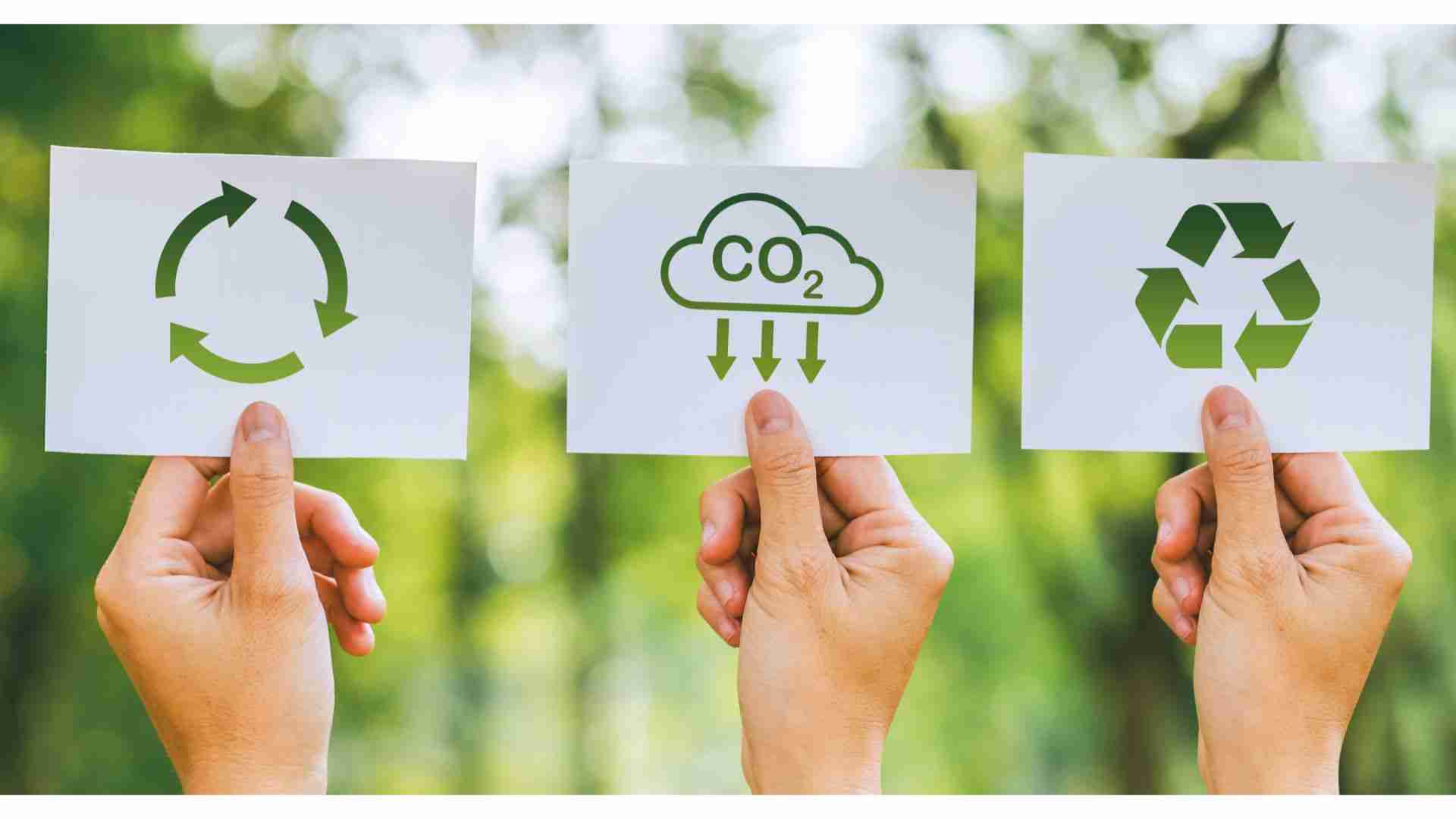
The implementation of a 2-ton rice mill plant is a step towards fostering sustainable agricultural practices that actively mitigate environmental concerns. By utilizing state-of-the-art, energy-efficient technologies, this initiative not only enhances the productivity of rice processing but also reduces greenhouse gas emissions. Furthermore, the plant incorporates eco-friendly practices that support soil health and biodiversity, paving the way for sustainable farming. Key initiatives include:
- Water Management: Precision irrigation systems to minimize water wastage.
- Waste Minimization: Utilization of byproducts for biofuel, thereby creating a circular economy.
- Crop Diversification: Encouraging farmers to plant cover crops that enrich the soil.
This initiative also aims to collaborate with local farmers to adopt more sustainable growing practices that can significantly lessen their environmental footprint. The focus lies on educating these communities about the importance of responsible farming techniques and their influence on ecosystem preservation. A clear strategy includes:
| Practice | Benefit |
|---|---|
| Rotational Crop Farming | Enhances soil fertility |
| Organic Fertilizers | Reduces chemical runoff |
| Integrated Pest Management | Minimizes pesticide use |
Through these conscious efforts, the rice mill plant seeks to set a benchmark for sustainable agricultural development while ensuring food security and environmental preservation. The goal is not just to process rice more efficiently, but to do so in a manner that respects and enhances the natural ecosystems upon which agriculture depends.
Economic Benefits for Local Farmers and Communities
The establishment of a 2-ton rice mill plant serves as a catalyst for economic growth in local farming communities. By streamlining the processing of rice, farmers can experience a significant increase in the value of their produce. Instead of relying on distant mills, they can directly benefit from high-quality milling services nearby, elevating their profit margins. Key advantages include:
- Direct Sales Opportunities: Local farmers can sell their milled rice directly to markets, reducing dependency on middlemen.
- Employment Generation: The mill creates job opportunities, from skilled technicians to general laborers, thereby boosting local employment rates.
- Enhanced Supply Chain Efficiency: Reducing transportation time and costs leads to fresher products reaching consumers faster.
Furthermore, the initiative fosters sustainable development through community-centered practices. With profits generated from the mill reinvested into local infrastructure and education, the economic ripple effects can be profound. Essential aspects of this transformation include:
- Investment in Local Amenities: Increased revenue from rice milling can fund schools and healthcare facilities in the community.
- Cooperative Farming Models: Farmers can collaborate to utilize the mill effectively, sharing resources and knowledge.
- Promotion of Eco-Friendly Practices: The initiative encourages sustainable farming methods, enhancing crop yields while protecting the environment.
| Economic Aspect | Benefit |
|---|---|
| Profit Increase | Higher returns on milled rice |
| Job Creation | New employment for locals |
| Community Investment | Funding for local projects |
| Skill Development | Training programs for efficient milling |
Strategies for Implementation and Scaling Up
To successfully implement the 2 Ton rice mill plant initiative, a multi-faceted approach is essential. It begins with community engagement, ensuring that local farmers are not only informed about the benefits but are also actively involved in the operational processes. Establishing partnerships with agricultural cooperatives and local governments can foster a supportive network that aids in training and resource allocation. Key strategies include:
- Training Programs: Conduct workshops to educate farmers on best practices for rice cultivation and processing.
- Resource Accessibility: Provide easy access to seeds, fertilizers, and milling services to lower barriers to entry.
- Sustainability Practices: Implement eco-friendly practices that enhance productivity while preserving the environment.
As the initiative gains traction, scaling up will require a strategic framework focused on technology adoption and market linkages. Leveraging innovative technologies such as mobile apps for real-time information sharing can bridge gaps between farmers and markets, increasing profit margins. Additionally, establishing robust supply chains can help maintain quality and manage costs effectively. Potential measures to enhance scalability include:
- Digital Platforms: Create an online marketplace for farmers to access buyers directly.
- Funding Opportunities: Seek grants and investments to expand plant capacity and improve infrastructure.
- Performance Monitoring: Set up metrics to evaluate the efficiency and productivity of the milling operations.
| Key Focus Areas | Short-term Goals | Long-term Vision |
|---|---|---|
| Community Engagement | Raise awareness | Build a cooperative network |
| Technology Integration | Adopt initial tools | Develop a tech-driven ecosystem |
| Sustainability Practices | Implement basic methods | Achieve eco-friendly standards |
In Retrospect
As we stand at the crossroads of innovation and sustainability, the 2 Ton rice mill plant Initiative emerges not merely as a technological advancement, but as a beacon of hope for farmers and communities alike. By harnessing modern techniques and best practices, this initiative promises to elevate agricultural productivity while promoting environmental stewardship. It emphasizes the significant role local investments play in reshaping food security and enhancing livelihoods.
In this collective journey towards a more resilient agricultural sector, we invite stakeholders—from farmers to policymakers—to embrace this transformative vision. The 2 Ton Rice Mill Plant is not just a machine; it’s a catalyst for change, paving the way for a future where agriculture thrives in harmony with the environment. As we conclude our exploration, we challenge you to envision the possibilities that lie ahead—where innovation, tradition, and community engagement converge in the fields. Together, let us plant the seeds of transformation and reap the benefits for generations to come.




