
In the heart of the lush rice fields of Southeast Asia, a revolution is underway. As demand for rice continues to soar, farmers and entrepreneurs are turning to innovative solutions to increase productivity and efficiency. At the forefront of this movement is the construction of a groundbreaking 2 ton rice mill plant, poised to transform the way rice is processed and distributed. Join us as we explore the intricate details of this ambitious project and the potential impact it could have on the rice industry. Welcome to the Rice Revolution.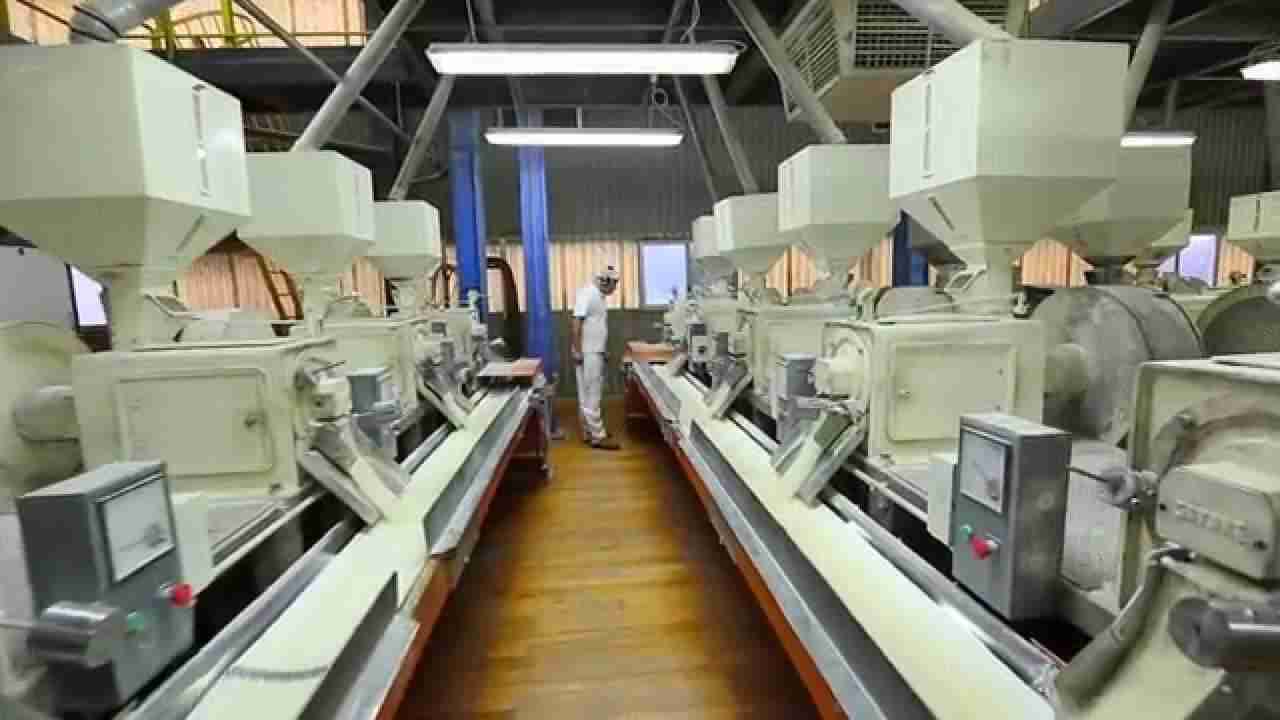
Achieving Maximum Efficiency in Rice Milling Operations
When it comes to maximizing efficiency in rice milling operations, one key factor to consider is the capacity of the mill plant. Building a 2 ton rice mill plant can significantly increase productivity and streamline the milling process. With a larger capacity, you can process more rice in less time, reducing overhead costs and increasing profits.
Investing in modern technology and equipment is essential for . Utilizing state-of-the-art machinery such as rice huskers, polishers, and graders can help improve processing speed and quality. Implementing automation and computerized systems can also reduce human error and optimize the overall milling process. By adopting a comprehensive approach to upgrading your rice mill plant, you can revolutionize your operations and stay competitive in the industry.

Implementing Cutting-edge Technology for Increased Productivity
At the heart of the Rice Revolution lies the state-of-the-art 2 ton rice mill plant, a game-changer in the agricultural industry. This cutting-edge technology is set to revolutionize the way rice is processed, increasing productivity and efficiency to unprecedented levels.
- Utilizing advanced sorting and grading systems to ensure only the highest quality rice is processed.
- Implementing automated milling processes to streamline production and reduce manual labor.
- Integrating real-time monitoring and control systems for optimal performance and minimal downtime.
The introduction of this innovative rice mill plant is poised to transform the industry, setting a new standard for modern agricultural practices. With a focus on precision, speed, and sustainability, this technological marvel is paving the way for a more efficient and profitable future for rice farmers around the world.
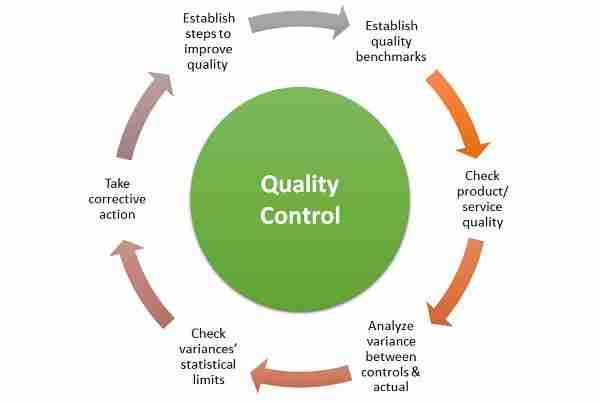
Strategies for Ensuring Quality Control and Sustainability in Rice Production
One of the key is to invest in a state-of-the-art rice mill plant. By building a 2 ton rice mill plant, farmers can greatly improve the efficiency and quality of their rice production process. This modern facility will have the latest technology and equipment to ensure that the rice is processed and stored correctly, leading to higher quality and more sustainable rice production.
In addition to investing in a high-tech rice mill plant, another crucial strategy for improving quality control and sustainability in rice production is to implement strict quality control measures throughout the entire production process. This includes regular testing of the rice for purity and quality, as well as ensuring that proper storage and handling practices are followed. By prioritizing quality control and sustainability, farmers can not only produce higher-quality rice but also reduce waste and environmental impact. By following these strategies, rice farmers can revolutionize their production process and ensure a sustainable future for their industry.
Optimizing Resources for Cost-effective Milling Processes
When it comes to , one must consider the efficiency of the machinery and the overall layout of the plant. In the case of building a 2 ton rice mill plant, careful planning and strategic resource allocation are key to success. By utilizing state-of-the-art rice milling machinery and implementing streamlined processes, the goal is to maximize output while minimizing costs.
One way to achieve this is by investing in high-quality rice milling equipment that can handle large volumes of rice with minimal waste. This includes modern hullers, polishers, and graders that are designed for efficiency and precision. Additionally, implementing automation and computerized systems can help optimize the milling process further. By carefully monitoring and adjusting variables such as moisture content, milling speed, and temperature, one can ensure consistent quality and maximize yield. Overall, the focus should be on leveraging technology and innovation to create a sustainable and cost-effective rice milling operation.
In Conclusion
In conclusion, the rice revolution is not just about increasing production, but about transforming lives and livelihoods. By investing in innovative technology and sustainable practices, the 2-ton rice mill plant has the potential to revolutionize the way rice is processed and distributed, ensuring food security and economic prosperity for communities worldwide. As we continue to strive for a more efficient and environmentally friendly agricultural sector, initiatives like this serve as a beacon of hope and opportunity for a brighter, more sustainable future. Join us in this journey towards a more resilient and prosperous world, one grain of rice at a time.




