
In the heart of the modern agricultural landscape, a silent revolution is taking place. At the forefront of this transformation is a state-of-the-art rice mill plant, where the age-old process of grain processing has been elevated to dizzying heights of efficiency and precision. Join us on a journey through the inner workings of this cutting-edge facility, where tradition meets innovation in the pursuit of perfection. Welcome to the Grain Revolution.
– Cutting-edge Technology and Automation in Rice Milling Operations
At the heart of modern-day rice milling operations lies cutting-edge technology and automation, redefining the way grains are processed. Imagine a state-of-the-art rice mill plant where every step of the milling process is meticulously controlled and optimized for efficiency. From cleaning and husking to polishing and packaging, each stage is seamlessly integrated with the help of advanced machinery and computer systems.
**Key features of a state-of-the-art rice mill plant include:**
- Automated grain handling systems
- Precision milling equipment
- High-speed packaging lines
| Stage | Technology |
|---|---|
| Cleaning | Laser sorting machines |
| Husking | Pneumatic sheller |
| Polishing | Whitening machines |
| Packaging | Automated bagging systems |

– Optimizing Efficiency and Quality Control in Grain Processing
Rice milling has come a long way from traditional methods to state-of-the-art technologies that optimize efficiency and quality control. Inside a modern rice mill plant, every step of the process is carefully monitored and managed to ensure the highest standards are met. From cleaning and husking to polishing and packaging, each phase is streamlined to deliver top-quality rice to consumers worldwide.
Using cutting-edge equipment such as precision rice sorters and advanced milling machines, every grain of rice is inspected and processed with precision. Quality control measures, including moisture content analysis and foreign object detection, are implemented to guarantee that only the best rice reaches the market. The implementation of advanced automation and digital systems has revolutionized the grain processing industry, enhancing both efficiency and product quality.
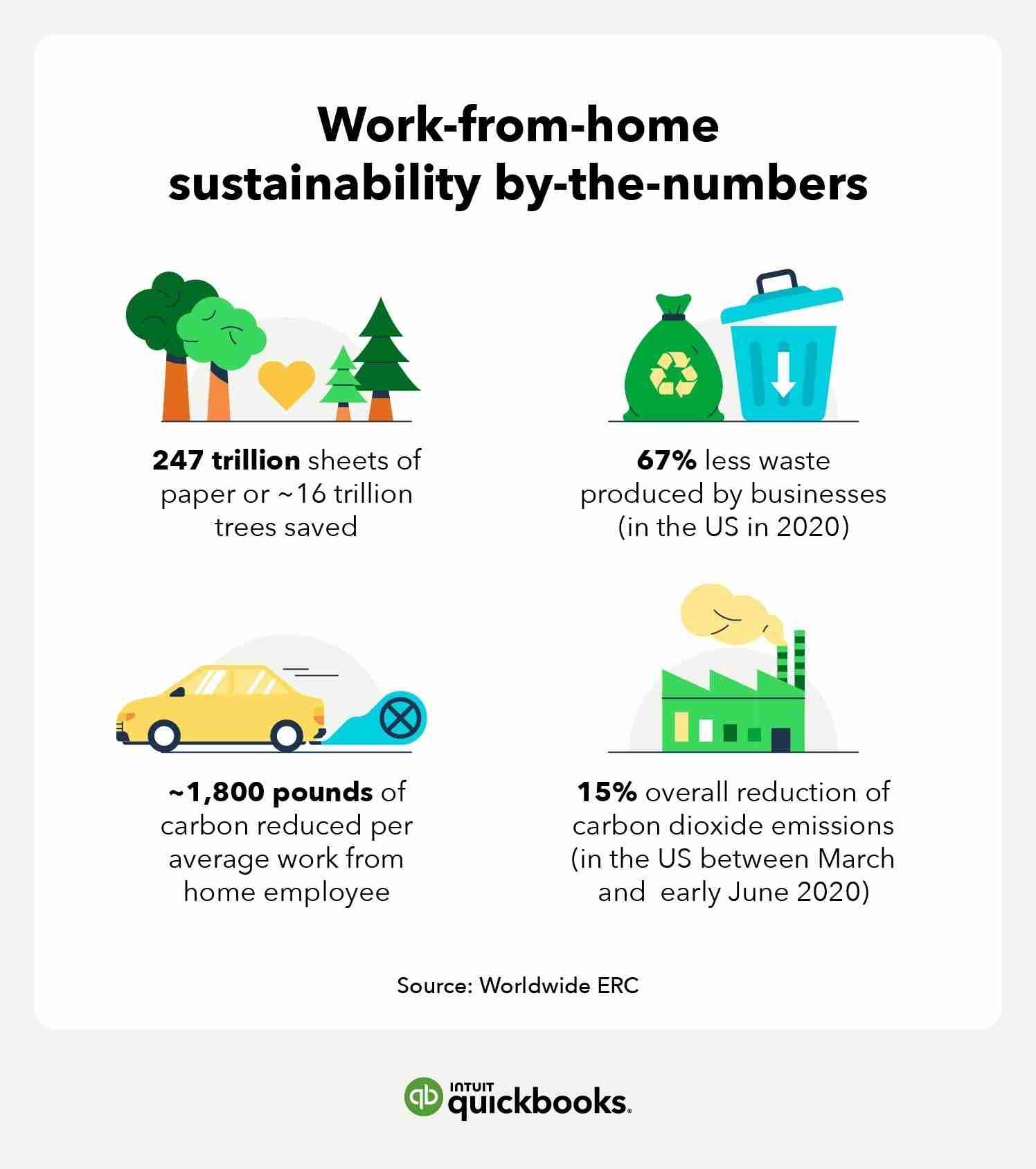
– Sustainability Practices and Environmental Impact in Modern Rice Mills
Rice mills have come a long way from traditional methods of processing rice to state-of-the-art facilities equipped with the latest technology and sustainability practices. These modern rice mills are not only revolutionizing the way rice is produced but also significantly reducing their environmental impact.
With the implementation of eco-friendly initiatives such as energy-efficient machinery, water recycling systems, and waste management programs, modern rice mills are striving to become more sustainable and reduce their carbon footprint. By adopting these practices, rice mill plants are not only improving their operational efficiency but also contributing to a greener and healthier future for the planet.
– Implementing Food Safety Protocols and Traceability Measures in Grain Production
Step into the future of grain production with a behind-the-scenes look at a state-of-the-art rice mill plant. In this cutting-edge facility, the latest technologies and practices are being implemented to ensure food safety protocols and traceability measures are top-notch. From harvest to packaging, every step of the process is carefully monitored and controlled to guarantee the highest quality product for consumers.
One of the key features of this modern rice mill plant is its advanced tracking system, which allows for real-time monitoring of each batch of grain from farm to table. With the use of **barcode scanning** and **QR code labeling**, every bag of rice can be traced back to the specific field it was grown in, providing complete transparency and accountability. This level of traceability not only ensures food safety but also helps to build consumer trust in the brand.
In Conclusion
In conclusion, the modern advancements in rice milling technology have truly revolutionized the way rice is processed and produced. From the state-of-the-art machinery to the environmentally sustainable practices, the grain revolution has not only increased efficiency and productivity, but also paved the way for a more sustainable future in the agricultural industry. As we continue to embrace innovation and technology, it is clear that the future of rice milling holds countless possibilities for growth and development. Join us as we embark on this journey towards a brighter, more efficient future in rice production.




