
In the heart of bustling farms and vibrant markets, a quiet revolution is unfolding — one that promises to redefine the journey of rice from field to table. The aroma of freshly cooked rice has long been a staple in households across the globe, but the means of getting it there is undergoing a dramatic transformation. Enter the era of automatic rice mills. These innovative machines are not only streamlining the processing of this essential grain but also enhancing efficiency and sustainability in ways previously thought unattainable. In this article, we delve into the rise of automatic rice mills, exploring their technological advancements, implications for farmers and consumers, and the pivotal role they play in the future of food production. Join us as we uncover how this remarkable shift is revolutionizing the grain-to-bowl experience, making it more accessible and sustainable for generations to come.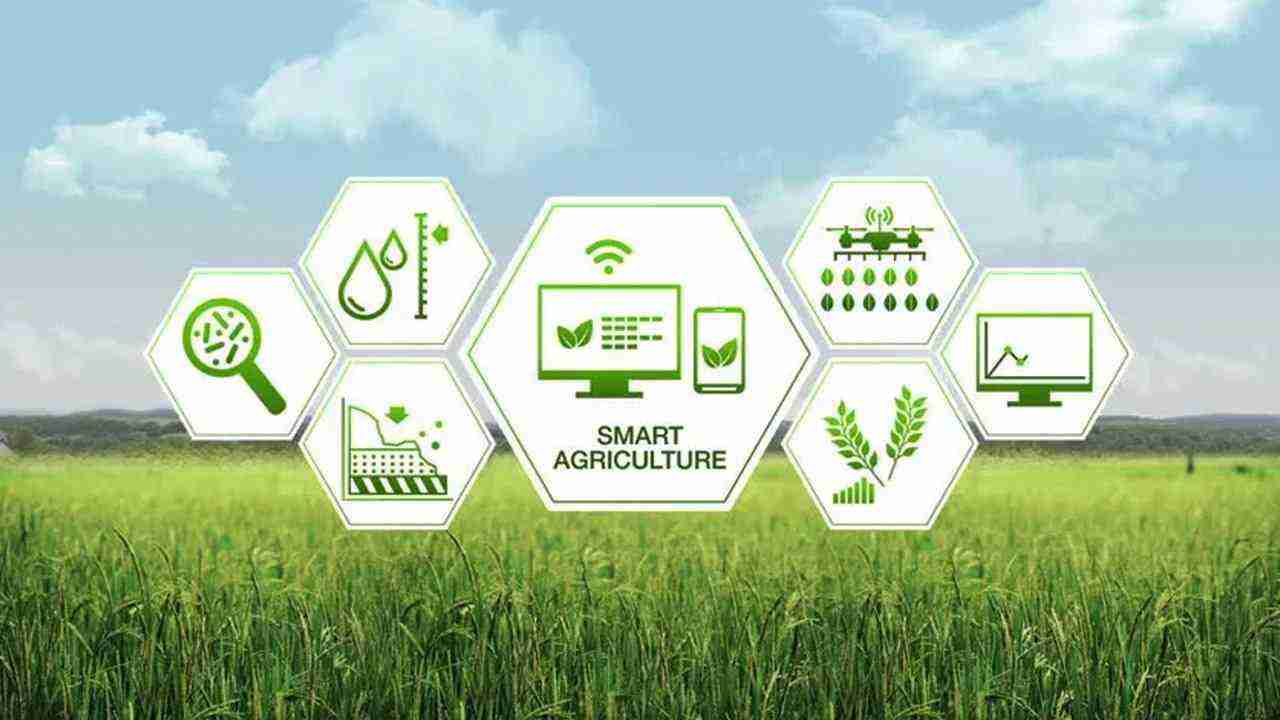
Transforming Agriculture with Technology: The Emergence of Automatic Rice Milling Systems
The introduction of automatic rice milling systems has reshaped the agricultural landscape, elevating traditional practices to unprecedented levels of efficiency and productivity. These advanced machines are no longer just a luxury for large-scale rice producers; they are becoming essential tools for farmers of all sizes. Leveraging cutting-edge technology, automatic rice mills deliver a myriad of benefits that streamline the process from grain to bowl, including:
- Precision Milling: Automated systems ensure consistency in grain quality, minimizing waste and maximizing yield.
- Reduced Labor Costs: With a significant decrease in manual labor requirements, farmers can save on operational costs while reallocating their workforce.
- Energy Efficiency: Modern designs prioritize sustainable energy use, ultimately benefitting the environment and lowering the carbon footprint.
As these systems integrate smart technology, such as AI and IoT, the rice milling process not only becomes faster but also offers real-time monitoring and data analytics. Farmers can track the milling efficiency, quality control, and inventory levels, which aids in making informed decisions that enhance overall productivity. The positive impacts are evident, leading to:
| Impact Areas | Benefits |
|---|---|
| Farmers | Increased profits through higher yields and reduced costs. |
| Consumers | Access to fresher, higher-quality rice at competitive prices. |
| Environment | Lowered resource consumption and enhanced sustainability. |

Enhancing Efficiency and Quality: Key Features of Modern Rice Mills
Modern rice mills have undergone a transformative evolution, integrating advanced technology to streamline processes while ensuring high-quality output. At the core of these innovations are automated systems that enhance operational efficiency. Among the standout features, computerized milling control allows for precise adjustments tailored to different rice varieties, optimizing yield with minimal waste. Additionally, the integration of high-capacity huskers and polishers enhances the milling process, ensuring that grains are processed to perfection without compromising their nutritional value.
Furthermore, environmental sustainability has become a primary focus for contemporary rice mills. Many facilities are now equipped with energy-efficient machinery that not only reduces operational costs but also minimizes carbon footprints. The adoption of waste recycling systems allows mills to repurpose by-products, turning rice husks and bran into valuable resources like biofuel and animal feed. Coupled with real-time monitoring technologies, these innovations ensure that producers can maintain quality while adhering to eco-friendly practices, ultimately leading to a more sustainable farming ecosystem.
| Feature | Description |
|---|---|
| Automated Systems | Reduce labor costs and increase speed and accuracy in processing. |
| Energy Efficiency | Machinery designed to consume less energy, benefiting the environment and bottom line. |
| Real-Time Monitoring | Enables instant adjustments to enhance product quality and consistency. |
| Waste Recycling | Utilizing by-products for other uses, promoting a circular economy. |
Sustainable Practices in Grain Processing: The Environmental Benefits of Automation
Incorporating automation into grain processing facilities has not only increased efficiency but also significantly reduced the environmental impact of these operations. With advanced technologies, mills can optimize both energy and water usage, ensuring that every resource is utilized effectively. Some key benefits include:
- Reduced Energy Consumption: Automated systems can analyze and adjust energy usage in real-time, minimizing waste.
- Water Conservation: Innovative milling techniques require less water without compromising quality, addressing a significant environmental concern.
- Lower Carbon Footprint: Streamlining processes reduces emissions, contributing to a cleaner atmosphere and a healthier planet.
Furthermore, automated grain processing promotes sustainability through improved waste management practices. By utilizing data analytics, mills can monitor by-products and redirect them into useful applications, reducing landfill waste. This not only conserves resources but also contributes to the circular economy in agriculture. Key practices include:
| By-Product | Application |
|---|---|
| Rice husk | Biomass energy production |
| Rice bran | Animal feed and nutritional supplements |
| Starch residue | Biodegradable packaging materials |
Navigating the Future: Recommendations for Farmers and Mill Operators in Adopting Automated Solutions
As the demand for efficiency and quality in rice production escalates, farmers and mill operators must embrace automated solutions to stay competitive in a rapidly evolving market. To effectively navigate this transition, they should consider the following strategies:
- Invest in Training: Ensuring that staff are well-versed in new technologies can maximize the benefits of automation. Workshops and hands-on training can ease the learning curve.
- Start Small: Gradually implement automated solutions in phases. This allows for smoother integration while minimizing disruptions to existing operations.
- Collaborate with Experts: Partnering with technology providers and industry experts can provide insights and guidance tailored to specific operational needs.
- Monitor and Adjust: Continuously assess the performance of automated systems to identify areas for improvement and adapt strategies as necessary.
Automation not only enhances production efficiency but also improves the quality of the end product. To maximize these advantages, operators should be mindful of key performance indicators (KPIs) that facilitate effective tracking and decision-making. Below is a concise overview of important KPIs relevant to automated rice mill operations:
| Key Performance Indicator | Description |
|---|---|
| Production Rate | Measures the amount of rice milled per hour. |
| Downtime | Tracks how often machinery is out of service. |
| Yield Percentage | Calculates the ratio of edible rice produced versus raw input. |
| Energy Consumption | Assesses energy usage to identify potential savings. |
The Conclusion
As we stand on the brink of a new era in food production, the emergence of automatic rice mills heralds a transformative shift in the way grains make their journey from farm to table. These innovative machines not only enhance efficiency and consistency but also promise to support sustainability and reduce waste in the agricultural sector. With the rising demand for convenience and quality in our everyday meals, the integration of advanced technology in rice milling serves as a testament to our ability to adapt and evolve.
Looking ahead, the future of grain processing is bright—a harmonious blend of tradition and innovation that caters to the needs of our modern lifestyle. As automatic rice mills continue to gain traction, we can expect a ripple effect, inspiring further advancements across the entire food industry. By embracing these changes, we pave the way for smarter, more sustainable practices that honor the labor of farmers while delivering delicious results to our bowls. The journey from grain to bowl has never been more promising, inviting us all to savor the possibilities that lie ahead.




