
In an ever-evolving world where technology continues to redefine traditional practices, the agricultural sector stands at the forefront of this transformation, particularly in grain processing. Among the staples that fuel economies and nourish populations, rice holds a prominent place. The introduction of automatic rice mills signifies a paradigm shift in how this essential grain is processed, promising to enhance efficiency, reduce labor costs, and minimize environmental impact. As we explore the future of automatic rice mills, we delve into the innovative technologies driving this revolution, the benefits these advancements bring to farmers and consumers alike, and the potential challenges that lie ahead. Join us on this journey to understand how automation is setting the stage for a more sustainable and productive future in rice processing.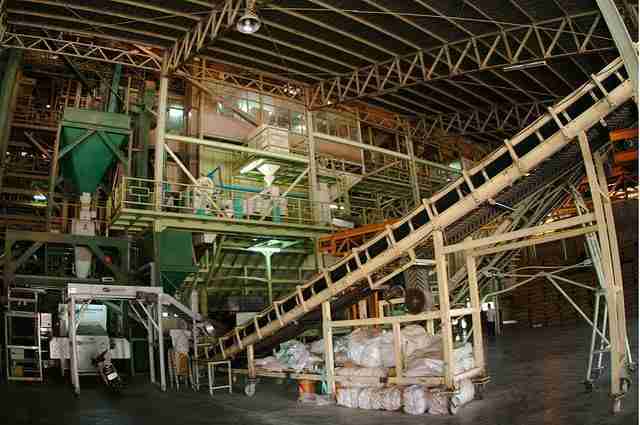
The Evolution of Rice Milling Technology and Its Impact on Efficiency
The transformation of rice milling technology has been profound, evolving from traditional manual processes to state-of-the-art automated systems. Historically, rice was milled using hand-operated tools that required significant labor and time, often resulting in inconsistencies in grain quality and yield. As demand for rice surged globally, innovations began to surface, leading to the adoption of mechanical milling. This shift introduced machinery that not only improved efficiency but also reduced the physical strain on laborers. Modern milling technology today includes features like automated sorting systems and real-time monitoring capabilities, which enhance product quality and streamline the overall production process.
The impact of these technological advancements on efficiency is clearly evident in various aspects of rice production. Automated mills are designed to minimize waste and maximize output, allowing processors to achieve higher levels of productivity with fewer resources. The integration of smart technology has allowed mills to closely track operational parameters, thus enabling timely maintenance and reducing downtime. Key benefits of modern rice milling technology include:
- Increased throughput: Higher processing speeds without compromising quality.
- Improved grain recovery: Better separation techniques that diminish output losses.
- Enhanced quality control: Automated systems ensuring consistent product standards.
- Energy efficiency: Reduced power consumption compared to older machinery.

Integrating Smart Sensors for Optimal Grain Quality Control
In the quest for superior grain quality, the integration of smart sensors is revolutionizing the way rice mills operate. These advanced devices utilize cutting-edge technology to monitor various parameters during the processing phase, ensuring a more consistent and high-quality end product. Not only do they enhance the ability to assess grain characteristics in real-time, but they also facilitate proactive interventions. By employing automated systems powered by smart sensors, mills can achieve:
- Precise Moisture Control: Sensors measure and adjust moisture levels for optimal preservation.
- Color and Quality Analysis: Real-time imaging technology evaluates grain color and detects blemishes swiftly.
- Temperature Monitoring: Continuous temperature checks prevent spoilage and improve storage conditions.
In practice, these sensors collaborate with machine learning algorithms to create a feedback loop that allows for continuous improvement in processing techniques. By analyzing historical data, mills can identify trends and make informed decisions about their operations, leading to a more efficient workflow. Consider the following table that highlights the advantages of smart sensor integration in grain quality control:
| Feature | Benefit |
|---|---|
| Automated Alerts | Instant notifications for quality deviations |
| Data Analytics | Informed decision-making based on real-time data |
| Enhanced Traceability | Improved tracking of grain quality from farm to table |

Sustainable Practices in Automatic Rice Mills: Reducing Waste and Energy Consumption
In the quest for efficiency and sustainability, modern automatic rice mills are adopting a variety of innovative practices to minimize waste and cut down on energy consumption. Through the integration of advanced technologies, these mills are capable of reclaiming byproducts such as rice husk and broken rice, which can be repurposed for alternative uses like biofuel and animal feed. Additionally, the implementation of water recycling systems allows mills to reduce fresh water reliance while also managing wastewater more effectively. These sustainable approaches not only help the environment but also create economic opportunities by transforming waste into valuable products.
Energy efficiency is another critical area where automatic rice mills are making significant gains. Mills are increasingly leveraging solar panels and energy-efficient machinery to decrease their overall energy footprint. Furthermore, predictive maintenance systems help in identifying potential equipment failures before they occur, thus minimizing downtime and energy waste. The following table summarizes some key energy-saving technologies currently being utilized:
| Technology | Benefits |
|---|---|
| Solar Energy Systems | Reduces reliance on non-renewable energy sources |
| Variable Frequency Drives (VFD) | Optimizes machine speed for energy efficiency |
| Heat Recovery Systems | Utilizes waste heat for further processing, saving energy |
By investing in these sustainable practices, automatic rice mills are not only improving their operational efficiency but are also setting a precedent for the agricultural industry, demonstrating that profitability and environmental responsibility can go hand in hand.
Exploring Future Innovations: AI and Robotics in Grain Processing Automation
As the agricultural landscape evolves, the integration of artificial intelligence (AI) and robotics is ushering in a new era for grain processing, particularly within the rice milling sector. By employing machine learning algorithms, grain processors can analyze vast amounts of data to optimize milling techniques, reduce waste, and ensure consistent product quality. Robotics enhance these operations through the automation of repetitive tasks, allowing for increased efficiency. This dual approach not only streamlines the production process but also mitigates human error, thus elevating the overall yield and cost-effectiveness of rice mills.
Furthermore, the future of automatic rice mills will be defined by adaptable technologies that allow for real-time monitoring and adjustments. Consider the following innovative features:
- Predictive Maintenance: Utilizing AI to anticipate equipment failures, minimizing downtime.
- Smart Sorting Systems: Robotics-enabled sorting mechanisms that enhance grain quality by automating the inspection process.
- Energy Efficiency Solutions: Advanced machinery designed to optimize energy usage during production.
These advancements contribute to sustainable practices in grain processing, ensuring that mills can meet growing global demands while minimizing their environmental footprint. Manufacturers aiming to implement these innovations are likely to gain a competitive edge in an increasingly automated market.
Future Outlook
As we stand on the brink of a new era in grain processing, the evolution of automatic rice mills heralds a transformation that is both exciting and essential. The integration of advanced technologies, from AI algorithms to sustainable practices, not only enhances efficiency but also promises to address the pressing challenges of food security and environmental sustainability. As grains continue to be a staple in diets around the world, the modernization of rice milling could very well redefine agricultural ecosystems and bolster economies.
Looking ahead, the journey toward fully automated rice mills is not just about streamlining production; it’s a commitment to innovation that nurtures both the farmer and the consumer. By embracing these technological advancements, we can anticipate a future where quality and accessibility of rice are elevated for all. As this revolution unfolds, it invites us all to partake in the conversation—how can we ensure that these advancements serve not only the industry but the communities that rely on them? The future of grain processing is here, and it is poised to reshape our relationship with one of the world’s most vital resources.




