
Revitalizing Agriculture: The Role of Modern Rice Mill Plants
In the heart of agrarian landscapes, where golden fields sway with the gentle breeze, the story of agriculture unfolds, rich with tradition and resilience. Rice, a staple food for over half the world’s population, holds profound cultural and economic significance, yet it is often ensnared in the challenges of outdated practices and inefficiencies. Enter modern rice mill plants—innovative hubs of technology that are not just machinery; they are a beacon of revitalization for the agricultural sector. As we embark on a journey through the transformative potential of these facilities, we will uncover how they are reshaping the rice industry, improving quality, enhancing productivity, and fostering sustainable practices. In an era where modernization meets time-honored customs, modern rice mill plants stand at the forefront, poised to redefine the future of rice production and ignite a new agricultural renaissance.
Empowering Farmers through Advanced Milling Technologies
In a rapidly evolving agricultural landscape, modern rice mill plants are at the forefront of transforming traditional farming practices into sustainable enterprises. These advanced milling technologies not only enhance the quality of rice but also improve the livelihoods of farmers. By utilizing state-of-the-art equipment, farmers can maximize their output from every harvest. Key benefits of these technologies include:
- Increased Efficiency: Automated processes reduce operational time and labor costs.
- Higher Yield: Modern mills ensure optimal extraction of rice, leaving minimal waste.
- Consistent Quality: Advanced sorting and grading systems guarantee superior product quality.
Moreover, the integration of smart technologies in milling operations allows farmers to track production metrics in real-time, facilitating better decision-making and resource management. With the use of digital platforms for networking and market access, farmers can connect directly with consumers, ensuring they receive fair prices for their yield. A brief overview of the impact of these technologies is highlighted in the table below:
| Impact | Benefit |
|---|---|
| Production Scale | Enhanced output capacity |
| Market Reach | Direct consumer access |
| Environmental Sustainability | Reduced waste and resource conservation |
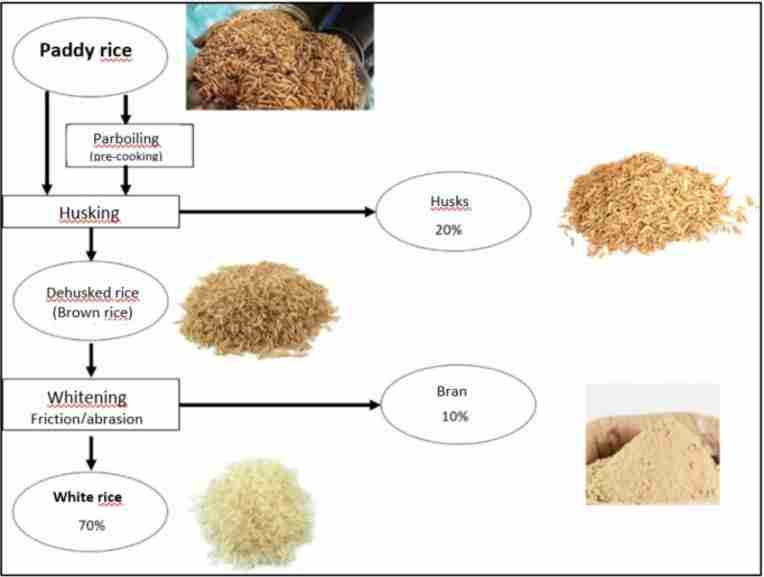
Enhancing Quality and Efficiency in Rice Processing
In the quest for sustainable rice production, investing in modern rice mill plants has proven to be a game changer, transforming the entire processing landscape. With advanced technologies employed in these mills, the quality of rice has improved significantly, minimizing broken grains and enhancing overall output. These mills utilize precision machinery that ensures uniform processing, leading to a higher yield per batch and reduced waste. Moreover, the automation of several processing stages accelerates operations, allowing for greater efficiency and consistency in the final product.
Additionally, modern rice mill plants embrace eco-friendly practices, which contribute to sustainability in agriculture. By implementing energy-efficient systems and waste management protocols, these mills reduce their carbon footprint and environmental impact. The integration of renewable energy sources helps in minimizing operational costs while promoting green agriculture. The synergy of these aspects positions modern rice milling not just as a processing necessity but as a vital component in revitalizing the agricultural economy. Enhancing quality and efficiency strengthens the supply chain, improves farmer incomes, and ultimately contributes to food security in the region.

Sustainable Practices for a Greener Agricultural Future
As the world navigates the urgent need for environmentally responsible methods, the agricultural sector is embracing sustainable practices that can significantly reduce its ecological footprint. One impactful avenue involves the deployment of modern rice mill plants, which integrate advanced technology and innovative processes. These facilities prioritize energy efficiency, vastly minimizing waste, and optimizing water usage. By adopting methods such as biomass energy recovery and water recycling systems, these mills not only enhance productivity but also contribute to a more sustainable approach to rice production. This transformation reinforces the idea that sustainability and profitability can go hand in hand.
Furthermore, modern rice mill plants are beginning to emphasize value-added processing techniques, allowing them to produce diverse products that cater to evolving consumer preferences. This approach helps in maximizing the usage of by-products while creating opportunities for rural livelihoods through job creation and entrepreneurship. Additionally, the integration of precision agriculture tools ensures that farmers receive data-driven insights, leading to better resource management and crop yields while minimizing environmental impact. By fostering a culture of sustainability at every step of the rice production chain, the industry can support a greener agricultural future that benefits both communities and the planet.
Economic Impact and Community Development from Modern Mills
Modern rice mill plants serve as pivotal engines for economic revitalization and community development. By enhancing the efficiency of rice processing, these facilities reduce wastage and increase the quality of the final product, which directly benefits local farmers. The introduction of advanced milling technologies allows for higher extraction rates and better grain quality, resulting in increased income for farmers. Additionally, as these mills often source their raw materials locally, they contribute significantly to the rural economy by ensuring that funds circulate within the community, fostering growth in other sectors such as transportation, retail, and services.
Furthermore, modern rice mill plants create numerous job opportunities, providing livelihoods to skilled and unskilled workers alike. From mill operators and technicians to administrative personnel, modern facilities require a diverse workforce that can cultivate various skills. The establishment of these mills often leads to infrastructure improvements in the surrounding areas, including better roads and access to utilities. To illustrate this transformative impact, consider the following table that summarizes key economic benefits:
| Economic Benefit | Description |
|---|---|
| Income Generation | Higher prices and demand for quality rice increase farmer profits. |
| Job Creation | New roles in operations, management, and logistics emerge. |
| Infrastructure Development | Improvements in roads and utilities enhance community connectivity. |
| Skill Development | Training programs elevate local workforce capabilities. |
The ripple effects of modern rice mill plants extend well beyond their immediate operational scope, embedding themselves into the fabric of local communities. Through strategic partnerships with agricultural cooperatives and local governments, these mills not only ensure food security but also empower communities by promoting sustainable agricultural practices. By cultivating a culture of innovation and collaboration, modern mill operations can help transform agricultural landscapes into vibrant, thriving ecosystems that support both farmers and the broader community.
To Conclude
As we conclude our exploration of modern rice mill plants and their pivotal role in revitalizing agriculture, it becomes clear that these facilities are more than just machines processing grains. They symbolize a harmonious blend of tradition and innovation, where cutting-edge technology meets the time-honored practices of rice cultivation. As they streamline production and enhance quality, these mills are not only transforming the rice industry but also uplifting rural communities and contributing to food security.
Looking to the future, the integration of such advancements in agriculture will be crucial in addressing global challenges, from climate change to population growth. By investing in modern rice milling technologies, we are not only preserving the heritage of rice farming but also paving the way for a sustainable and prosperous agricultural landscape. In embracing these developments, we unlock the potential to nurture generations to come, ensuring that rice—the staple that sustains billions—continues to thrive not just as a crop, but as a cornerstone of food sovereignty and cultural identity. Together, let us cultivate a future where agriculture flourishes, nourishes, and revitalizes lives across the globe.




