Rice Mill Plant
A modern rice mill plant is a marvel of industrial engineering designed to streamline the production of rice. It integrates advanced technologies to process paddy into high-quality rice efficiently. The plant begins with pre-cleaning to eliminate impurities and debris, ensuring only clean grains proceed. Dehusking or husking removes the outer shell, and the whitening process carefully strips away the bran layer without damaging the grains. Sophisticated grading and sorting systems then classify the rice by size and color, enhancing uniformity and appeal. Finally, polishing adds a lustrous sheen, making the rice visually attractive. These plants are equipped with automated systems for handling, reducing labor costs and increasing throughput, ensuring that they meet global standards for food safety and quality.
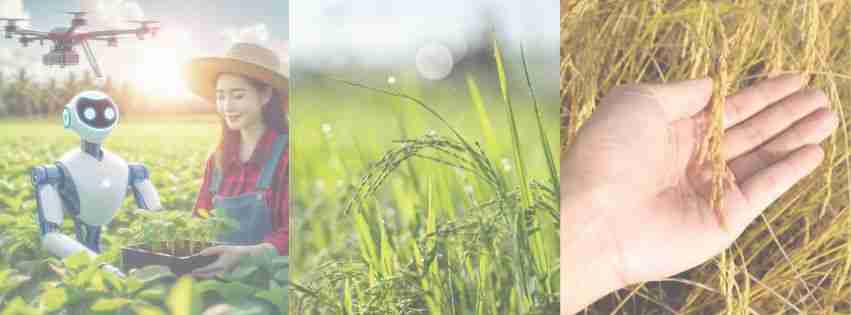
Reviving Agriculture: The 2 Ton Rice Mill Plant Initiative
In a bid to transform rural economies, the "2 Ton Rice Mill Plant Initiative" promises to empower local farmers by enhancing production efficiency. This innovative project heralds a new era of sustainable agriculture, fostering growth and resilience in communities.
Unlocking Efficiency: The Benefits of a 4 Ton Rice Mill Plant
Unlocking efficiency in rice production, a 4 ton rice mill plant enhances output and reduces waste. With advanced technology and streamlined processes, it transforms raw grains into premium quality rice, maximizing profitability for farmers and enterprises alike.

Revolutionizing Grain Processing: The Rise of Rice Milling Units
In recent years, rice milling units have emerged as a transformative force in grain processing. By integrating advanced technology and sustainable practices, these units enhance efficiency, reduce waste, and ensure high-quality yields, shaping the future of food production.
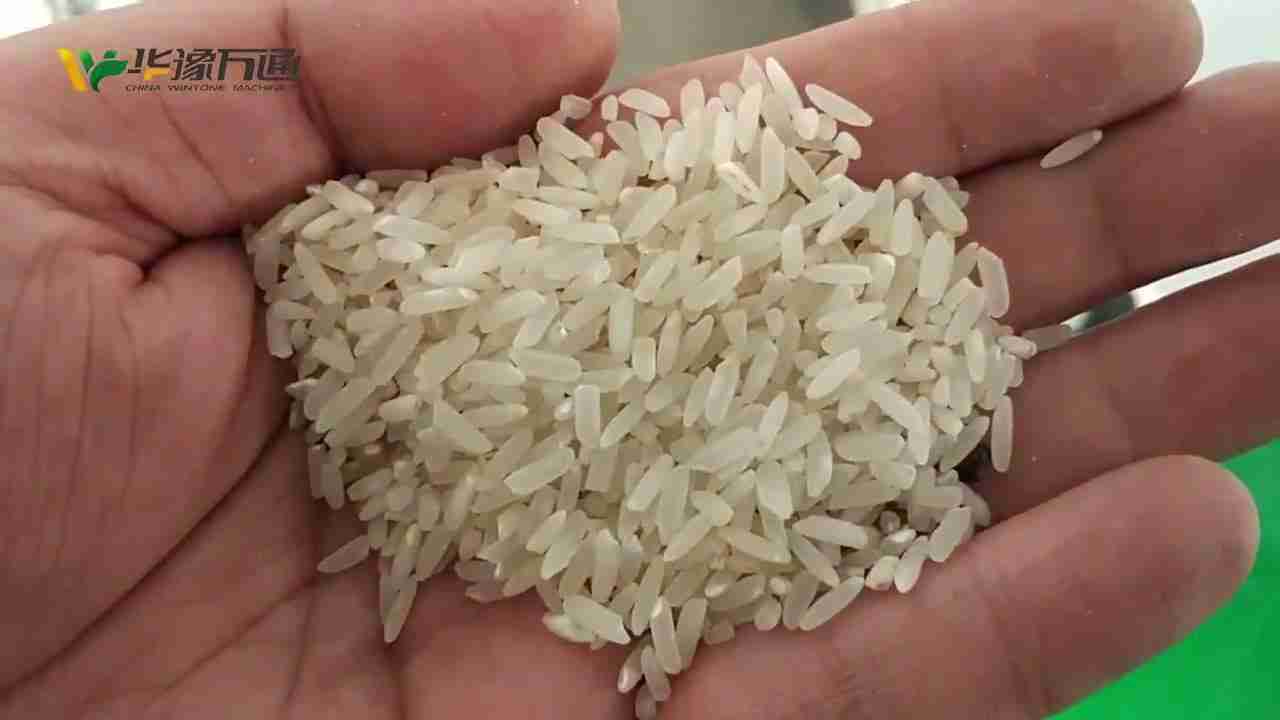
Turning Grains into Gold: The 2 Ton Rice Mill Plant Project
In an innovative leap for agribusiness, the "Turning Grains into Gold" initiative unveils a 2-ton rice mill plant project. This venture promises to transform local rice production, enhancing efficiency and boosting economic growth within the community.
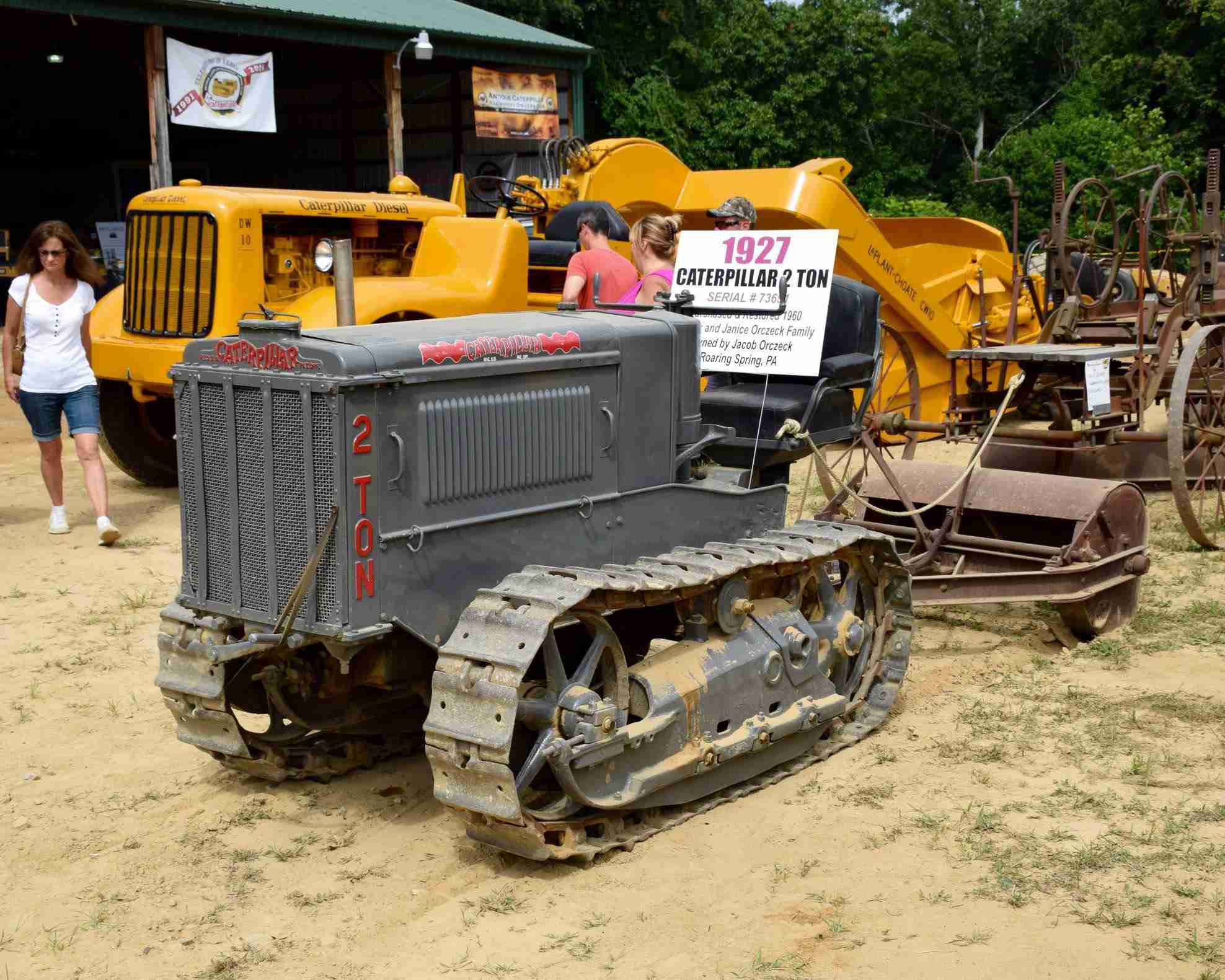
Exploring the Viability of a 2-Ton Rice Mill Plant Project
In the heart of the agricultural landscape, the proposed 2-ton rice mill plant project promises to transform local economies. By assessing production efficiency, market demand, and sustainability, stakeholders can determine its potential impact and viability.

Transforming Grains: The Innovations Behind Rice Mill Plants
In the heart of agriculture, rice mill plants are evolving through innovative technologies. From precision milling to eco-friendly processes, these transformations enhance efficiency, reduce waste, and ensure higher quality grains, shaping the future of rice production.

Revolutionizing Grain Processing: The Innovative Rice Mill Plant
In the heart of agricultural innovation, the new rice mill plant stands as a beacon of efficiency. Utilizing cutting-edge technology, it transforms raw rice into polished grains, minimizing waste and maximizing quality. This revolutionary approach redefines grain processing for a sustainable future.
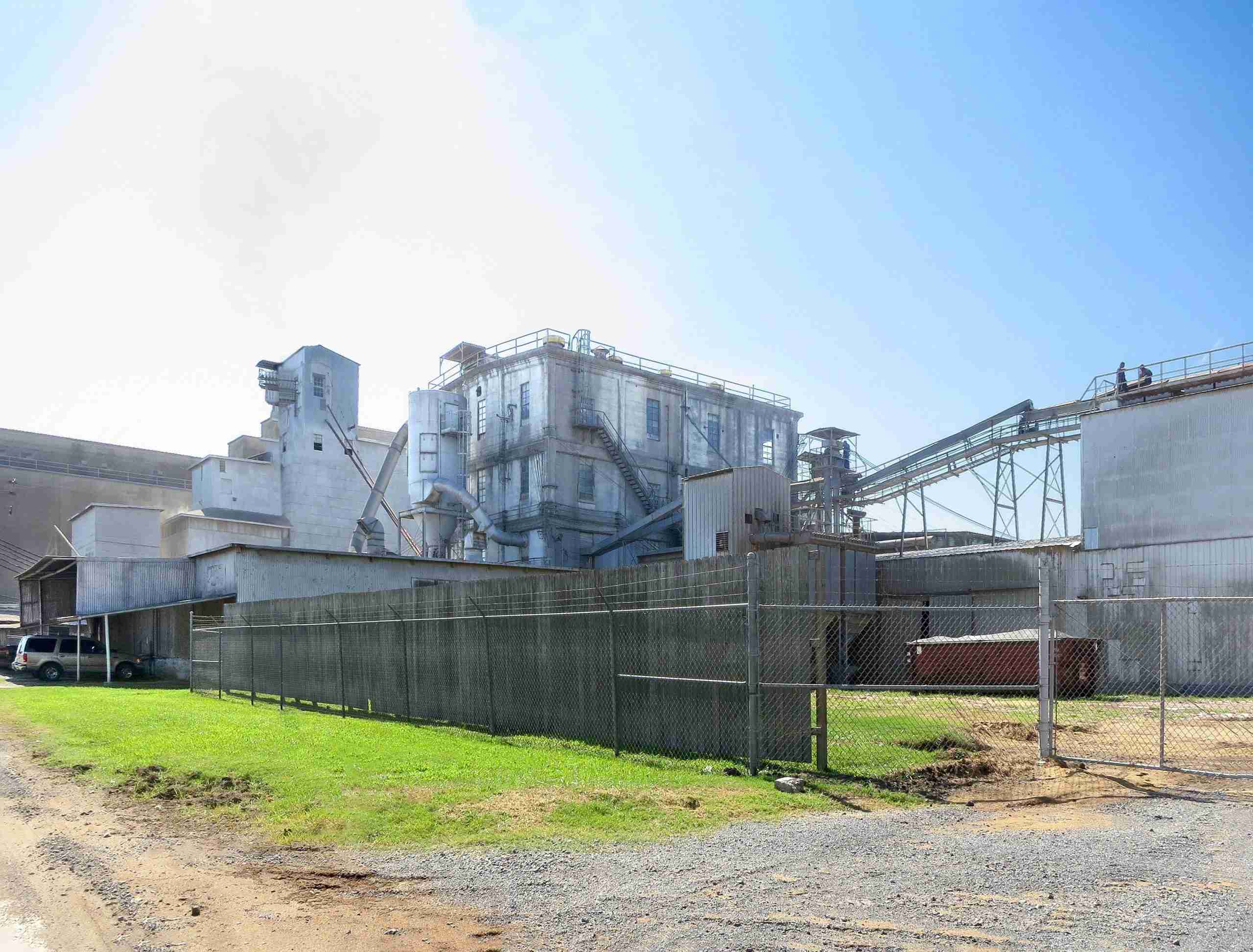
Unlocking Potential: The Future of Rice Mill Plant Technology
As the world embraces technological advancements, the future of rice mill plants stands poised for transformation. Innovations in automation, sustainability, and precision milling promise to unlock untapped potential, enhancing efficiency and quality in rice production.

Revolutionizing Harvest: The Automatic Rice Mill Plant
In the heart of agricultural innovation, the automatic rice mill plant emerges as a game-changer. Streamlining the harvest process, it enhances efficiency and reduces labor demands, ensuring that quality rice reaches the market swiftly and sustainably.

Revolutionizing Grain Processing: The Fully Automatic Rice Mill Plant
Revolutionizing grain processing, the fully automatic rice mill plant transforms traditional methods into a seamless operation. With advanced technology, it enhances efficiency, ensuring consistent quality while reducing labor costs and maximizing output.