
In the ever-evolving landscape of agricultural technology, the push for efficiency and sustainability remains at the forefront of innovation. Among the myriad of advancements, the emergence of the 4 Ton Rice Mill Plant is a remarkable milestone that promises to revolutionize rice processing. Designed to enhance productivity while minimizing waste, this modern milling solution caters to the growing demands of a global market, where quality and quantity often dictate success. In this article, we will explore the intricacies of the 4 Ton rice mill plant, delving into its features, operational benefits, and the transformative impact it has on the rice milling industry and local economies. Join us as we uncover how this cutting-edge technology stands to maximize efficiency, support farmers, and ultimately reshape the future of rice production.
Maximizing Production Output in 4 Ton Rice Mill Plants
To enhance production output in a 4-ton rice mill plant, adopting modern technologies and best practices is essential. Utilizing automated equipment not only streamlines the milling process but also minimizes human error. Key innovations such as efficient husking machines and high-performance milling units can drastically reduce processing time. When integrated with digital monitoring systems, plant managers can achieve real-time data insights, allowing them to swiftly identify bottlenecks and optimize workflow. Additionally, regular training programs for the operational staff ensure that everyone is proficient with the latest techniques and machinery, thereby fostering a culture of continuous improvement.
Furthermore, strategic maintenance plays a vital role in sustaining high production levels. Establishing a routine maintenance schedule helps in early detection of machinery issues, reducing unexpected downtime. Consider implementing the following practices for optimal results:
- Conducting weekly performance assessments
- Implementing preventive maintenance checklists
- Utilizing high-quality lubricants and parts
- Encouraging open feedback from operators
To visualize key performance metrics alongside maintenance schedules, businesses can leverage data-driven approaches. Below is a simplified example of a maintenance checklist that can be customized for a 4-ton rice mill:
| Maintenance Task | Frequency | Responsible Person |
|---|---|---|
| Inspect Milling Equipment | Weekly | Operator |
| Deep Clean Machinery | Monthly | Shift Supervisor |
| Replace Filters | Quarterly | Maintenance Team |
| Review Production Metrics | Bi-Weekly | Manager |
Innovative Technologies Driving Enhanced Processing Efficiency
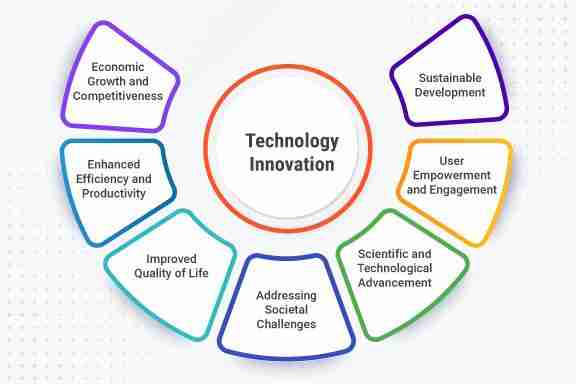
In the quest for enhanced processing efficiency, the adoption of cutting-edge technologies in rice milling has become imperative. Advanced automated systems play a key role, enabling real-time monitoring of various operational parameters. This automation not only reduces human error but also optimizes workflow, leading to significant gains in productivity. The integration of IoT (Internet of Things) devices allows for remote tracking of equipment performance and maintenance needs, which proactively prevents downtime. As a result, mills are able to maximize output while minimizing resource waste.
Furthermore, the implementation of energy-efficient machinery in a 4-ton rice mill plant cannot be overstated. These machines, designed with the latest energy-saving technologies, drastically lower operational costs and decrease the environmental footprint. Innovations in grain handling and storage have also transformed the way rice is processed, improving both the quality of rice and the speed of processing. Key benefits include:
- Reduced operational costs through energy savings
- Minimized waste with precision milling techniques
- Real-time analytics for informed decision-making
- Improved product quality with enhanced milling processes
When comparing traditional milling methods with modern innovations, the differences become evident in terms of efficiency and output. Below is a brief overview of the advancements:
| Traditional Milling | Modern Innovations |
|---|---|
| Higher energy consumption | Energy-efficient operations |
| Manual monitoring | Automated system checks |
| Inconsistent product quality | High-quality, consistent output |
| Limited scalability | Scalable solutions for growth |
Sustainable Practices for Optimal Resource Utilization
In the quest for optimizing resource utilization, it is vital to implement sustainable practices that ensure both productivity and environmental stewardship. The integration of advanced technologies within a 4-ton rice mill plant can significantly enhance resource efficiency. By adopting methods such as water recycling, energy-efficient machinery, and waste minimization, mills can lower their ecological footprint while maximizing output. For instance, utilizing solar panels to power certain equipment not only reduces dependency on fossil fuels but also contributes to long-term cost savings.
Moreover, education and training programs for mill operators can play a crucial role in fostering a culture of sustainability. An informed workforce can effectively manage resources and adhere to best practices. Implementing regular audits and monitoring systems enables facilities to track their resource consumption and identify areas for improvement. Key sustainable practices include:
- Regular Maintenance: Ensures machinery runs efficiently, reducing energy waste.
- Optimal Grain Handling: Minimizes losses during processing, ensuring maximum yield.
- Use of Biodegradable Packaging: Reduces environmental impact of by-products.
Strategies for Reducing Operational Costs in Rice Milling
Reducing operational costs in rice milling is crucial for maximizing profit margins in the highly competitive agricultural sector. One effective strategy involves embracing advanced technology and automation in the milling process. By investing in high-efficiency machinery, mill operators can significantly reduce energy consumption and downtime. The integration of sensors and IoT devices can enhance monitoring capabilities, allowing for predictive maintenance that prevents costly breakdowns. Other technologies, such as automated sorting and packaging systems, not only streamline operations but also minimize labor costs associated with manual handling.
Additionally, optimizing supply chain management plays a vital role in reducing operational costs. Farmers and millers can collaborate to form cooperatives that strengthen bargaining power, resulting in better prices for both inputs and outputs. Implementing an efficient inventory management system ensures that raw materials are utilized effectively, reducing waste and storage costs. Consider utilizing a rotating stock system which can help maintain freshness and quality, directly impacting customer satisfaction. Below is a table illustrating potential cost-saving areas when implementing these strategies:
| Cost-saving Area | Benefit |
|---|---|
| Efficient Machinery | Reduced energy usage and operational downtime |
| Technology Integration | Lower labor costs and improved monitoring |
| Inventory Management | Minimized waste and storage expenses |
| Cooperative Ventures | Enhanced bargaining power and cost-effective sourcing |
Final Thoughts
the 4 Ton rice mill plant stands at the forefront of agricultural innovation, turning the tide for rice production and processing. By seamlessly integrating advanced technology with sustainable practices, this plant not only enhances efficiency but also empowers farmers by reducing waste and optimizing yield. As we journey into an era where food security and environmental sustainability are paramount, embracing such revolutionary advancements is crucial for nurturing our global future. Whether you are a farmer looking to elevate your operations, an entrepreneur in the agricultural sector, or simply an advocate for sustainable practices, the potential of the 4 Ton rice mill plant offers a promising pathway toward a more efficient and responsible agricultural landscape. As we reflect on these developments, let us remain committed to fostering innovation that uplifts communities and transforms industries, ensuring that the world can reap the benefits of every grain.




