
Launching Success: The 2 Ton Rice Mill Plant Project Journey
In the heart of agrarian landscapes, where the air hums with the promise of prosperity and growth, a new chapter in agricultural innovation is unfolding. The 2 Ton Rice Mill Plant Project stands as a beacon of ambition, transforming grains of potential into a harvest of success. This article delves into the intricate journey of establishing a rice mill plant, mapping the meticulous planning, unwavering dedication, and collaborative efforts that breathe life into this venture. From concept to execution, we will explore the challenges faced, the milestones achieved, and the broader impact of this initiative on local communities and economies. Join us as we uncover the story behind the machines, the people, and the dream that fuels this remarkable journey toward sustainable agricultural advancement.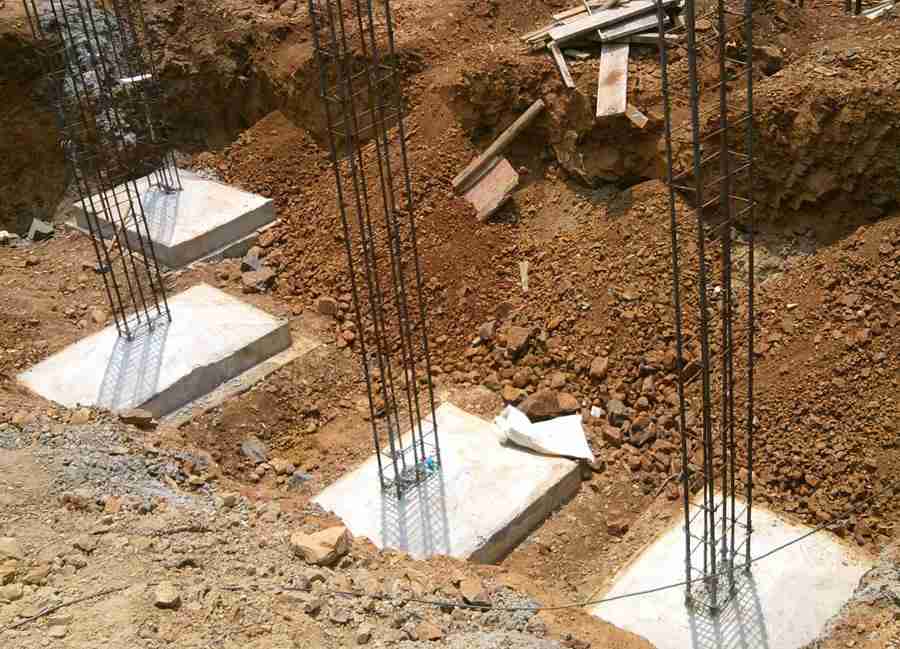
Exploring the Foundations of a Flourishing rice mill plant
Embarking on the journey of establishing a rice mill plant is akin to nurturing a seedling with boundless potential. The very essence of a thriving mill hinges on understanding the critical components that form its foundation. Key elements such as location, technology, and quality control lay the groundwork for operational success. Selecting an optimal site for the mill can enhance logistics significantly, ensuring that raw materials reach the facility efficiently while minimizing transportation costs. Moreover, investing in state-of-the-art processing technology not only streamlines production but also boosts output quality, meeting the demands of today’s discerning market.
The cornerstone of any successful mill operation is the assurance of top-notch quality throughout the production process. Implementing a robust quality management system guarantees that every grain of rice processed upholds high standards. This involves:
- Regular equipment maintenance
- Strict adherence to hygiene protocols
- Continuous staff training
A well-trained workforce equipped with the knowledge of best practices plays a pivotal role in maintaining efficiency and consistency. Investing in these fundamentals creates a ripple effect, fostering a strong reputation that can propel the business forward in a competitive market.

Navigating Challenges: Key Lessons Learned During Project Execution
Throughout the journey of establishing the 2 Ton Rice Mill Plant, our team encountered a variety of challenges that forced us to adapt and innovate. Effective communication emerged as a cornerstone for overcoming these hurdles. Frequent updates and open channels fostered trust among stakeholders, ensuring everyone was aligned with project goals. Additionally, the importance of a flexible project plan became apparent; despite how meticulously we prepared, unforeseen circumstances demanded quick pivots. Embracing adaptability allowed us to not only manage risks, but also capitalize on unexpected opportunities that arose during the execution phase, leading to enhanced efficiency and output.
Another significant lesson focused on collaboration with local suppliers and contractors. Building strong relationships provided us access to invaluable resources and local expertise. Through regular engagement and support, we cultivated a network of partners who shared our vision. Moreover, continuous learning played a vital role in refining our processes and enhancing operational capabilities. By analyzing setbacks and documenting insights gained, we established a culture of improvement that equipped our team to overcome future obstacles. The insights drawn from these experiences are invaluable as they will shape our strategy for subsequent projects.
Optimizing Operations: Strategies for Enhanced Efficiency and Productivity
Identifying opportunities for streamlining processes was pivotal in our journey with the 2-ton rice mill plant project. By utilizing lean manufacturing principles, we managed to minimize waste and maximize efficiency at every step of the production line. Key strategies included:
- Regular Training: Continuous workforce development ensured that every team member was proficient in their roles, leading to fewer errors and reduced downtime.
- Workflow Optimization: We implemented a layout change in the milling area to enhance the flow of operations, which helped eliminate bottlenecks.
- Technology Integration: Introducing automated systems for sorting and packaging elevated our output speed while maintaining product quality.
Frequent assessments of our production metrics played a crucial role in maintaining these improvements. Implementing a dashboard for real-time data analysis provided insights into performance and pinpointed areas needing attention. Our monitoring strategy encompassed:
| Metric | Target Value | Current Value |
|---|---|---|
| Production Volume (kg/day) | 2000 | 1800 |
| OEE (Overall Equipment Efficiency) | 85% | 78% |
| Waste Percentage | 2% | 5% |
This data-driven approach not only fostered a culture of accountability but also significantly enhanced our productivity levels, paving the way for long-term success as we strive for a more efficient and profitable operation.
Planning for the Future: Sustainable Practices and Growth Opportunities
As the journey of the 2 Ton Rice Mill Plant Project unfolds, it becomes increasingly evident that sustainable practices are not just an option but a necessity for long-term success. Implementing eco-friendly techniques—from energy-efficient machinery to waste reduction strategies—ensures that we are minimizing our environmental footprint while optimizing production. The commitment to sustainability can also manifest in the sourcing of materials, where local and organic inputs can bolster not only the quality of the final product but also the local economy. By embracing these measures, we pave the way for future developments that align with both our operational goals and environmental stewardship.
Furthermore, exploring growth opportunities within the rice milling sector can yield significant rewards. By diversifying product lines to include value-added items such as rice bran oil or gluten-free rice flour, the plant can cater to a broader market while enhancing its profitability. Strengthening partnerships with local farmers and engaging in community-supported agriculture programs can also cultivate loyalty and enhance brand reputation. As we forge ahead, here’s a quick look at potential growth avenues:
| Growth Opportunities | Description |
|---|---|
| Value-Added Products | Diversifying into rice bran oil and gluten-free options. |
| Local Partnerships | Collaboration with farmers for quality sourcing. |
| Community Engagement | Participating in local agriculture programs. |
Insights and Conclusions
As we conclude our exploration of the “Launching Success: The 2 Ton rice mill plant Project Journey,” it becomes evident that this venture is more than just a mechanized endeavor; it’s a testament to innovation, resilience, and the diligent spirit of those involved. From the initial concept to the rigorous planning and execution phases, each step has woven together the threads of labor and ambition.
This journey has not only illuminated the significance of modern agriculture in empowering local economies but also provided critical insights into the complexities of project management in the agricultural sector. As we reflect on the milestones achieved and the challenges overcome, we invite you to consider how such initiatives can inspire sustainable practices and foster growth in communities worldwide.
The success of the rice mill plant serves as a beacon of what’s possible when vision meets determination. As this project continues to flourish, it stands as a model for future endeavors, urging us to embrace innovation and collaboration in the face of the evolving demands of our global landscape. With every grain produced, the journey forward promises to be rich in potential, ready to nourish not only the marketplace but also the dreams of many seeking to cultivate a brighter future.




