
In the heart of agricultural innovation, the launch of the 2 Ton Rice Mill Plant Project marks a pivotal moment in the realm of sustainable farming and food processing. As countries around the globe strive to enhance food security and promote economic growth through local production, this project emerges as a beacon of opportunity for communities and entrepreneurs alike. With its carefully engineered design and commitment to efficiency, the 2 Ton Rice Mill not only promises to streamline rice processing but also aims to uplift local economies and empower small farmers. In this article, we delve into the intricacies of this ambitious endeavor, exploring its objectives, technological features, and the broader impact it aspires to achieve within the agricultural landscape. Join us as we unpack the journey of bringing this project to life, revealing how it embodies the spirit of innovation and resilience in today’s ever-evolving food industry.
Unveiling the Vision Behind the 2 Ton rice mill plant Initiative
The launch of the 2 Ton rice mill plant Initiative marks a transformative step in modernizing agricultural practices and enhancing local economies. This visionary project aims to streamline the rice production process, making it not only more efficient but also sustainable. By incorporating advanced technology and eco-friendly methodologies, we strive to minimize waste and maximize outputs, ensuring that farmers can cultivate with confidence and producers can operate at scale. Key aspects include:
- Innovative Milling Techniques: Utilizing state-of-the-art milling equipment to enhance grain quality.
- Local Sourcing: Fostering partnerships with local farmers to ensure fresh and sustainable supply chains.
- Job Creation: Providing employment opportunities in rural areas, contributing to community growth.
Furthermore, the initiative is designed to be a catalyst for education and skill development within the agricultural sector. Workshops and training sessions will be implemented, enabling farmers and mill workers to acquire new skills and improve practices that ensure quality and efficiency. This approach not only empowers individuals but also builds a resilient agricultural community. The project’s layout reflects our commitment to transparency and education:
| Aspect | Description |
|---|---|
| Training Programs | Hands-on training on modern milling techniques and best practices. |
| Community Engagement | Regular outreach initiatives to involve local farmers in decision-making. |
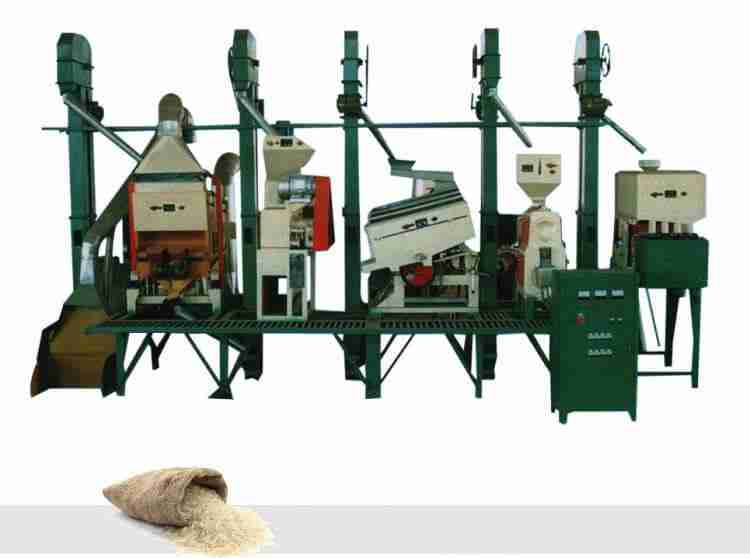
Navigating the Key Components of rice mill plant Operations
In any rice mill plant operation, understanding the intricate machinery and their respective functions is vital for ensuring efficiency and productivity. The core machinery typically includes huskers, whitener machines, and grading equipment. Each of these components plays a unique role in the rice processing flow, from removing husk layers to enhancing the aesthetic quality of the final product. Properly training staff on these machines is crucial, as their functionality directly impacts yields and can significantly reduce waste. Aside from machinery, it’s essential to maintain a conducive workspace that promotes safety and efficiency, and this can be achieved by implementing regular maintenance schedules and staff training programs.
Another essential aspect is the raw material management system. Sourcing high-quality paddy ensures that the milling processes yield superior rice products. This includes establishing strong relationships with local farmers and suppliers to secure a reliable supply chain. Additionally, quality control during various stages of processing can dramatically enhance product reliability and customer satisfaction. Here is a simple overview of the key operational components:
| Component | Description |
|---|---|
| Huskers | Removes the outer husk from the paddy. |
| Whitener | Polishes the rice to improve appearance. |
| Grading Equipment | Sorts rice according to size and quality. |
| Packaging Machine | Prepares the finished product for distribution. |

Strategic Insights for Optimizing Production Efficiency
To enhance the productivity of a 2-ton rice mill plant, implementing innovative techniques and smart resource management is essential. One effective strategy is to streamline the workflow, ensuring each operational stage from milling to packaging flows seamlessly. By analyzing the current processes, plants can identify bottlenecks and areas for improvement. Consider adopting technologies such as automated quality control systems, which not only reduce manual errors but also enhance product consistency. Additionally, investing in staff training programs that focus on operational excellence can significantly boost overall efficiency.
Another key factor is the optimization of resource allocation. This includes maximizing the use of raw materials, minimizing waste, and ensuring operational downtime is reduced to a minimum. By employing techniques such as Just-In-Time (JIT) inventory management, the mill can keep its production line moving smoothly without the overstock of supplies that could lead to spoilage. Furthermore, maintaining a transparent communication channel among team members fosters collaboration, enabling quicker adjustments in response to unexpected challenges. Below is a simple table summarizing effective resource optimization techniques:
| Technique | Description |
|---|---|
| Just-In-Time (JIT) | Minimizes inventory and reduces waste. |
| Lean Manufacturing | Focuses on value creation while minimizing waste. |
| Kaizen | Promotes continuous improvement in processes. |
Sustainable Practices for a Modern Rice Mill Facility
Incorporating sustainable practices into a rice mill facility not only aligns with global environmental goals but can also enhance operational efficiency and product quality. One of the primary strategies to achieve this is through energy optimization. Utilizing energy-efficient machinery and sourcing clean energy can significantly reduce the facility’s carbon footprint. Additionally, implementing an innovative waste management system can transform by-products into useful resources. Consider adopting the following practices:
- Solar Power Integration: Installing solar panels to power machinery.
- Water Recycling Systems: Capturing and reusing water from the milling process.
- Biomass Utilization: Converting husks and other organic waste into biofuel.
Moreover, fostering a culture of continuous improvement in environmental performance is paramount. This can be achieved through regular audits and employee training, ensuring sustainability remains at the forefront of operations. Collaboration with local farmers can also enhance sustainability by promoting organic farming techniques and reducing transportation emissions. Here’s a simple table illustrating the potential impacts of sustainable practices on a rice mill facility:
| Practice | Environmental Impact | Economic Benefit |
|---|---|---|
| Solar Power Installation | Reduced greenhouse gas emissions | Lower energy bills |
| Water Recycling | Conservation of natural resources | Cost savings on water procurement |
| Biomass Energy | Decreased waste in landfills | New revenue stream from energy sales |
Wrapping Up
the journey of launching a 2 Ton rice mill plant is a remarkable blend of innovation, dedication, and strategic planning. As we’ve explored, this project not only addresses the growing demand for efficient rice processing but also empowers local farmers and communities through enhanced productivity and economic stability. The successful implementation of this plant serves as a blueprint for future agricultural projects, demonstrating how thoughtful engineering and sustainable practices can lead to significant advancements in the industry. As we look forward to the positive impact this plant will have on the rice supply chain, it is essential to remember that every step taken in this endeavor contributes to a larger vision of food security and sustainable development. The road ahead is promising, and with the right investments and continued collaboration, the potential for success is limitless. Thank you for joining us on this insightful exploration of the 2 Ton rice mill plant project—here’s to sowing the seeds of prosperity.




