
In a world increasingly attuned to the principles of sustainability and self-sufficiency, the launch of a 2-ton rice mill plant stands as a beacon of innovation and responsibility. As the global population swells and food security becomes a pressing concern, the need for efficient, eco-friendly agricultural solutions has never been greater. This article delves into the intricate tapestry of establishing a rice milling plant—an endeavor that not only promises economic viability but also champions environmental stewardship. By exploring the nuances of this venture, from sourcing raw materials to implementing energy-efficient technologies, we unravel the myriad ways in which a modest rice mill can transform local economies, reduce carbon footprints, and contribute to a more sustainable future. Join us as we navigate the journey of launching a rice mill plant, illuminating the path toward a rice-rich and eco-conscious tomorrow.
Exploring the Economic Benefits of a 2-Ton Rice Mill Plant
Investing in a 2-ton rice mill plant can yield significant economic advantages for both individual entrepreneurs and the wider community. By efficiently processing local rice production, this venture enhances agricultural productivity, which in turn can lead to increased crop yields and improved farmer incomes. Additionally, the establishment of the mill can create local job opportunities, fostering skill development and economic stability in rural areas. The following points highlight the potential economic benefits:
- Enhanced Local Economy: Local farmers gain better access to milling facilities, expediting their income generation.
- Job Creation: Employing skilled and unskilled workers in the milling process generates multiple opportunities.
- Value Addition: Milling rice adds value to raw agricultural produce, making it more lucrative for producers.
- Market Accessibility: Processed rice can reach broader markets, ensuring better pricing.
Furthermore, the sustainability aspect of a 2-ton rice mill plant aligns with economic resilience and environmental stewardship. By utilizing energy-efficient machinery and minimizing waste, the plant can lower operational costs while lessening its ecological footprint. The following table illustrates the expected cost savings and environmental benefits:
| Benefit | Expected Impact |
|---|---|
| Operational Cost Reduction | Up to 20% savings through energy efficient technologies |
| Waste Minimization | Reduces waste by 30%, promoting recycling and sustainability |
| Increased Crop Value | Boosts farmer income by approximately 15% with better processing |

Sustainable Practices for Efficient Rice Production
Efficient rice production is increasingly being reimagined through the lens of sustainability. By focusing on environmentally friendly practices, farmers and mill operators can significantly reduce their carbon footprint while meeting growing global demands. Implementing crop rotation and integrated pest management can enhance crop resilience, resulting in healthier yields. Additionally, the use of organic fertilizers and water conservation techniques, such as drip irrigation, can optimize resource use, reducing waste and promoting soil health. These practices not only elevate productivity but also foster a more reliable agricultural ecosystem.
Moreover, the introduction of technology can play a pivotal role in promoting sustainability within rice production. Precision farming tools enable farmers to monitor soil health, moisture levels, and crop growth closely, ensuring that inputs are applied efficiently and effectively. Utilization of renewable energy sources, such as solar and wind power, can further reduce reliance on fossil fuels, leading to a greener approach to milling operations. Below is a concise comparison of traditional versus sustainable practices in rice production:
| Aspect | Traditional Practices | Sustainable Practices |
|---|---|---|
| Fertilizers | Chemical fertilizers | Organic fertilizers |
| Pest control | Pesticides | Integrated pest management |
| Irrigation | Flood irrigation | Drip irrigation |
| Energy Sources | Fossil fuels | Renewable energy |
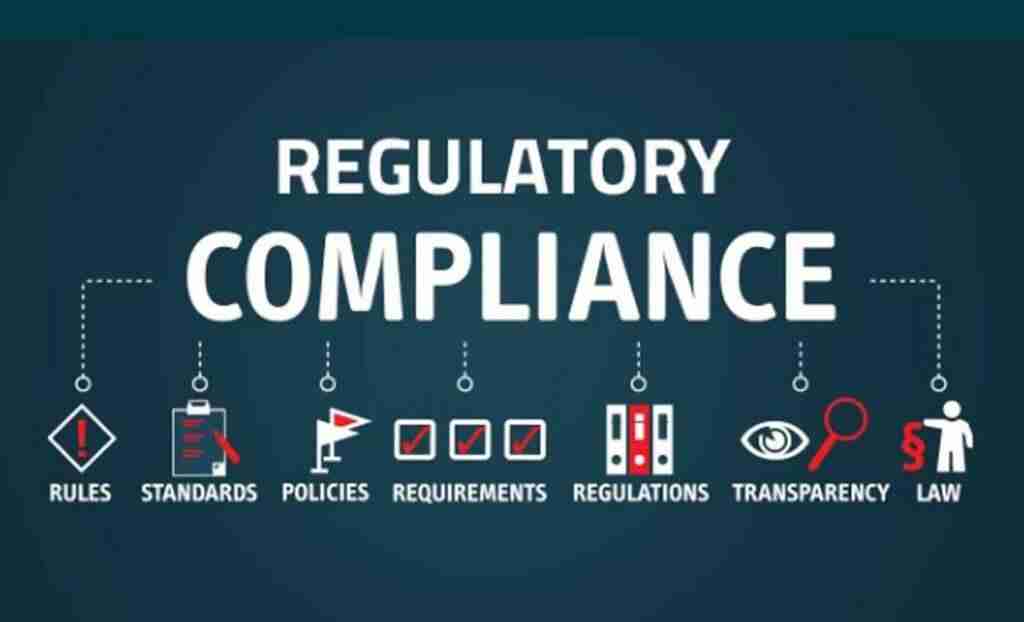
Navigating Regulatory Requirements and Compliance Strategies
When embarking on the journey of establishing a 2-ton rice mill plant, understanding the maze of regulatory requirements is crucial to ensure a smooth launch and sustainable operation. Operators need to navigate through various regulatory frameworks, such as environmental guidelines, food safety standards, and labor laws. Areas to focus on include:
- Environmental Compliance: Ensure adherence to local regulations regarding emissions, waste disposal, and water usage.
- Food Safety Standards: Implement practices required by health authorities to ensure safe processing of rice.
- Labor Regulations: Abide by labor laws, including worker safety, wages, and conditions.
Engaging with legal experts and regulatory bodies early in the process can provide critical insights into compliance strategies. It’s advisable to create a check-list that encompasses necessary permits, inspections, and certifications. This will help in tracking progress and ensuring that no requirement is overlooked. Below is a simplified overview of common compliance elements:
| Compliance Element | Description | Frequency |
|---|---|---|
| Environmental Permit | Required for land use and resource consumption | Annual Review |
| Food Safety Certification | Ensures the milling process meets safety standards | Biannual Audit |
| Worker Safety Compliance | Protects employee health and safety | Quarterly Inspection |
Innovative Marketing Approaches for a Green Rice Business
To truly capitalize on the burgeoning market for sustainable agriculture, a green rice business must adopt innovative marketing strategies that emphasize its eco-friendly practices. One effective approach is storytelling; by sharing the journey from planting to milling, businesses can create a personal connection with consumers. Highlighting the environmental benefits of organic rice production not only builds brand loyalty but also educates customers about the importance of sustainability. Using social media campaigns can amplify these stories—leveraging visuals of lush fields and environmentally-friendly processes to engage audiences and spark conversations around sustainability in agriculture.
In addition, collaborating with local chefs and restaurants can create a unique promotion platform. Consider organizing farm-to-table events where customers can experience the rice in its best form while learning about its sustainable origins. Such partnerships can be further enhanced through green loyalty programs, rewarding customers for their choice to support eco-friendly products. Below is a simple overview of potential marketing tactics for the green rice business:
| Marketing Tactic | Description |
|---|---|
| Storytelling | Share the journey of your rice, from seed to table, highlighting sustainability. |
| Social Media Campaigns | Utilize platforms to showcase the farming process and connect with potential customers. |
| Farm-to-Table Events | Partner with local restaurants to create events celebrating sustainable eating. |
| Green Loyalty Programs | Reward customers who choose eco-friendly products with discounts or special offers. |
To Conclude
In the grand tapestry of sustainable development, the launch of a 2-ton rice mill plant emerges as a bright thread woven with potential. By combining innovative practices with a deep respect for the environment, this venture not only addresses the pressing need for efficient food processing but also champions the principles of sustainability and community growth. As we turn the page on industrial practices that harm our planet, this rice mill represents a shift towards a more responsible approach to agriculture, where every grain processed contributes to the well-being of both the local economy and the earth.
As we chart this new course, the journey ahead promises to be one of resilience and resourcefulness. With ongoing advancements and a commitment to sustainable practices, the future of rice milling can be brightened, ensuring that every harvest meets not just the needs of today but also nourishes generations to come. Let us embrace this venture, for it is more than just a facility; it is a beacon of hope, a testament to what can be achieved when innovation meets sustainability. Together, we can cultivate a greener, more equitable world—one grain at a time.




