
In the bustling heart of agrarian landscapes, where the golden waves of rice paddies stretch towards the horizon, lies an opportunity ripe for exploration—a 2-ton rice mill plant. This venture not only signifies a leap towards modern agricultural practices but also embodies the essence of sustainability in today’s eco-conscious world. With increasing demand for rice and a burgeoning focus on responsible farming, launching a rice mill plant becomes more than just a business opportunity; it is a commitment to enhance food security, empower local farmers, and promote environmentally friendly processing techniques. In this article, we will delve into the multifaceted aspects of establishing a rice mill plant, uncovering the logistical, financial, and ecological layers involved. Join us as we explore how this sustainable investment can transform both the agricultural landscape and the livelihoods of communities, fostering growth in harmony with nature.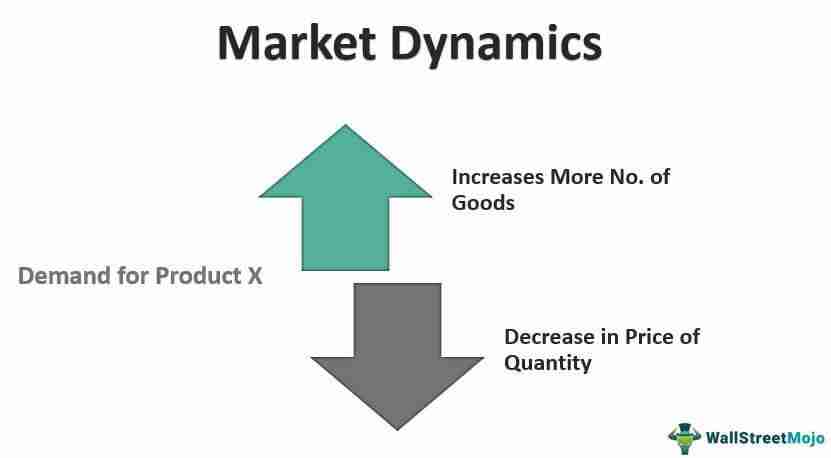
Understanding the Market Dynamics for Rice Processing
The rice processing market is influenced by a variety of factors that shape its growth potential and sustainability. Key elements include the increasing global demand for rice, advancements in processing technology, and shifts in consumer preferences toward organic and healthier food options. As urban populations expand, the demand for ready-to-cook rice products is on the rise, prompting new players to enter the market. Additionally, government policies promoting agricultural productivity and sustainability are creating favorable conditions for investments in rice milling operations. These dynamics not only ensure a steady supply of finished products but also encourage innovations aimed at minimizing waste and maximizing efficiency.
Moreover, understanding the competitive landscape is crucial for any new rice mill plant. Factors such as production costs, local supply chains, and distribution networks play a vital role in determining market position. Collaborations with local farmers and suppliers can enhance sourcing efficiency and bolster community ties, resulting in mutual benefits. Below is an overview of some important considerations for new entrants in rice milling:
| Factor | Considerations |
|---|---|
| Production Costs | Evaluate machinery investments, labor expenses, and utilities. |
| Supply Chain | Create partnerships with local farmers for consistent supply. |
| Market Trends | Monitor shifts towards organic and specialty rice products. |
Innovative Technologies for Efficient Rice Milling Operations
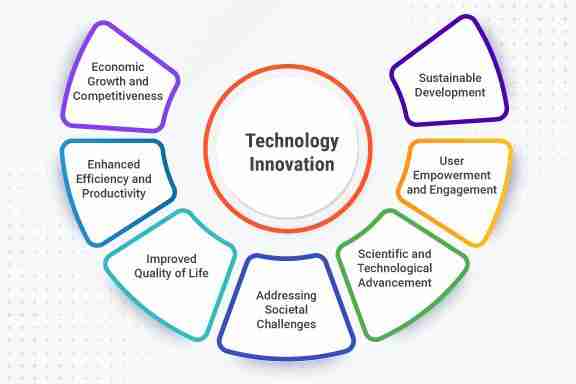
The evolution of rice milling has been transformed by cutting-edge technologies that not only enhance productivity but also promote sustainability. Innovative sensor-based systems now facilitate real-time monitoring and automation, allowing mill operators to optimize the milling process. These systems enable precise quality control, ensuring that the end product meets high standards. Additionally, integrated energy-efficient machinery reduces power consumption significantly, aligning with eco-friendly practices while decreasing operational costs. Such advancements contribute to a more sustainable approach, making rice milling not only a profitable venture but also a responsible one.
Moreover, the adoption of digital platforms in rice milling operations is setting new benchmarks in efficiency. By leveraging cloud computing and data analytics, millers can assess performance metrics and streamline supply chain management. The integration of blockchain technology further enhances transparency in sourcing and traceability, instilling confidence among consumers about the origins of their rice. Below is a simple comparison of traditional and modern rice milling technologies:
| Aspect | Traditional Milling | Modern Milling |
|---|---|---|
| Energy Consumption | High | Low |
| Automation | Minimal | Advanced |
| Quality Control | Manual | Automated |
| Supply Chain Transparency | Limited | Enhanced |
Sustainability Practices in Rice Milling: A Green Approach
Embracing sustainability in rice milling goes beyond merely reducing environmental harm; it paves the way for a future where economic viability and ecological stewardship coexist harmoniously. A 2-ton rice mill plant can incorporate practices that minimize waste and energy use while maximizing efficiency. Key strategies include:
- Utilization of Renewable Energy: Integrating solar panels or biomass energy systems to power mill operations reduces reliance on fossil fuels.
- Water Conservation Techniques: Implementing rainwater harvesting systems and recycling wastewater for cleaning and processing can significantly lower water consumption.
- Waste Management Solutions: Transforming by-products, such as husks and bran, into value-added products like bioenergy or livestock feed minimizes landfill waste.
Moreover, modern rice milling technologies have now focused on enhancing resource efficiency. For instance, mills can adopt low-emission equipment and streamline their processes to reduce energy use. The following table illustrates some innovative technologies and their sustainability impacts:
| Technology | Benefits |
|---|---|
| Low-Pressure Steam Technology | Reduces energy consumption by up to 30% while maintaining quality. |
| Husk Gasification Systems | Converts rice husks into clean energy, significantly lowering waste. |
| Automation & Smart Sensors | Optimizes milling operations for precise energy use and improved yield. |
By implementing such sustainable innovations, investors not only contribute to a greener planet but also position their rice milling operations for long-term profitability in a rapidly evolving market. The shift towards sustainability-driven practices is not just an ethical choice; it’s a pathway to resilience and competitive advantage in the rice industry.
Financial Projections and Funding Strategies for Your rice mill plant
Understanding the financial landscape is crucial when embarking on the journey of establishing a rice mill plant. To ensure long-term viability and profitability, detailed financial projections should encompass capital expenditures, operational costs, and expected revenue streams. Consider the following elements in your planning process:
- Initial Capital Investment: Calculate the costs associated with machinery, land, and facility setup.
- Operational Expenses: Estimate ongoing costs such as labor, utilities, and maintenance.
- Revenue Forecasting: Analyze market demand to project income from rice processing and potential byproducts.
Funding strategies play a significant role in transforming your rice mill idea into reality. Diverse sources of funding can bolster your capital structure and mitigate financial risks. Explore these options:
- Bank Loans: Traditional loans can provide substantial initial capital if you have a solid business plan.
- Government Grants: Research available grants aimed at agricultural development and sustainability.
- Private Investors: Attracting partners who share your vision can enhance both funds and expertise.
| Funding Source | Pros | Cons |
|---|---|---|
| Bank Loans | Substantial capital | Interest payments |
| Government Grants | No repayment required | Highly competitive |
| Private Investors | Access to industry experience | Possible loss of control |
Insights and Conclusions
As we conclude our exploration of launching a 2-ton rice mill plant, it’s clear that this endeavor is more than just a business venture; it is a step toward fostering sustainable agricultural practices and promoting local economies. By harnessing the power of technology and innovation, aspiring entrepreneurs can play a crucial role in enhancing food security while minimizing environmental impact.
The journey of establishing a rice mill plant is laden with challenges and opportunities alike. Careful planning, diligent research, and a commitment to sustainability are essential components that will not only pave the way for a successful operation but also contribute to the broader goal of sustainable development.
As we look to the future, the potential benefits extend beyond profit margins to include community empowerment, job creation, and the promotion of responsible resource management. Ultimately, investing in a rice mill plant is an investment in the health of our planet and the prosperity of our communities. With this understanding, we encourage you to take the first step towards making this vision a reality—because the seeds of change are ready to be sown.




