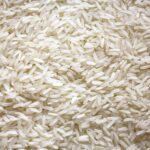
In the heart of rural communities, where fields of golden rice sway gently in the breeze, the promise of growth and sustainability is often intertwined with the tools we choose to harness nature’s bounty. The launching of a 2-ton rice mill plant represents more than just a technological advancement; it signifies a pivotal step toward economic development, food security, and empowerment for local farmers. As smallholder growers strive to elevate their produce from farm to market, this venture embodies the hope of transforming raw grains into nutritional staples, generating employment opportunities, and bolstering a resilient agricultural sector. In this article, we explore the journey of establishing a rice mill plant, examining its potential impact on both the community and the broader economy, and celebrating the role of innovation in driving progress forward. Join us as we delve into the strategies, challenges, and triumphs that accompany this significant milestone in the quest for agricultural growth.
Understanding the Market Demand for Rice Milling Solutions
In the ever-evolving landscape of agriculture, the demand for rice milling solutions has gained traction due to several critical factors. The increasing global population paired with the growing preference for processed food products has significantly boosted the need for efficient rice milling operations. Moreover, the trend towards sustainability and quality assurance has pushed agricultural sectors to seek modern machinery that offers better yield and less wastage. With a 2-ton rice mill plant, entrepreneurs can tap into lucrative markets, ensuring that quality rice is available while simultaneously supporting local economies.
As rice remains a staple food in numerous cultures worldwide, the potential for expansion within this industry is substantial. Rice milling solutions now focus on integrating technology to enhance processing efficiency and reduce energy consumption. Additionally, the importance of maintaining consistency in grain quality is paramount, driving the need for sophisticated milling equipment. Investing in a 2-ton rice mill plant not only caters to local demand but also positions operators to explore wider markets. With the right strategies, such as effective marketing and customer engagement, businesses can establish a strong foothold in a sector ripe for innovation and growth.
Key Considerations for Site Selection and Plant Design
Choosing the right location and designing the plant layout are critical steps that can significantly impact the efficiency and profitability of a rice mill operation. Proximity to Supply Sources is essential; selecting a site near rice-producing areas ensures fresher stock and reduces transportation costs. Additionally, consider Accessibility to Transportation networks, including roads and ports, which will facilitate the smooth movement of raw materials and finished products. Furthermore, it’s advisable to assess the Availability of Utilities, such as water, electricity, and waste management facilities, as these are vital for smooth operations and compliance with regulatory standards.
When it comes to plant design, optimal Workflow Layout is key to maximizing productivity. Implementing a design that ensures seamless movement between processing stages can reduce downtime and enhance operational efficiency. Investing in Energy Efficiency measures, such as modern machinery and renewable energy sources, can lead to significant long-term savings. Additionally, integrating Safety Protocols into the design process is crucial to minimize risks for workers and safeguard machinery. Keeping these considerations in mind will lay a strong foundation for a successful rice milling operation.

Investment Strategies and Financial Planning for Sustainable Growth
In the pursuit of launching a successful 2-ton rice mill plant, mapping out effective investment strategies is essential to ensure sustainable growth. Identifying potential sources of financing and diversifying funding options can build a solid financial foundation. Consider the following avenues:
- Bank loans and credit facilities – Traditional options that often come with structured repayment terms.
- Investors and venture capital – Engaging with stakeholders who share a vision for sustainable agricultural practices.
- Government grants and subsidies – Programs designed to support agricultural projects may offer financial assistance tailored to startups.
- Crowdfunding platforms – Leveraging community support to gather small contributions can create a sense of ownership and commitment.
Moreover, it is crucial to develop a financial plan that encompasses both short-term and long-term objectives. A well-crafted budget can lead to informed decisions about operational expenditures, equipment purchases, and workforce training. Regularly evaluating key performance indicators (KPIs) will allow for adjustments in strategies. Below is a sample table to illustrate potential monthly operating costs for a rice mill:
| Expense Category | Estimated Cost (USD) |
|---|---|
| Raw Materials | $5,000 |
| Labor | $3,000 |
| Utilities | $1,500 |
| Maintenance | $800 |
| Marketing | $700 |
With a thorough plan emphasizing both calculated investments and disciplined financial oversight, aspiring entrepreneurs can nurture their rice mill ventures into profitable growth engines, positively impacting local communities and contributing to food security.
Best Practices for Operating Efficiency and Quality Control
To maximize productivity and maintain high standards in a 2-ton rice mill plant, it’s essential to establish a robust framework that ensures seamless operations. Implementing an effective workflow is key; this can be achieved by streamlining processes and minimizing downtime. Key strategies include:
- Regular Equipment Maintenance: Schedule frequent checks and upkeep to prevent breakdowns.
- Employee Training: Provide consistent training focused on safety and efficiency.
- Process Automation: Invest in technology to automate repetitive tasks, reducing human error.
- Data Monitoring: Utilize software systems to track production metrics in real-time.
In addition to operational efficiency, stringent quality control measures are vital for product consistency and business reputation. Establishing clear quality benchmarks and routine inspections can significantly enhance output quality. Essential practices to consider include:
- Raw Material Inspection: Ensure all rice brought into the plant meets predefined quality standards.
- In-Process Quality Checks: Implement checkpoints throughout the milling process to catch defects early.
- Final Product Evaluation: Conduct thorough assessments of the finished rice to check for cleanliness, moisture, and quality.
- Customer Feedback: Review and adapt procedures based on customer experiences and product satisfaction surveys.
Concluding Remarks
As we wrap up this exploration of launching a 2-ton rice mill plant, it becomes clear that this venture is not merely an operational endeavor but a significant step towards fostering growth within the agricultural sector. The journey from conception to execution encompasses meticulous planning, resource mobilization, and a commitment to quality and sustainability. By investing in such an initiative, entrepreneurs not only contribute to local economies but also promote food security and agricultural innovation.
As you embark on your own mill plant journey, remember that every great achievement begins with a single seed of an idea. Cultivating that idea with diligence, foresight, and an unwavering dedication to excellence will yield not only profit but also a lasting impact on your community. Here’s to the future of milling—a future where tradition and technology meet, paving the way for prosperity and progress.