
Introduction:
In the heart of agricultural innovation lies a crucial cornerstone of food security and economic stability: the rice mill. As one of the world’s staple crops, rice holds a significant place in the daily lives of billions, making the establishment of a rice mill an endeavor not only of personal ambition but also of communal impact. If you’re considering launching a 2 ton rice mill plant, you’re about to embark on an exciting journey that intertwines tradition with technology and entrepreneurship with sustainability.
This comprehensive guide is designed to walk you through every essential aspect of setting up your rice mill. From understanding the intricacies of rice processing to navigating the regulatory landscape and assessing the market demands, we will explore the key components that contribute to a successful rice mill operation. Whether you are a seasoned entrepreneur or a first-time business owner, our insights aim to equip you with the knowledge and tools necessary to turn your vision into reality. As you lay the groundwork for your rice mill plant, let us delve into the myriad of opportunities that await in this robust sector.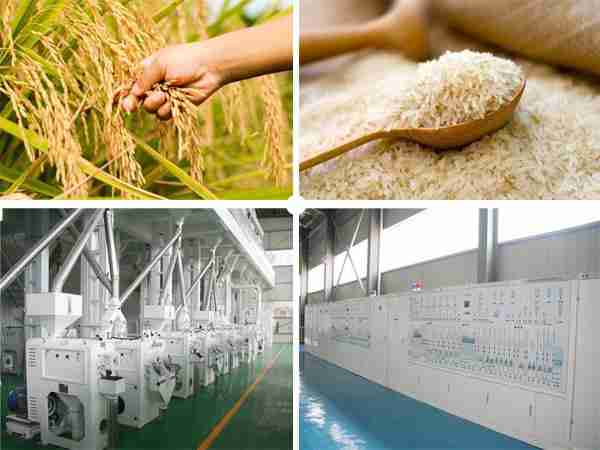
Understanding the Fundamentals of Rice Milling Technology
Rice milling technology is a crucial aspect of the rice processing industry, transforming paddy into the polished grains that consumers desire. The milling process involves several stages, each playing a vital role in enhancing the quality and value of the final product. Key components of rice milling include:
- Pre-cleaning: This initial stage removes impurities such as stones, dust, and other foreign materials from paddy.
- Husking: In this phase, the tough outer husk is removed, transitioning the paddy into brown rice.
- Milling: The brown rice is further processed to remove the bran and germ, producing white rice.
- Polishing: This final step enhances the appearance of the rice, making it more appealing for consumers.
Understanding these fundamental stages is essential for anyone looking to establish a successful rice mill plant. Each step requires specific machinery and technology to optimize production efficiency while maintaining high-quality standards. Additionally, factors such as the quality of raw materials and the choice of milling equipment can significantly impact the yield and grade of the final product. It’s also important to keep in mind that modern rice milling technology often incorporates:
- Automation: Reducing manual labor and increasing operational efficiency.
- Quality Control Systems: Ensuring consistent output through advanced monitoring techniques.
- Waste Management Solutions: Minimizing byproducts and maximizing sustainability.
Navigating the Planning and Design Process for Your Mill Plant
When embarking on the journey of establishing a rice mill plant, a well-structured planning and design process is crucial for achieving a successful outcome. Early stages should involve thorough market research to determine the demand for rice in your target area. Additionally, consider the operational capacity your mill needs, which hinges on both the market demand and your available resources. Engage with local agricultural experts and potential customers to gather insights that will inform your design choices.
Next, focus on creating a practical layout that maximizes efficiency and minimizes waste. This can be achieved by considering aspects such as workflow efficiency, adequate storage facilities, and compliance with local regulations. A robust layout will not only streamline production but also facilitate ease of maintenance. Remember to allocate space for future expansion; a scalable design is essential for adapting to growing market needs. Below is a simple table showcasing essential components of your mill plant design:
| Component | Purpose |
|---|---|
| Receiving Area | For raw material intake and inspection |
| Milling Section | Core operation for processing rice |
| Storage Facilities | To store raw rice and finished products |
| Packaging Area | For bottling and labeling products |
Essential Equipment and Machinery for Efficient Rice Processing
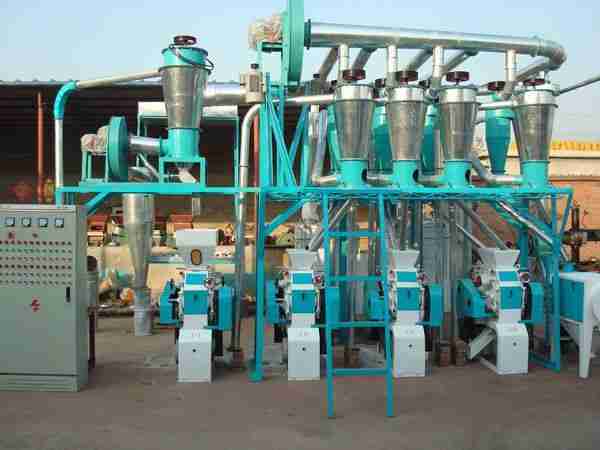
When embarking on the journey of establishing a rice mill plant, selecting the right equipment is crucial for optimizing production and maintaining quality. Your setup will typically include essential machinery such as huskers, milling machines, and polishers. These devices not only ensure the efficiency of the processing line but also preserve the integrity of the rice grains. For instance, modern huskers are designed to remove the husks without damaging the rice, thereby enhancing overall yield. Additionally, incorporating de-stoners and screen separators into your assembly line is recommended to ensure that any impurities are efficiently removed, resulting in a cleaner product ready for distribution.
Furthermore, investing in appropriate storage solutions is equally important. The rice processing facility should include bin storage systems that maintain ideal humidity and temperature levels to extend the shelf life of the processed grains. The following table outlines key machinery along with their primary functions:
| Equipment/Machinery | Function |
|---|---|
| Huskers | Remove husks from harvested rice. |
| Milling Machines | Process rice into milled grains. |
| Polishers | Enhance grain appearance and quality. |
| De-stoners | Eliminate stones and impurities. |
| Bin Storage Systems | Store grains under optimal conditions. |
In addition to these, implementing automated packaging and weighing systems will streamline your operations further, facilitating quick and precise distribution. Selecting energy-efficient models can also help reduce operational costs while supporting sustainable practices. the right combination of innovative technology and traditional processing methods will set a solid foundation for a successful rice mill plant.
Key Considerations for Operational Management and Sustainability
When establishing a rice mill plant, operational management must integrate both efficiency and sustainability to create a lasting impact in the agricultural sector. Implementing best practices such as waste reduction, resource optimization, and energy efficiency becomes essential. Consider these factors to enhance your plant’s operational framework:
- Supply Chain Management: Streamlining the supply chain can lead to reduced operational costs and improved productivity. Establish strong relationships with local farmers to ensure a steady supply of paddy.
- Process Automation: Invest in machinery that automates processes from milling to packaging to maximize output and minimize manual labor.
- Training and Development: Equip your workforce with the necessary skills to operate machinery efficiently and safely, fostering a knowledgeable team.
Moreover, sustainability should be at the forefront of operational strategies to meet consumer demands for environmentally friendly practices. Implementing green technologies, such as renewable energy sources and water recycling systems, can significantly reduce the ecological footprint of your rice mill. Key sustainability practices to adopt include:
- Waste Management: Developing a system for managing by-products, such as husk and bran, can lead to alternative revenue streams.
- Water Conservation: Utilize technologies like drip irrigation to minimize water usage in the paddy cultivation phase.
- Community Engagement: Partner with local authorities and communities to promote sustainable agricultural practices and raise awareness about environmental issues.
| Factor | Benefit |
|---|---|
| Process Automation | Increased efficiency and reduced labor costs |
| Renewable Energy | Lower operational costs and reduced carbon footprint |
| Waste Management | Alternative revenue from by-products and reduced landfill use |
Final Thoughts
embarking on the journey of launching a 2 ton rice mill plant is an exciting venture filled with potential and opportunity. As we have explored throughout this guide, the process involves careful planning, strategic investment, and a keen understanding of both market dynamics and operational logistics. From selecting the right location and machinery to navigating regulatory requirements and ensuring quality control, each step plays a crucial role in establishing a successful rice milling operation.
As you step into this endeavor, remember that each challenge can become a stepping stone toward success. Embrace the learning curves, stay adaptable, and let innovation drive your business forward. By prioritizing efficiency, sustainability, and customer satisfaction, you can not only meet the demands of the market but also contribute positively to the agricultural landscape.
This comprehensive guide serves as a solid foundation, but the true journey begins with your vision and determination. May your rice mill plant flourish, providing not only a livelihood for you and your team but also nourishing countless lives beyond your community. Here’s to your success in this rewarding agricultural industry!




