
Launch Your Success: The 2 Ton rice mill plant Project
In the bustling landscape of agriculture and food production, the rice mill stands as a pivotal player, transforming raw grains into essential sustenance for millions. The “Launch Your Success: The 2 Ton rice mill plant Project” invites aspiring entrepreneurs and seasoned investors alike to explore an innovative venture that transcends traditional farming practices. This project not only aims to streamline rice processing but also to empower communities by creating jobs, boosting local economies, and promoting sustainability. As we embark on this journey, we delve into the intricacies of establishing a 2-ton rice mill plant, uncovering the potential it holds for transforming ambitions into tangible success. Join us as we explore the steps, challenges, and rewards of this promising initiative, setting the stage for a future rich in opportunity.
Unlocking Potential in Agribusiness with a Rice Mill Plant
Investing in a rice mill plant is an exceptional opportunity to harness the abundant potential of agribusiness. With the global rise in rice consumption and the increasing demand for quality grains, establishing a rice mill can be a lucrative venture. A 2-ton rice mill plant not only offers the advantage of processing locally-sourced paddy, but it also empowers smallholder farmers by providing them with an accessible market. By transforming their raw produce into finished products, you create a value chain that enhances economic stability for farmers and encourages sustainable farming practices.
The operational capabilities of a 2-ton rice mill plant are designed to optimize efficiency and return on investment. Key benefits include:
- Reduced wastage: With modern milling technology, the plant minimizes broken rice and ensures maximum yield.
- Enhanced productivity: Capable of processing up to two tons daily, it meets local demand while maintaining quality.
- Job creation: Establishing a rice mill creates employment opportunities in the community.
To further illustrate the economic impact, consider the following simple projection of potential earnings from a 2-ton rice mill plant:
| Item | Est. Units Processed | Price per Unit ($) | Total Revenue ($) |
|---|---|---|---|
| Rice (White) | 1,800 kg | 0.40 | 720 |
| Rice (Brown) | 200 kg | 0.50 | 100 |
With a projected revenue of approximately $820, the investment demonstrates its viability, all while playing a pivotal role in supporting the local agricultural ecosystem. This vision for agribusiness through a rice mill project is one that aligns economic advancement with community welfare, making it a pathway worth pursuing.
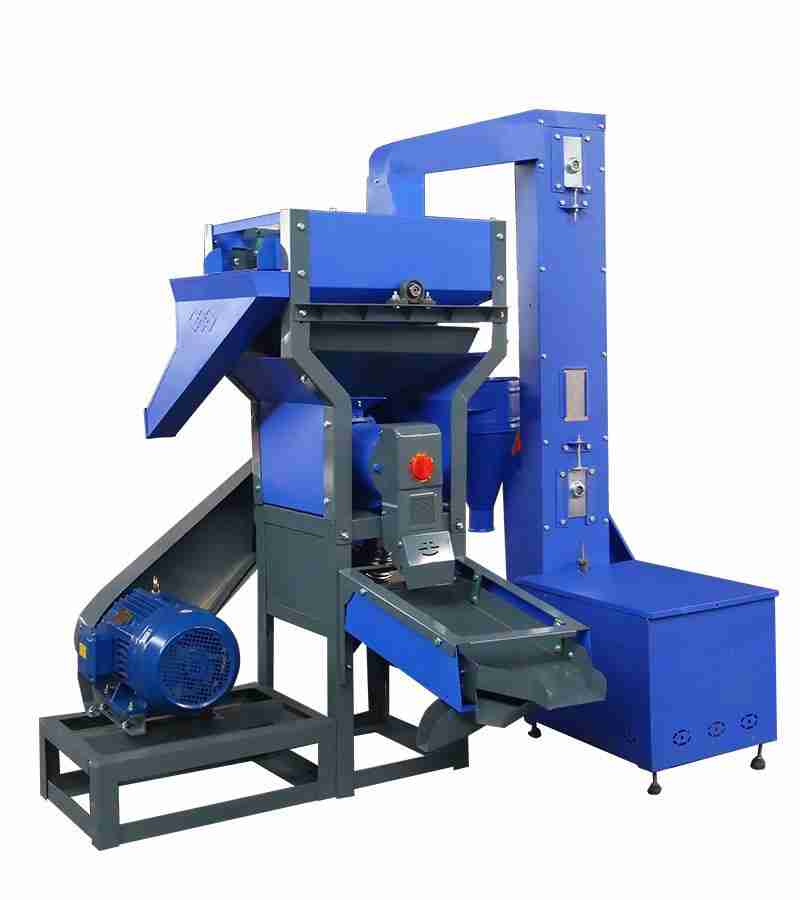
Key Components of a Successful rice mill plant Design
Designing a rice mill plant involves several crucial elements that contribute to its efficiency and productivity. First and foremost, a comprehensive understanding of the layout is essential. A well-organized facility allows for easy movement of raw materials and finished products, minimizing delays and enhancing operational flow. The key considerations for layout include:
- Workflow optimization: Establishing clear pathways for machinery and personnel to streamline operations.
- Space allocation: Ensuring adequate space for storage, machinery, and future expansion.
- Safety measures: Implementing safety protocols and designated zones to prevent accidents.
Another significant aspect is the choice of equipment. Selecting high-quality machinery tailored to your processing needs can drastically improve output and quality. Essential equipment might include a paddy separator, sheller, and rice whitener. When evaluating machinery, keep in mind:
| Equipment Type | Function | Efficiency |
|---|---|---|
| Paddy Separator | Separates paddy from brown rice | 99% |
| Sheller | Removes husk from rice grains | High output |
| Rice Whitener | Improves rice appearance and texture | Consistent quality |
Incorporating these components will drastically enhance the overall performance and profitability of your rice milling operation.

Strategies for Maximizing Efficiency and Profitability
To ensure the success of your 2 ton rice mill plant, implementing effective strategies is essential for boosting both efficiency and profitability. Start by embracing automation at key stages of the milling process. This not only reduces manual labor but also minimizes human error, leading to higher consistency in output quality. Additionally, consider streamlining your supply chain management by establishing strong relationships with local farmers and suppliers. This can lead to better pricing, fresher raw materials, and reduced transportation costs.
Investing in staff training programs is another pivotal strategy. Well-trained employees can operate machinery more effectively and can also identify potential issues before they escalate, saving time and resources. Moreover, regularly monitoring and analyzing production data can provide insights into performance bottlenecks. Using this data for continuous improvement can increase productivity. focusing on these areas fosters an environment where innovation flourishes, ultimately driving your plant’s growth and success.
| Strategy | Benefit |
|---|---|
| Automation | Reduces labor costs and errors |
| Strong Supplier Relationships | Lower costs and fresher materials |
| Staff Training | Increased productivity and less downtime |
| Data Analysis | Identifies bottlenecks for continuous improvement |
Navigating Challenges in the Rice Milling Industry
Operating a rice milling plant presents a myriad of challenges that can hinder the path to success. Business owners must navigate issues such as fluctuating raw material costs, varying quality of paddy, and labor management. To overcome these hurdles, it’s essential to establish strategies that enhance operations and optimize production efficiency. Key approaches can include:
- Quality Control: Implement rigorous standards for sourcing and processing paddy to ensure only the best grains enter the milling process.
- Technology Utilization: Invest in modern milling equipment and technology that reduce waste and improve output.
- Workforce Training: Regular training programs can equip employees with the latest techniques and safety protocols, enhancing both productivity and morale.
Additionally, keeping an eye on market trends and consumer preferences is vital for any rice milling operation. Establishing strong relationships with suppliers and distributors can provide flexibility in sourcing and selling, helping to stabilize profits. A well-structured business model should include:
| Aspect | Importance |
|---|---|
| Supply Chain Management | Ensures consistent quality and timely delivery of raw materials |
| Marketing Strategy | Helps reach and capture the target audience effectively |
| Financial Planning | Enables better forecasting and management of funds |
In Retrospect
the “Launch Your Success: The 2 Ton rice mill plant Project” stands as a testament to the immense potential nestled within the agribusiness sector. By empowering entrepreneurs with the knowledge, resources, and cutting-edge technology necessary to embark on this venture, we pave the way for sustainable growth and prosperity. The journey of establishing a rice mill is not merely about production; it is about fostering community development, enhancing food security, and building resilient economic landscapes. As you contemplate this project, remember that your success can transform not only your future but also the lives of countless individuals connected to the rice supply chain. Embrace this opportunity, harness your ambition, and let the grains of success take root in your entrepreneurial endeavors. Here’s to your next big step toward a thriving business!




