
In the bustling world of agriculture, there exists a hidden gem that feeds millions across the globe – rice. Amidst the vast rice paddies and fields, lies a crucial component that ensures this staple reaches our plates – the rice mill plant. This article delves into the fascinating world of harvesting gold, exploring the intricate workings of these essential machinery that play a pivotal role in the production of one of the world’s most beloved grains. Join us on a journey through the world of rice mill plants, where innovation meets tradition in the pursuit of nourishing the world.
Exploring the Benefits of Rice Mill Plants
Rice mill plants are a crucial component of the agricultural industry, offering a wide range of benefits to farmers, consumers, and the economy as a whole. One of the main advantages of rice mill plants is their ability to efficiently process and refine rice grains, providing high-quality products that are essential for a variety of culinary dishes around the world.
Aside from their role in food production, rice mill plants also contribute to sustainable farming practices by minimizing waste and maximizing productivity. By utilizing modern technology and innovative processes, these plants can help reduce the environmental impact of rice cultivation while ensuring a steady supply of this vital crop for global markets. With the demand for rice continuing to rise, the importance of rice mill plants in supporting food security and economic development cannot be understated.

Innovations in Rice Milling Technology
The advancements in rice milling technology have revolutionized the way rice is processed, increasing efficiency and quality across the industry. One of the most exciting innovations is the development of automated rice mill plants, which utilize cutting-edge machinery to streamline the milling process. These plants are equipped with state-of-the-art cleaning, dehusking, and polishing machines that ensure each grain of rice is perfectly processed.
With the introduction of sophisticated sorting and grading systems, rice mill plants can now produce rice with unparalleled precision and consistency. These systems use advanced algorithms to separate grains based on size, color, and quality, resulting in a final product that meets the highest standards. Additionally, the integration of modern packaging machinery allows for efficient packaging and distribution of the rice, ensuring that it reaches consumers in optimal condition. The combination of these innovations has truly transformed the rice milling industry, making it a goldmine of technological advancement.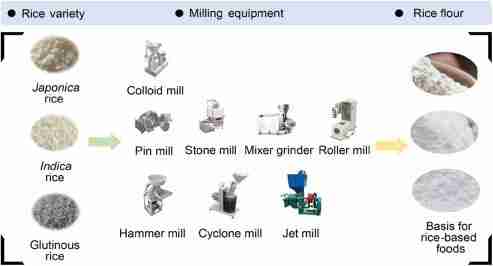
Sustainable Practices in Rice Milling Industry
Rice milling industry plays a crucial role in ensuring food security worldwide. By implementing sustainable practices in rice mill plants, we can not only reduce the environmental impact but also improve the efficiency of the milling process. One key sustainable practice is the use of solar energy to power operations, reducing reliance on non-renewable energy sources.
Another important aspect of sustainable rice milling is the proper management of by-products such as rice husk and bran. These by-products can be utilized for power generation or as animal feed, minimizing waste and maximizing resource efficiency. By incorporating technologies such as water recycling systems and energy-efficient machinery, rice mill plants can significantly reduce their carbon footprint and contribute to a more sustainable future for the industry.
Maximizing Efficiency and Quality in Rice Mill Plants
The world of rice mill plants is a fascinating and complex one, where efficiency and quality reign supreme. In order to truly excel in this industry, it is essential for mill owners to constantly seek ways to maximize their operations. By implementing innovative technologies and best practices, rice mill plants can not only increase their production output but also ensure the highest quality of rice for consumers.
One key aspect of is through the use of advanced machinery and automation. Investing in state-of-the-art milling equipment can dramatically improve the processing speed and accuracy of the plant, leading to higher yields and reduced waste. Additionally, implementing stringent quality control measures at every stage of the milling process can help ensure that only the finest grains make it to the market. By focusing on both efficiency and quality, rice mill plants can truly harvest gold in the competitive world of rice production.
In Summary
In conclusion, the world of rice mill plants is a fascinating and intricate one, where technology and tradition come together to bring us one of the most important staple foods in the world. From the initial planting of the seeds to the final harvesting of the golden grains, each step in the process is critical to ensuring a bountiful harvest. As we continue to strive for more efficient and sustainable methods of rice production, the future looks bright for this essential crop. So next time you enjoy a bowl of rice, take a moment to appreciate the intricate journey it took to reach your plate. Harvesting gold may not be easy, but with the dedication and innovation of the rice milling industry, we can continue to savor this precious grain for generations to come.




