
Exploring the Heart of Grain: The rice mill plant Journey
In the world of agriculture and food production, few staples hold as significant a place as rice. This humble grain, a dietary cornerstone for billions, undertakes a remarkable journey from paddy fields to dinner tables—a journey that, while often overlooked, is both intricate and vital. At the heart of this transformation lies the rice mill plant, a bustling hub where nature and technology converge to refine raw grain into the polished rice we know and love.
Embarking on this exploration, we will delve into the inner workings of a rice mill plant, revealing the processes that turn harvested rice into a culinary essential. From the rhythmic sounds of machinery to the aromatic clouds of freshly milled grain, our journey will unveil the commitment and innovation driving this essential industry. Join us as we traverse the stages of milling, uncover the challenges faced by millers, and appreciate the profound impact that a grain of rice has on cultures and cuisines around the globe.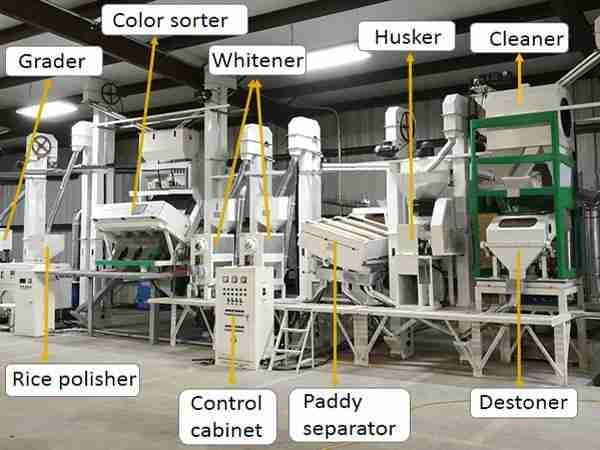
Understanding the Anatomy of a Rice Mill Plant
The anatomy of a rice mill plant is a finely-tuned symphony of engineering that transforms raw grains into the staple food cherished worldwide. At the core of this facility lies a series of interconnected components, each serving a vital function in the milling process. The cleaning section plays an integral role by removing impurities such as stones, husks, and dirt, ensuring that only the highest quality rice heads towards the next stages. After cleaning, the rice enters the hulling unit, which separates the rice grains from their outer husks, transitioning them into the first glimpse of polished white rice. This leads to the milling chamber, where the grains undergo further refinement, utilizing powerful machines that polish and grade the rice to perfection.
A well-designed rice mill plant features various components that can be categorized as follows:
- Pre-Milling Section: Handling initial cleaning and grading tasks
- Hulling Machine: Removing the external husk
- Milling Equipment: Polishing, whitening, and grading rice
- Grading and Packing Area: Sorting the rice into different grades and packaging them for distribution
To illustrate the importance of each part, consider the average processing capacity of key machinery within a rice mill:
| Equipment | Capacity (kg/hour) |
|---|---|
| Cleaning Machine | 1000 |
| Huller | 800 |
| Milling Machine | 600 |
| Packer | 500 |
This ecosystem of machines and processes illustrates the sophisticated architecture of a rice mill plant, emphasizing its role as the heart of grain processing and distribution.

The Milling Process Unveiled: Transforming Grain into Nourishment
The transformation of grain into nourishment begins with the careful selection of high-quality rice. At the heart of every rice mill plant, this initial step is vital to ensuring the integrity of the final product. Once the grains arrive, they undergo a thorough cleaning process to remove impurities, such as stones, husks, and dust. The path to perfectly milled rice involves several stages that highlight the intricate relationship between technology and tradition. With the aid of modern machinery, these stages include:
- Pre-cleaning: Removing foreign materials from the rice.
- Hulling: Separating the husk from the brown rice.
- Whitening: Polishing the brown rice to enhance its appearance.
- Sorting: Classifying the rice based on size and quality.
- Packing: Preparing the final product for distribution.
Each phase is meticulously executed to preserve the nutritional value and flavor of the rice, ensuring that every grain can reach its full potential as a staple food. The milling process is not just a mechanical operation; it is an art form that blends age-old techniques with modern advancements, employing various machines designed for efficiency. Here’s a glance at the equipment commonly found in a rice mill plant:
| Equipment | Function |
|---|---|
| De-stoner | Removes stones and heavy impurities |
| Huller | Removes the outer husk |
| Whitener | Polishes grains to remove bran |
| Sifter | Separates grains by size |
Sustainability in Rice Production: Eco-Friendly Practices for Modern Mills
In the journey of rice from field to plate, the importance of eco-friendly practices in milling cannot be overstated. Modern rice mills have begun to embrace sustainable methods that not only enhance efficiency but also minimize environmental impact. Some of the most effective practices in sustainability within the milling process include:
- Water Management: Implementing water-efficient milling systems helps reduce the consumption of this precious resource, promoting practices such as recirculating water systems.
- Energy Efficiency: Utilizing renewable energy sources like solar panels and biogas systems can significantly lower carbon footprints.
- Waste Utilization: Transforming byproducts such as husk and bran into valuable products, like biofuel and animal feed, turns waste into a resource.
Furthermore, the adoption of technology plays a pivotal role in fostering sustainability in rice production. Innovations such as precision milling can optimize grain quality while dramatically reducing waste. Farmers and millers can now track supply chain metrics in real-time, ensuring sustainable practices are upheld throughout the rice production journey. Here’s a snapshot of how technology contributes:
| Technology | Benefit |
|---|---|
| Precision Milling | Reduces waste by ensuring accurate grain processing. |
| Data Analytics | Improves resource allocation and reduces unnecessary energy consumption. |
| Automated Systems | Enhances efficiency, leading to less water and energy use. |
Future Innovations in Rice Milling: Embracing Technology for Efficiency
As the demand for rice continues to soar globally, the rice milling industry is witnessing a transformative phase fueled by advancements in technology. Modern rice mills are now equipped with intelligent systems and automated machinery that not only enhance processing efficiency but also ensure superior quality. With the integration of IoT (Internet of Things) devices, mills can monitor machinery performance in real-time, allowing for predictive maintenance and reduced downtime. Moreover, the adoption of AI-driven analytics can optimize milling processes by analyzing data on grain quality, moisture content, and external conditions, leading to a more refined product output.
Key innovations paving the way for the future of rice milling include:
- Smart Sorting and Grading: Utilizing laser technology and AI to improve the sorting process, ensuring only the highest quality grains make it through.
- Automated Packaging Systems: Streamlining the packaging process to reduce labor costs and increase the speed of distribution.
- Energy-Efficient Machinery: Implementing technologies that minimize energy consumption during milling without sacrificing performance.
To visualize the significance of these innovations, consider the following table showcasing the impact of technology on operational efficiency:
| Innovation | Efficiency Improvement | Environmental Impact |
|---|---|---|
| IoT Integration | 30% reduction in downtime | Lower carbon footprint |
| AI Analytics | 25% increase in yield | Optimized resource usage |
| Energy-Efficient Machines | 40% less energy consumption | Reduced waste generation |
Wrapping Up
As we conclude our exploration of the rice mill plant journey, we are reminded that the heart of grain is not merely a process—it is a tapestry woven from tradition, innovation, and the tireless commitment of many hands. Each stage of milling, from the gentle husking of grains to the precise polishing that gives rice its luster, tells a story of transformation and the relentless pursuit of quality.
In every grain, there lies potential, a promise nurtured within the rhythms of this industrious setting. By understanding the intricacies of the rice mill plant, we gain insight into the broader agricultural ecosystem, highlighting the significance of sustainability and the respect for the earth’s resources.
Whether you are a culinary enthusiast, an agricultural professional, or simply curious about the food that nourishes us, embracing the journey of rice from field to table not only enriches our appreciation but also ignites a sense of responsibility towards our global food systems. As we part ways, let us carry with us the knowledge that behind every grain of rice is a journey worthy of exploration—and an invitation to delve deeper into the stories that shape our world.




