Behind the Scenes: The evolution of Rice Mill Plants Today
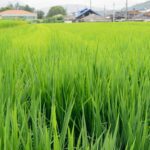
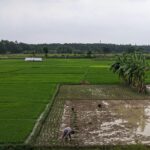
In the heart of agricultural landscapes, where golden fields sway gently under the weight of a bountiful harvest, rice stands as a staple that nourishes billions around the globe. Yet, the journey from husked grain to the packaged rice on our tables is a mesmerizing story of transformation adn innovation—an intricate dance that has evolved dramatically over the years. This behind-the-scenes exploration delves into the interesting evolution of rice mill plants, tracing their roots from traditional techniques to modern technological marvels. We will uncover how these facilities, once reliant on manual labor and simple machinery, have adapted to the demands of a growing population and the challenges of sustainability. Join us as we examine the pivotal changes that have shaped rice milling today, revealing how these plants not only play a vital role in food production but also in the intricate tapestry of global trade and environmental stewardship.
The Technological Revolution: Innovations Transforming Rice Milling Operations
The realm of rice milling has undergone a dramatic transformation over the past few years, driven by cutting-edge innovations that enhance efficiency and sustainability. Modern rice mill plants are integrating advanced machinery and software solutions, allowing them to optimize their operations like never before. Key advancements include:
- Automation Systems: Automated processes reduce human error and increase throughput, allowing mills to produce higher quantities of processed rice more consistently.
- IoT Connectivity: Smart sensors and IoT devices provide real-time monitoring of milling stages, enabling predictive maintenance and minimizing downtime.
- Energy-Efficient Equipment: New milling technologies focus on reducing energy consumption, which not only lowers operational costs but also aligns with global sustainability goals.
Moreover, data analytics has become an essential tool in modern rice milling. by leveraging big data, mill operators can fine-tune their processes, making informed decisions that ultimately enhance product quality and profitability. The incorporation of machine learning algorithms enables predictive analysis,identifying patterns in production that can lead to greater operational efficiencies. A glimpse into some of these metrics can be found in the table below:
| Metric | Traditional Mills | Modern Automated Mills |
|---|---|---|
| Average Yield (%) | 62% | 70% |
| Energy consumption (kWh/ton) | 120 | 80 |
| Labor Costs (% of Operational Costs) | 30% | 15% |
Sustainability in Rice Milling: Eco-Friendly Practices for modern Plants
In the quest for more sustainable practices, modern rice milling plants are embracing a variety of eco-friendly techniques. These initiatives not only aim to reduce the carbon footprint but also enhance the overall efficiency of milling processes. Among the strategies gaining traction are:
- Energy-efficient Machinery: Utilizing state-of-the-art equipment that consumes less energy while maximizing output.
- Water Conservation: Implementing advanced filtration and recycling systems to minimize water consumption during milling.
- Waste Management Innovations: Transforming by-products such as husks and bran into valuable resources,including biofuel and animal feed.
The commitment to sustainability is also reflected in the adoption of organic and environmentally friendly farming practices in the rice supply chain. By collaborating closely with local farmers, rice mills are ensuring that the grains they process come from crops grown without harmful pesticides or fertilizers. this synergy fosters a more holistic approach to production, illustrated in the following table:
| Practice | Impact |
|---|---|
| Organic Farming | reduced chemical runoff and improved soil health |
| Solar Energy Use | Lowered operational costs and diminished reliance on fossil fuels |
| Local Sourcing | Support for the local economy and reduced transportation emissions |
Such practices not only contribute to environmental sustainability but also satisfy the growing consumer demand for ethically produced rice. With collective efforts from rice mills and farmers, the industry paves the way towards a greener future, ensuring that the legacy of rice as a staple food remains intact while prioritizing environmental stewardship.
Workforce Dynamics: Skills and Training for a New Era of Rice Mill Workers
The modern landscape of rice milling has transformed dramatically, necessitating a workforce equipped with new skills and training. As technology continues to advance, the roles within rice mill plants are evolving, requiring workers to adapt to these changes. The integration of automation and digital technologies means that traditional roles are being supplanted by more specialized positions. To thrive in this new environment, workers must be adept in the following areas:
- Technical Proficiency: Familiarity with automated machinery and software systems.
- Data Analysis: Ability to interpret production data for efficiency improvements.
- Quality Control: Skills in assessing product quality through new techniques and standards.
- Safety Practices: Understanding of contemporary safety protocols and emergency response techniques.
Training programs tailored for new-age rice mill workers are essential for bridging the skill gap. Such programs need to focus not only on the technical aspects but also on fostering a culture of continuous learning. By implementing a structured training curriculum, rice mill plants can enhance workforce competency. Below is a simple overview of typical training modules:
| Training Module | Duration (Days) | Focus Area |
|---|---|---|
| machinery Operation | 5 | Hands-on equipment training |
| Data Management | 3 | Introduction to production software |
| Quality Control Techniques | 4 | Inspection procedures and standards |
| Safety Regulations | 2 | Workplace safety and accident prevention |
Through a commitment to skill enhancement and innovative training, the rice milling industry will prosper, empowering its workforce to not only meet the challenges of today but also to adapt to the demands of the future.
Future Trends: Adapting to Market Changes and Consumer Demands in Rice production
The landscape of rice production is witnessing transformative changes as mill plants adapt to the evolving market dynamics and consumer preferences. In a world increasingly driven by sustainability, rice mill operators are embracing eco-friendly technologies that minimize waste and reduce their carbon footprint. This shift not only meets regulatory requirements but also resonates with environmentally conscious consumers who prioritize sustainable agricultural practices. Key advancements include:
- Energy-efficient milling technologies that lower energy consumption.
- Agricultural waste utilization for bioenergy or composting purposes.
- Water recycling systems that cut down on resource usage.
- Precision agriculture methods, enhancing yield while minimizing inputs.
Moreover, market trends indicate a rising demand for specialized rice varieties, prompting mill plants to diversify their product offerings. As health-conscious consumers prioritize nutritional value, the focus has shifted to whole grain and organic rice options. To meet these demands, mills are investing in state-of-the-art sorting and packaging technologies that ensure product quality and enhance shelf appeal. This strategic pivot is showcased in the following table, reflecting the shift in production focus:
| Rice Variety | Market Demand (% Growth) | Production Focus |
|---|---|---|
| Brown Rice | 20% | Health & Nutrition |
| organic Rice | 30% | Sustainability |
| Wild Rice | 15% | Gourmet/Bistro Trends |
Insights and Conclusions
As we draw the curtain on this exploration of rice mill plants, it’s clear that the journey from traditional processing methods to modern technological advancements is both fascinating and essential. The evolution of these facilities underscores not just a transformation in the way we process one of the world’s most vital staples, but also a reflection of broader shifts in agriculture, sustainability, and innovation.
Today’s rice mill plants are more than just industrial hubs; they are intricate systems designed to harness cutting-edge technology while honoring time-honored practices. With increased efficiency, sustainability, and an eye toward the future, these plants stand at the forefront of food production, balancing the needs of growing populations with the imperative of environmental stewardship.As we look ahead, the continued evolution of rice milling will likely be shaped by emerging technologies, changing consumer demands, and global challenges. By keeping a pulse on these developments, stakeholders—from farmers to manufacturers to consumers—can ensure that the journey of rice from field to table remains not only productive but also sustainable and responsible.
in this ongoing narrative,the rice mill plant symbolizes the intersection of tradition and innovation,where every grain tells a story of resilience and adaptation. As we close this chapter, let’s carry forward the lessons learned and embrace the possibilities that lie ahead in the world of rice milling. After all, each step in this process contributes to the collective effort of feeding the world—and the journey is far from over.