
In a world where culinary traditions meet modern innovation, the rice polisher stands as a testament to the pursuit of perfection in the kitchen. This seemingly simple appliance has long been a staple in Asian households, embodying the age-old quest for the ideal grain—fluffy, fragrant, and free from impurities. Yet, despite its crucial role in transforming raw rice into a delectable centerpiece, many are unaware of the intricacies and benefits that a rice polisher brings to the table. In this article, we will delve into the fascinating mechanics behind this appliance, explore its variations, and discover how mastering the art of polishing rice can elevate your cooking experience. Join us as we unveil the secrets of the rice polisher and guide you on the journey to achieving the perfect grains.
Exploring the Science Behind Rice Polishing Techniques
Rice polishing techniques are both an art and a science, encompassing a variety of methods that enhance the grain’s flavor, texture, and nutritional profile. The process primarily involves the removal of the outer bran layer and polishing the grains to achieve a desired level of refinement. This is often done using traditional methods such as stone grinding or modern mechanical polishers that adjust pressure and speed to optimize the outcome. There’s a delicate balance between preserving the nutrients found in the bran and achieving the perfect grain that cooks to fluffy perfection. Here are some factors that influence the polishing process:
- Type of Rice: Different rice varieties respond uniquely to polishing techniques.
- Polishing Duration: The length of time the rice is polished can alter its appearance and taste.
- Moisture Content: Controlling moisture during polishing helps in achieving the desired texture.
To further understand the impact of various polishing techniques, it is helpful to consider the nutritional trade-offs involved. While milled and polished rice is often visually appealing and shelf-stable, it may lack some vital nutrients found in the bran. Advances in polishing technology aim to minimize nutrient loss while maintaining the classic qualities consumers expect. Below is a simple comparison of rice polishing methods:
| Polishing Method | Advantages | Disadvantages |
|---|---|---|
| Traditional Stone Grinding | Preserves flavor and nutrients | Time-consuming and labor-intensive |
| Modern Mechanical Polishers | Efficient and consistent | Potential nutrient loss depending on settings |
| Water Polishing | Gentle approach, less abrasive | Requires precise water management |

Understanding the Benefits of Using a Rice Polisher
Harnessing the power of a rice polisher can elevate the quality of rice, transforming ordinary grains into culinary treasures. This innovative appliance not only enhances the appearance of rice by polishing it, but it also offers several practical benefits that would appeal to both home cooks and professional chefs. By removing the outer layers, a rice polisher reveals a more refined grain that cooks evenly, boasting a delightful texture and aesthetic appeal. The end result is rice that is not only visually appealing but also more enjoyable to eat.
Furthermore, the benefits extend beyond mere aesthetics. A rice polisher can significantly improve nutrition by retaining essential nutrients often lost in the milling process. This appliance minimizes broken grains, ensuring that you get the most out of your purchase. Some key advantages include:
- Enhanced Flavor: Polished rice tends to have a milder flavor that pairs well with various dishes.
- Better Cooking Performance: Fewer broken grains lead to a more consistent cooking experience.
- Increased Shelf Life: Polished rice is less prone to spoilage, making storage easier.
To illustrate these benefits, consider the table below showcasing the differences between unpolished and polished rice in terms of texture and flavor:
| Type of Rice | Texture | Flavor Profile |
|---|---|---|
| Unpolished Rice | Coarse and sticky | Earthy and strong |
| Polished Rice | Smooth and fluffy | Mild and adaptable |
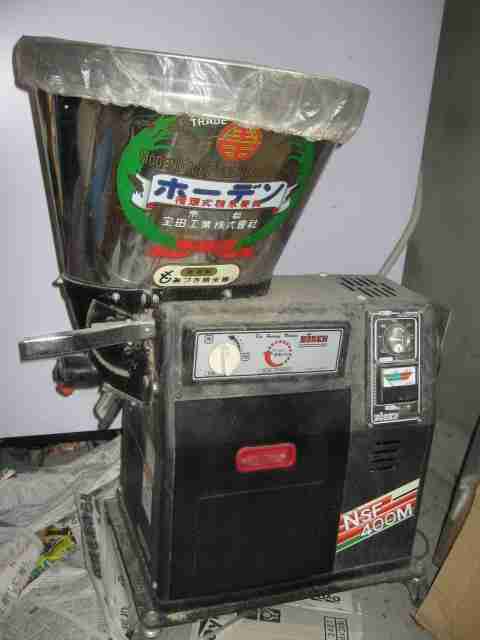
Choosing the Right Rice Polisher for Your Kitchen
When selecting a rice polisher, it’s essential to consider several factors that directly influence the quality of the grain and your cooking experience. Begin by assessing the capacity of the polisher—small, medium, or large. A compact model is ideal for smaller kitchens or families, while a larger capacity polisher suits those who frequently prepare rice in bulk. Additionally, prioritize durability and ease of cleaning; materials like stainless steel and non-stick components make a significant difference in maintenance and longevity. Furthermore, look for features such as adjustable polishing settings that allow you to customize the degree of polishing based on the rice type, ensuring that every grain is perfect for your dishes.
Another essential aspect to consider is the power source. Electric polishers offer convenience and efficiency but require counter space and access to an outlet. Conversely, manual options might appeal to those who relish traditional methods and have limited kitchen space. Set your budget to understand the range of options available, from affordable tabletop models to more advanced machines designed for serious culinary enthusiasts. To facilitate your decision-making, here’s a simple comparison of common rice polisher features to guide you:
| Feature | Manual Polisher | Electric Polisher |
|---|---|---|
| Capacity | Low | High |
| Maintenance | Easy | Moderate |
| Customization | Basic | Advanced |
| Price | Low | Varies |
By carefully evaluating these elements, you can select a rice polisher that aligns perfectly with your cooking habits and kitchen dynamics. The right choice not only enhances your culinary experience but also guarantees that every grain of rice achieves its ideal texture and flavor.
Mastering the Art of Perfect Rice Preparation
Perfecting rice is not just about cooking; it’s an art that combines tradition and technique, ensuring each grain is light, fluffy, and bursting with flavor. To start, it’s essential to select the right type of rice for your dish, as varieties such as basmati, jasmine, short-grain, or arborio bring distinct textures and aromas. After selection, rinsing the rice is crucial—it removes excess starch and prevents clumping. Generally, a good rule of thumb is to rinse it under cold water until the water runs clear, which can take several cycles but pays off with a more refined dish.
Next, the water-to-rice ratio and cooking method are key components in achieving that coveted texture. While the classic ratio is often 2 cups of water for 1 cup of rice, adjustments may be necessary based on the grain type and desired consistency. For a light and airy result, consider the following tips:
- Soaking: Soak the rice for 30 minutes prior to cooking, enhancing absorption.
- Simmering: Bring water to a rapid boil, then reduce to a simmer and cover for steam retention.
- Resting: Let the rice sit covered off the heat for 10 minutes post-cooking—this allows flavors to meld.
To illustrate these choices, the table below outlines some common rice types, their water ratios, and ideal cooking methods:
| Rice Type | Water Ratio | Cooking Method |
|---|---|---|
| Basmati | 1:1.5 | Boil and simmer |
| Jasmine | 1:1.25 | Absorption |
| Short-grain | 1:1.25 | Stovetop steaming |
| Arborio | 1:3 (gradual) | Risotto method |
Insights and Conclusions
the rice polisher emerges as a pivotal ally in the quest for perfect grains, elevating the humble rice experience to new heights. By understanding its mechanisms and integrating it into your culinary routine, you unlock a treasure trove of textures and flavors that can transform everyday meals into memorable feasts. As you stand at the crossroads of tradition and innovation, remember that every polished grain tells a story—one of cultural heritage, culinary artistry, and the simple pleasure of savoring food prepared with care. Whether you’re a home cook or a seasoned chef, embracing the rice polisher empowers you to honor the rice in your pantry, ensuring it shines in every dish. So, as you embark on this journey of refinement, may your table be graced with perfectly polished grains, bringing joy to your plate and warmth to your gatherings.




