
In the heart of every grain of rice lies a world of tradition, nourishment, and culinary potential. Yet, the journey from paddy to plate involves more than just harvesting; it requires a meticulous process that honors the grain’s integrity. Enter the rice polisher, a remarkable machine that transforms humble rice into a culinary delight, revealing its true essence. This article embarks on a journey to unveil the rice polisher—an unsung hero often shrouded in the shadows of the kitchen. We will explore its origins, mechanics, and the pivotal role it plays in enhancing both texture and flavor, while also examining its impact on rice quality and health. Join us as we delve into the intricate world of rice polishing, celebrating this grain’s best friend and the artistry behind one of the world’s most beloved staples.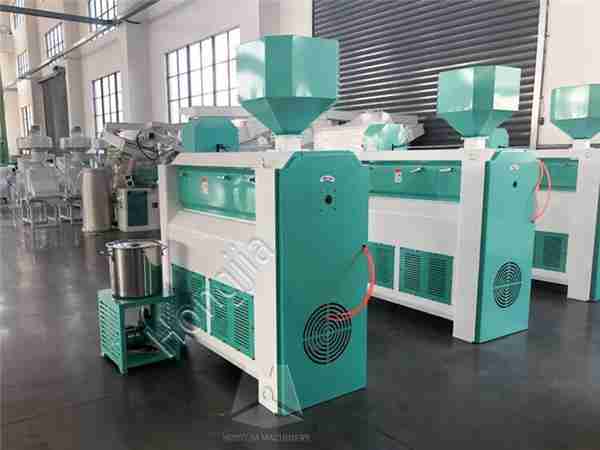
Exploring the Evolution of Rice Polishers and Their Impact on Grain Quality
The journey of rice polishers is a remarkable story of innovation and technological advancement in agrarian practices. Originally, traditional methods involved simple tools made from wood or stone, which were labor-intensive and yielded inconsistent results. As demand for polished rice surged, especially in urban markets, the rice polishing technology evolved drastically. Manufacturers began to explore materials and designs that could enhance efficiency and precision. Today’s rice polishers harness advanced engineering, utilizing components like stainless steel hoppers and automated control systems, ensuring that each grain is treated with care, thus reducing breakage and improving overall quality. This evolution has enhanced not only the aesthetic appeal of rice but also its nutritional profile, as gentle polishing can help retain essential nutrients that traditional methods often stripped away.
Moreover, the impact of modern rice polishers extends beyond mere grain quality; they also promote sustainability in rice production. By minimizing waste through effective polishing techniques, these machines optimize the use of resources while providing better yields. The benefits include:
- Improved Shelf Life: Polished rice has a longer shelf life, reducing food waste.
- Enhanced Market Value: Consumers are willing to pay more for high-quality rice.
- Consistent Quality: Automated machines ensure uniform polishing across batches.
To illustrate the significance of these advancements, consider the following table on efficiency improvements over the decades:
| Year | Polishing Method | Efficiency (kg/h) |
|---|---|---|
| 1950s | Manual Tools | 10 |
| 1980s | Mechanical Polishers | 50 |
| 2000s | Automated Systems | 200 |
As evident, technological strides in polishing methods have allowed for substantial increases in efficiency, drastically reshaping how rice is processed and enjoyed worldwide.
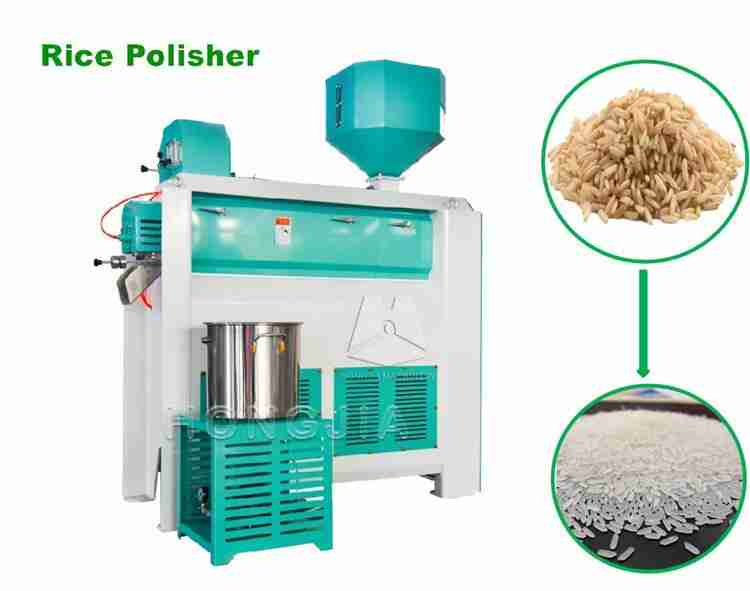
Understanding the Mechanisms: How Rice Polishers Enhance Flavor and Texture
The process of polishing rice is more than just a step in preparation; it plays a vital role in enhancing the overall quality of the grain. By carefully removing the outer layers, rice polishers offer a refined texture that allows the grains to cook evenly and absorb flavors more effectively. The mechanical action of polishing not only improves appearance but also contributes to a smoother mouthfeel, creating a more enjoyable eating experience. This transformation is crucial not just for aesthetic reasons but also for maximizing the flavor potential inherent in each grain.
Moreover, the technology behind rice polishers is designed to preserve the nutritional benefits while enhancing the sensory properties of the rice. Here are some key mechanisms that highlight how they achieve this:
- Gentle Abrasion: The use of soft, rotating pads minimizes damage to the grain surface.
- Controlled Temperature: Maintaining an optimal temperature during polishing prevents nutrient degradation.
- Moisture Management: Polishing machines often incorporate ways to regulate humidity, which can influence the final flavor profile.
- Consistent Sizing: Uniform grain size ensures that cooking times are predictable and flavors are evenly infused.
| Aspect | Effect |
|---|---|
| Texture Enhancement | Smoother, more tender grains |
| Flavor Release | Improved absorption of spices and seasonings |
| Nutritional Preservation | Retains vitamins and minerals |
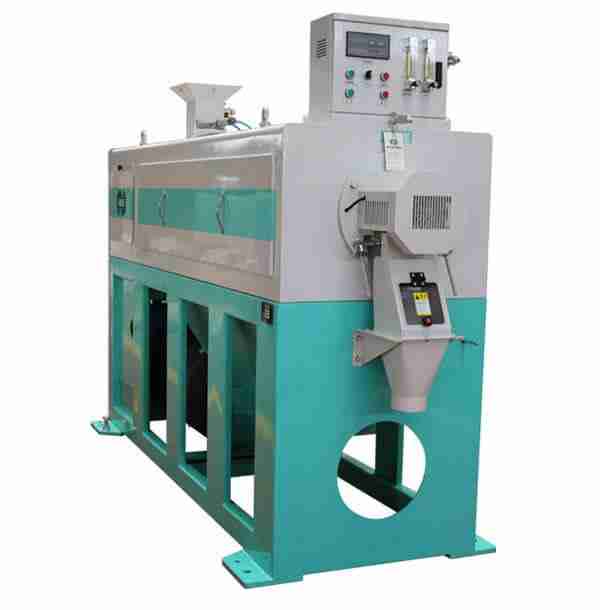
Choosing the Right Rice Polisher for Your Needs: A Comprehensive Buyer’s Guide
When selecting a rice polisher, it’s essential to consider a variety of factors that align with your specific requirements. Capacity is one of the first things to evaluate; a household typically needs a compact model, while commercial establishments may benefit from larger machines that accommodate bulk processing. Additionally, assess the type of rice you will be working with—different varieties may require unique polishing techniques. Look into the durability and material quality of the machine, as these will affect its longevity and performance.
Another key consideration is the polishing method employed by the machine. Some polishers utilize abrasive techniques, while others favor a more gentle approach, which can protect the nutritional value of the rice. Additional features such as ease of cleaning, energy efficiency, and noise level can significantly influence your user experience. Keep in mind that investing in a polisher that delivers consistent results can save you money in the long run, as it minimizes waste and enhances the overall quality of your rice.
| Feature | Description |
|---|---|
| Capacity | How much rice can the polisher handle per batch. |
| Polishing Method | Type of technique used (abrasive, gentle, etc.). |
| Energy Efficiency | Rating based on power consumption. |
| Ease of Use | How user-friendly the controls and maintenance are. |
Maintenance Tips for Longevity and Optimal Performance of Rice Polishers
Maintaining your rice polisher is crucial for ensuring both longevity and the peak performance of this essential kitchen appliance. Regular cleaning is one of the most vital practices to uphold its efficiency. After each use, remove any residual grains and dust particles from the machine. Use a soft cloth or a brush to gently scrub the interior surfaces, paying attention to the polishing chamber and the outlet. Additionally, lubricating the motor and mechanical parts with appropriate oil can drastically reduce wear and tear, allowing for smoother operation. Don’t forget to inspect the electrical components for any signs of damage or wear, as early detection can prevent larger issues down the line.
Another fundamental aspect of maintenance is calibrating the machine correctly for the type of rice being processed. Different rice varieties may require adjustments in settings such as the polishing speed and timing. Below is a simple guide to help you with the calibration process:
| Rice Variety | Polishing Speed | Processing Time |
|---|---|---|
| White Rice | High | 10-15 mins |
| Brown Rice | Medium | 15-20 mins |
| Wild Rice | Low | 25-30 mins |
Incorporating these maintenance tips into your routine will not only enhance the performance of your rice polisher but also extend its lifespan, ensuring it remains your trusted companion in the kitchen for years to come. Remember, a well-maintained rice polisher is the key to achieving that perfect grain texture that elevates your culinary creations!
The Way Forward
In a world that often overlooks the intricacies of food preparation, the rice polisher emerges as a humble yet crucial ally in the kitchen. This often underestimated device transforms humble grains into culinary gems, enhancing not only texture and taste but also the nutritional value of one of the most consumed staples worldwide. As we’ve explored the journey of rice from field to table, it’s clear that the rice polisher plays an indispensable role in this process, marrying tradition with innovation.
As we unveil the potential of this remarkable machine, we are reminded of how technology can enhance age-old practices, allowing us to savor the fullness of flavor and quality. The next time you find yourself enjoying a warm bowl of perfectly polished rice, take a moment to appreciate the silent craftsmanship that brought it to life. the rice polisher isn’t just a tool; it’s a testament to the art of cooking and the quest for excellence in every bite. With this newfound knowledge, may your culinary adventures take you to unprecedented heights, starting with the unassuming yet powerful rice polisher—truly a grain’s best friend.




