As the world continues to grapple with the challenges of feeding a growing population while navigating the complexities of climate change and resource scarcity, the agricultural sector stands at a critical crossroads. Among the staples that sustain billions, rice holds a special importance, not just as a dietary mainstay but as a cultural cornerstone in countless societies. Enter the realm of rice machinery, where cutting-edge innovations are reshaping the landscape of cultivation, processing, and distribution. This article delves into the future of rice machinery, unveiling groundbreaking technologies and practices that promise to enhance productivity, sustainability, and efficiency. From smart harvesting systems to eco-amiable milling processes, join us as we explore how these advancements are poised to transform the rice industry and, in turn, secure food systems for generations to come.
Redefining Efficiency in Rice Production through Smart Technology
in the evolving landscape of agriculture, the infusion of smart technology into rice production processes is nothing short of revolutionary.Advanced machinery now utilizes precision agriculture techniques, enabling farmers to monitor crop health and optimize inputs efficiently. With the help of data analytics and Internet of things (IoT) devices, farmers can make informed decisions regarding irrigation, fertilization, and pest control, significantly reducing waste and boosting yield. The integration of satellite imagery and drones provides real-time insights, facilitating a proactive approach to farming that was previously unimaginable.
Moreover, modern rice farming machinery is equipped with features designed to improve operational efficiency and sustainability. Key innovations include automated harvesters and smart irrigation systems that adjust water supply based on soil moisture levels. These advancements not only minimize labor costs but also diminish the environmental impact by conserving water and reducing chemical usage. The industry is moving towards a future where smart technology not only enhances productivity but also aligns with sustainable practices, ensuring that rice cultivation adapts to the demands of a growing global population.
| Technology | Benefits |
|---|---|
| Precision Agriculture | Improved yield and resource management |
| Drones | Real-time crop monitoring |
| Automated Harvesters | Labor cost reduction |
| Smart Irrigation | Water conservation |
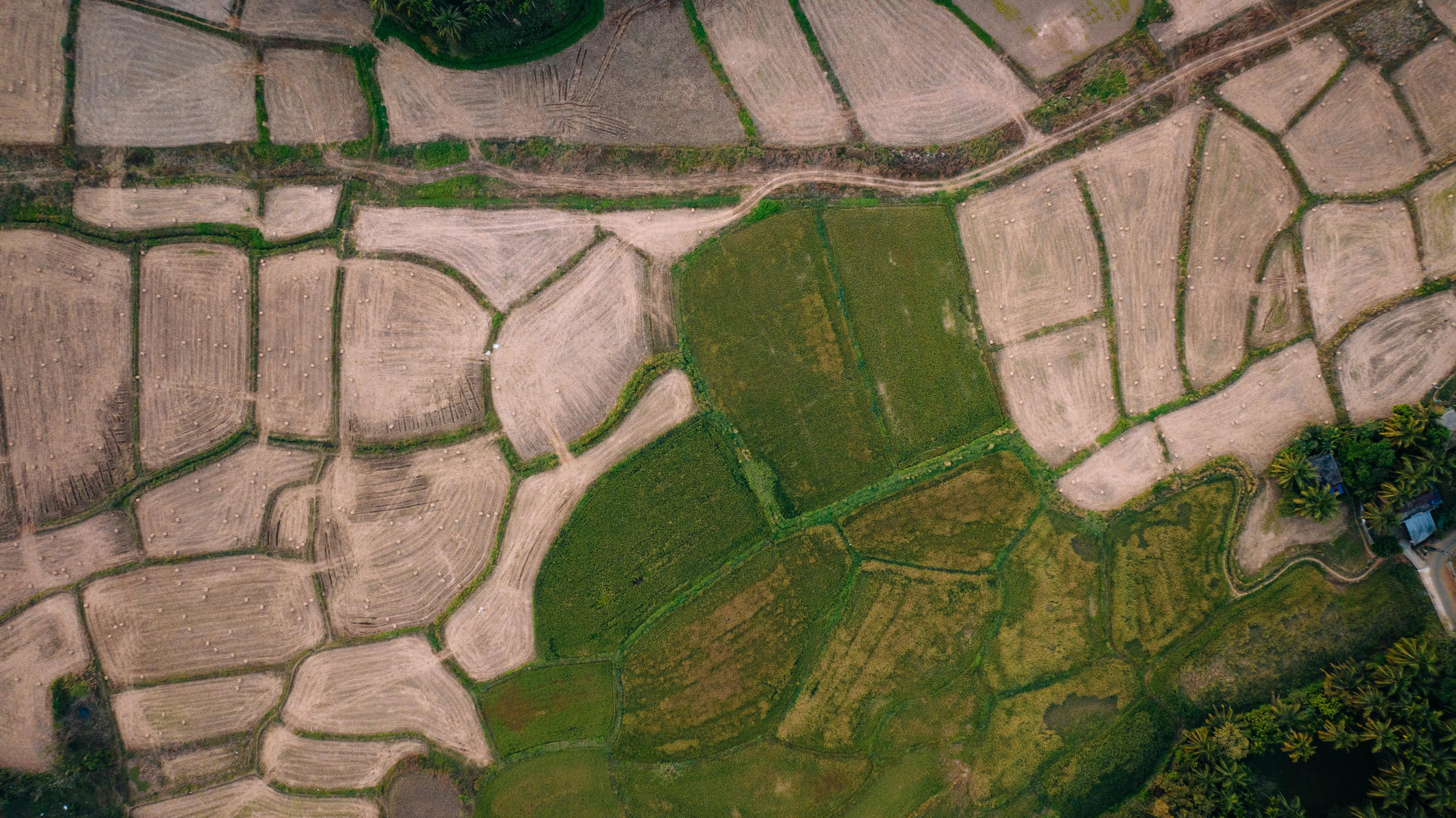
Sustainable Practices: Integrating Eco-Friendly Innovations in Rice Machinery
As agribusinesses increasingly prioritize sustainability, rice machinery is evolving to integrate eco-friendly innovations. smart irrigation systems, equipped with sensors that monitor soil moisture and weather patterns, are now commonplace.These systems not only reduce water wastage but also enhance crop yield by ensuring that rice fields receive the right amount of hydration. Moreover, the incorporation of renewable energy sources, such as solar panels, to power machinery is transforming the operational landscape. This shift towards sustainability is not merely a trend; it represents a necessary evolution in reducing carbon footprints and addressing the climate crisis.
Advancements in biodegradable materials for machinery parts are making waves in the rice industry. These innovations lead to a reduction in plastic waste and promote a circular economy. Another exciting development is the utilization of precision agriculture technologies that utilize drones and satellite imagery. These tools allow farmers to monitor crop health in real-time, minimizing the need for chemical inputs, and promoting environmentally friendly farming practices. The following table summarizes some of the key eco-friendly innovations reshaping rice machinery:
| Innovation | Description | Impact |
|---|---|---|
| Smart Irrigation | Sensors monitor soil moisture and weather. | Reduces water usage significantly. |
| Renewable Energy | Solar panels power machinery. | Decreases reliance on fossil fuels. |
| Biodegradable Materials | Parts made from sustainable resources. | Minimizes plastic waste in agriculture. |
| Precision Agriculture | Drones and data analysis for crop monitoring. | Improves crop health and reduces chemicals. |
Enhancing Harvest Quality and Yield with Precision Farming Tools
In the evolving landscape of agriculture, precision farming tools have emerged as a beacon of hope for enhancing both the quality and yield of rice harvesting. these advanced technologies integrate data analytics,remote sensing,and automated machinery to monitor crop health and optimize resource allocation. By employing soil moisture sensors, drones, and GPS-guided tractors, farmers can make informed decisions based on real-time data, ensuring that every ounce of effort translates into a bountiful harvest. This proactive approach not only maximizes the potential of the land but also reduces the wastage of essential resources like water and fertilizers.
Moreover, integrating precision farming tools fosters an ecosystem of sustainability and efficiency.Farmers can now adopt a more strategic approach to planting and crop management, utilizing variable rate technology to distribute seeds and nutrients based on specific field zones. This tailored method has proven to lead to superior grain quality and higher yields. The table below highlights a few key precision farming technologies and their impacts on rice production:
| Technology | Impact on Rice Production |
|---|---|
| GPS Mapping | Allows for precise planting and resource management. |
| Drones | Enable monitoring of crop health and timely interventions. |
| Soil Sensors | Enhance irrigation efficiency and nutrient management. |
Market Adaptation: Strategies for Leveraging New Rice Machinery Trends
As the landscape of rice production evolves, so too must the strategies that producers employ to leverage the latest trends in rice machinery. Investing in smart technology has become essential; this includes integrating IoT (Internet of Things) devices to optimize farm operations. by implementing precision agriculture techniques, farmers can enhance efficiency and yield. Some effective approaches include:
- Data-Driven Decisions: Utilizing analytics tools to interpret farm performance metrics.
- Automation: Adopting robotic solutions for planting, harvesting, and maintenance tasks.
- Sustainability Practices: Employing machinery that minimizes soil disruption and conserves water.
Moreover, forming strategic partnerships with tech companies can facilitate access to the latest advancements in machinery. This collaboration can drive innovation and help farmers stay ahead of the curve. In addition, keeping an eye on regulatory changes around agricultural technology ensures compliance while maximizing benefits. A thorough approach may involve:
- Regular Training: Ensuring that the workforce is proficient in using new technologies.
- Financial Planning: Budgeting for new machinery and understanding ROI implications.
- Community Engagement: Participating in knowledge-sharing networks to exchange experiences and best practices.
In Conclusion
As we stand on the precipice of a new agricultural era, the innovations in rice machinery herald not just a change in how we cultivate this vital crop, but a transformation in the very fabric of farming itself. From smart technologies that enhance efficiency to sustainable practices that preserve our planet, the future of rice cultivation is being rewritten with each technological advance.
As we conclude this exploration into the future of rice machinery, itS clear that our approach to agriculture is evolving. These innovations not only promise greater yield and productivity; they also empower farmers around the globe, fostering resilience in a world facing numerous challenges. With a commitment to sustainability and advancement, the journey ahead is one of hope and possibility.
In this unfolding narrative, we encourage you to stay engaged, whether as a farmer, a technologist, or a concerned citizen.Each of us has a role to play in shaping a future where rice can continue to nourish billions. Together, we can cultivate a tomorrow that balances progress with responsibility, ensuring that this staple of life remains a cornerstone of communities worldwide. The future of rice machinery is not just about machines; it’s about the enduring connection between people, technology, and the land we cherish.