
In a world where culinary excellence meets technological innovation, the humble rice polisher has emerged as a silent revolution in kitchens across the globe. This seemingly modest machine holds the key to transforming ordinary grains into glossy pearls of perfection, enhancing not only their appearance but also their flavor and texture. As we embark on a journey to uncover the secrets of this essential kitchen device, we will explore its history, mechanics, and the science behind its transformative power. From traditional practices to modern advancements, the rice polisher stands at the intersection of culture and convenience, inviting us to appreciate the artistry of rice preparation in a new light. Join us as we delve into the intricacies of this glossy revolution, revealing how a simple tool has the potential to elevate our culinary experiences and redefine our relationship with one of the world’s most beloved staples.
Exploring the Science Behind Rice Polishing Techniques
Rice polishing techniques encompass a fascinating interplay of tradition and technology that elevates the humble grain into a culinary masterpiece. The polishing process is essential not only for enhancing the appearance of rice but also for amplifying its sensory qualities. From the ancient methods of hand-polishing to advanced mechanical techniques, the evolution of rice polishing has significantly influenced rice’s texture, color, and flavor profile. By carefully removing the bran layer, which contains most of the grain’s nutrients, these techniques produce a glossy finish that is visually appealing and distinctively satisfying when cooked. It’s this transformative journey that unveils the layers of taste and nutrition locked within each grain, showcasing a balance of tradition and innovation.
To better understand the various rice polishing methods, we can categorize them based on their technology and impact on the grain. The following outlines key practices and their effects on rice quality:
| Polishing Technique | Description | Impact on Quality |
|---|---|---|
| Hand Polishing | Traditional method using stones or manual tools. | Produces a unique texture; leaves some nutrients. |
| Mechanical Polishing | Utilizes machines for consistent results. | Creates a shiny finish but removes more bran. |
| Water Polishing | Involves polishing rice with water for a gentle approach. | Retains flavors while enhancing luster. |
Different cultures also prefer varying degrees of polishing, resulting in diverse rice types that cater to distinct culinary preferences. The color spectrum, from the opaque white of highly polished rice to the rich, earthy tones of less processed varieties, reflects this cultural significance. This spectrum not only influences taste and texture but also guides consumers in their choices, showcasing how rice polishing has become an art form that celebrates the grain’s versatility while catering to contemporary tastes.
The Impact of Rice Polishers on Culinary Experience
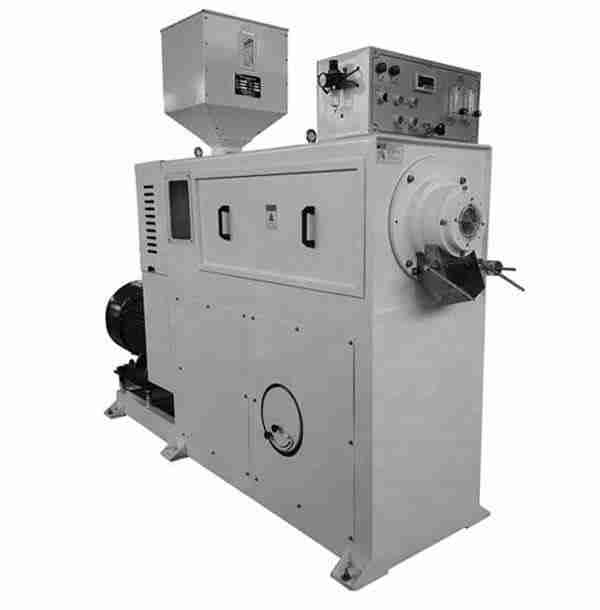
In the world of culinary arts, the significance of rice polishers transcends mere preparation; they elevate grains from their natural state to something extraordinary. By gently removing the outer layers of the rice, these machines not only enhance the grain’s appearance, making it glossy and appealing, but also improve its flavor profile. The polished rice absorbs water more efficiently, resulting in a fluffier texture once cooked, therefore transforming simple dishes into gourmet experiences. With rice being a staple in many cultures, the evolution of rice polishers has revolutionized how we approach cooking.
Moreover, the use of rice polishers contributes to a myriad of health benefits, which are essential in today’s health-conscious world. The precise polishing process retains more nutrients compared to traditional methods, offering not just a visual allure but also a nutritional advantage. Consider the following enhancements:
| Benefit | Description |
|---|---|
| Enhanced Texture | Smoother and more absorbent grains that cook evenly. |
| Improved Flavor | More pronounced taste and aroma in cooked dishes. |
| Nutritional Retention | Higher retention of essential vitamins and minerals. |
With the culinary space constantly evolving, rice polishers are at the forefront, delivering an allure that beckons both chefs and home cooks to explore the full potential of rice. The allure of a perfectly polished grain not only holds the promise of improved taste but also invites creativity in the kitchen, encouraging experimentation with various recipes that highlight the elevated quality of the rice.
Choosing the Right Rice Polisher for Your Kitchen
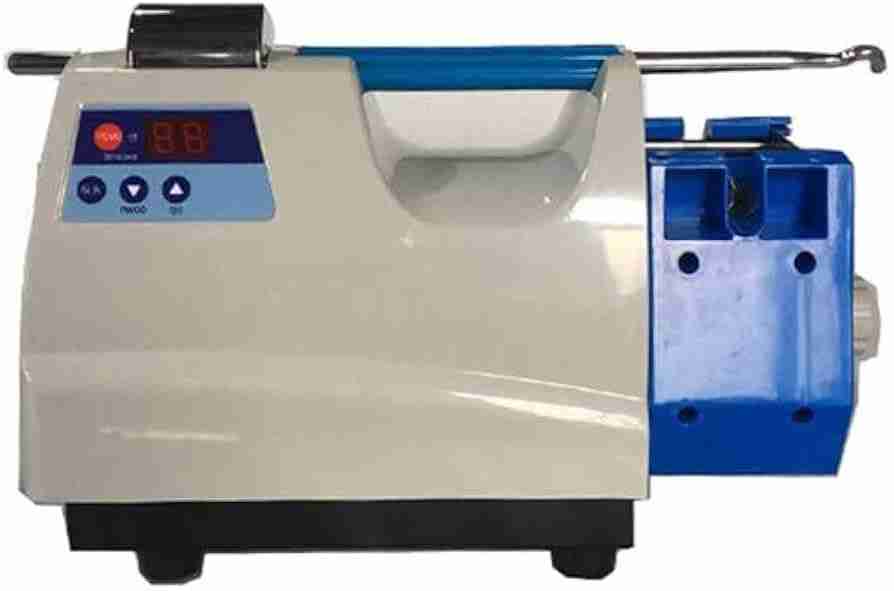
When it comes to selecting a rice polisher for your kitchen, several factors come into play that can significantly impact both the performance and the quality of your cooked rice. Consider the capacity of the polisher; whether you’re a small family or a large household, a rice polisher that meets your cooking frequency and volume needs will make a tremendous difference. Alongside capacity, pay attention to the level of automation available. Devices with programmable settings can simplify the polishing process, allowing you to achieve the perfect gloss without the guesswork. Additionally, look for models featuring durable materials that promise longevity, such as stainless steel exteriors or robust internal mechanisms designed to withstand frequent use.
In addition to functionality, the visual appeal and convenience of the rice polisher should not be overlooked. Aesthetics can enhance your kitchen decor, so opting for a model that complements your style—whether sleek and modern or classic and rustic—can make a subtle yet significant impact. Also, consider the ease of use and maintenance; a user-friendly interface can save you time, while straightforward cleaning processes can ensure your investment stays in optimal condition. Lastly, don’t forget to explore customer reviews and brand reputation to better understand the experiences of other users, helping you make an informed decision that keeps your culinary adventures smooth and delightful.
Maintaining and Caring for Your Rice Polisher for Longevity
To ensure your rice polisher continues to perform at its best, regular maintenance is key. Establish a schedule for cleaning the machine to prevent the buildup of dust and rice grain residues, which can compromise its efficiency. Start by removing the polishing chamber and wiping down all surfaces with a soft, damp cloth. Don’t forget to check and replace the filter, as a clean filter promotes a smoother operation. Additionally, inspect the power cord and plug for any signs of wear and tear, addressing any issues promptly to avoid electrical hazards.
Beyond cleaning, lubrication plays a vital role in extending the life of your rice polisher. Refer to your user manual for specific recommendations on lubricants, and apply them to the designated areas as specified. It’s also important to keep an eye on the settings—adjusting the polishing time and speed based on the type of rice you’re using can significantly impact the quality of the finish. Always remember to store your rice polisher in a dry place to prevent moisture from causing corrosion. Here’s a quick reference table for further guidance:
| Maintenance Task | Frequency |
|---|---|
| Clean polishing chamber | After every use |
| Replace filter | Monthly |
| Lubricate moving parts | Every six months |
| Inspect power cord and plug | Monthly |
To Wrap It Up
As we’ve journeyed through the intricate world of rice polishing, we’ve unveiled the multifaceted layers that contribute to this seemingly simple grain’s transformation. The rice polisher, an unsung hero in the culinary landscape, plays a pivotal role in enhancing not just the texture and flavor of rice, but also its nutritional benefits. As we’ve explored, this sophisticated machinery balances tradition and innovation, allowing us to appreciate rice in its most refined form.
In the quest for culinary excellence, the glossy revolution of rice polishing beckons chefs and home cooks alike to rethink their approach to this staple food. Whether you are a seasoned professional or an enthusiastic amateur, understanding the secrets behind the polish will elevate your culinary creations to new heights. As you continue to experiment in your kitchen, let the polished grain serve as a reminder of the delicate interplay between science and art that defines our relationship with food.
So, the next time you scoop rice into your pot, take a moment to appreciate the journey it has taken — from paddy to polished perfection. In this age of culinary exploration, the magic of the rice polisher is just one of the many stories waiting to be told. With every grain, we unlock a new possibility, inviting adventure to our plates and inspiring us to savor the brilliance in simplicity.




