
In the ever-evolving landscape of food processing technology, the spotlight has recently turned to an unassuming hero: the mini rice polisher. With a design that defies the bulky machinery typically associated with grain processing, these compact devices are revolutionizing the way we prepare rice, offering an elegant blend of efficiency and precision. As global demand for high-quality, polished rice continues to rise, the mini rice polisher emerges as a beacon of innovation, promising to enhance not just the quality of the grains we consume, but also the very way we perceive this staple food. Join us as we explore the dynamic ascent of mini rice polishers, delving into their features, benefits, and the role they play in shaping a more sustainable future for rice production worldwide.
Exploring the Evolution of Rice Polishing Technology
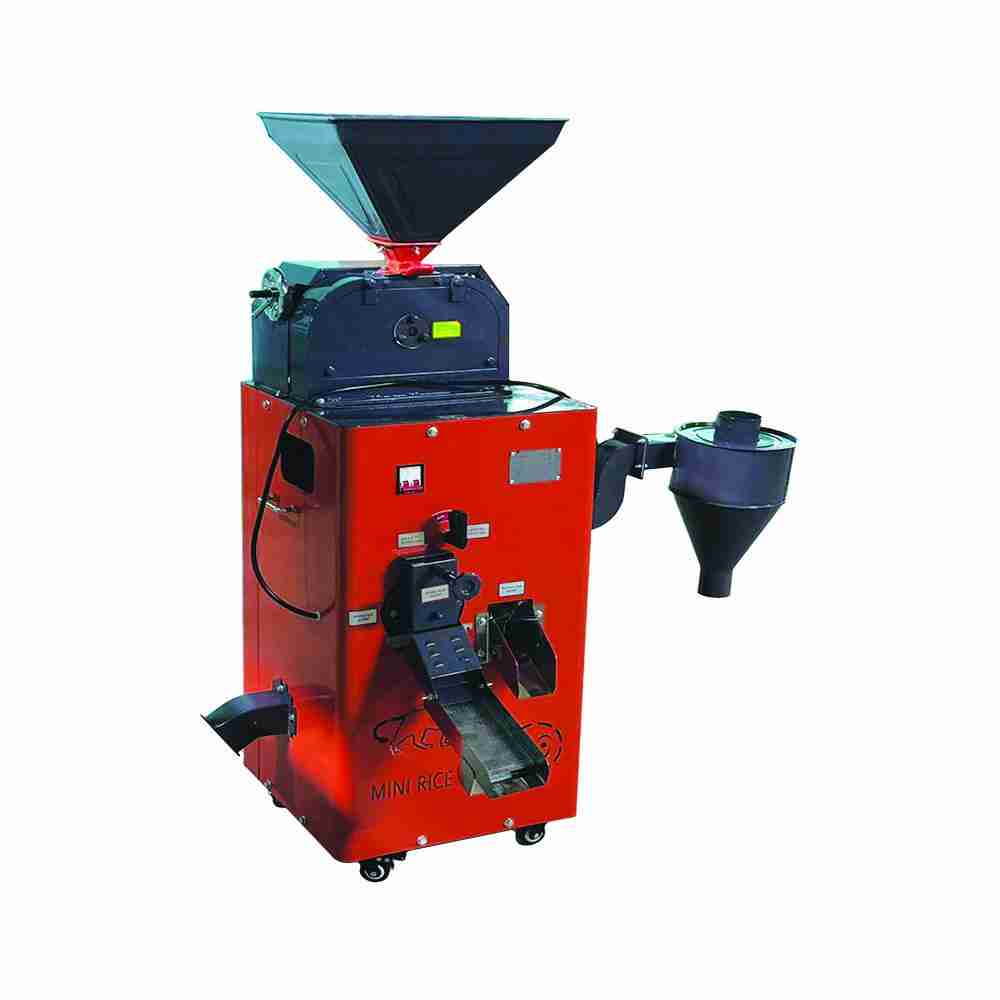
The journey of rice polishing technology has transformed significantly over the decades. Traditionally, large mechanized systems processed grains, yielding polished rice at high volumes but often compromising quality in the pursuit of efficiency. In contrast, the emergence of mini rice polishers has paved the way for a more personalized approach. These compact machines offer precision tuning, enabling producers to carefully target the degree of polishing according to the specific type of rice and regional consumer preferences. As a result, this evolution not only enhances the flavor and texture of rice but also promotes sustainability by reducing waste, as less grain is lost during the polishing process.
Modern mini rice polishers incorporate innovative technologies that elevate their performance, such as:
- Smart Sensors: Automatically adjust polishing intensity based on grain quality.
- Energy Efficiency: Designed to consume less power without compromising output.
- Compact Design: Ideal for small-scale farms and urban settings.
This shift in technology not only caters to the artisanal market but also helps to preserve the nutritional value of rice, as these machines minimize the loss of essential vitamins and minerals during processing. The table below illustrates the key benefits of adopting mini rice polishers over traditional methods:
| Feature | Traditional Polishers | Mini Polishers |
|---|---|---|
| Energy Consumption | High | Low |
| Waste Production | Moderate | Minimal |
| Customization | Limited | High |
| Market Appeal | Mass Production | Artisanal Focus |
Key Benefits of Mini Rice Polishers for Small-Scale Producers
The advent of mini rice polishers has transformed the landscape for small-scale producers, offering a myriad of benefits that enhance both efficiency and quality. One of the primary advantages is their compact design, which allows producers to operate in limited spaces without compromising on functionality. These machines are often lightweight, enabling easy transport between different locations, whether it’s a small workshop or a farmer’s market. With their ability to process small batches of rice, they ensure that even micro-entrepreneurs can deliver polished grains that meet consumer expectations.
Moreover, mini rice polishers are engineered for precision and control, enabling users to customize the polishing process according to the specific needs of their rice varieties. This fine-tuning capability contributes to improved rice quality, resulting in higher market value. Other noteworthy benefits include:
- Cost-Effectiveness: Lower operational and maintenance costs compared to larger machines.
- Time Efficiency: Faster processing times allow for quicker turnaround and sales.
- User-Friendly Operation: Simple controls make it accessible for users of all skill levels.
Additionally, the small-scale producers can greatly benefit from the environmental sustainability often featured in these compact machines. By consuming less energy and using fewer resources, mini rice polishers help reduce the overall carbon footprint associated with rice processing. The innovation in technology behind these machines is evident in their design, as shown in the following table:
| Feature | Benefit |
|---|---|
| Compact Size | Suitable for small spaces |
| Custom Polishing Settings | Improved grain quality |
| Low Power Consumption | Reduced energy costs |
Selecting the Right Mini Rice Polisher for Your Needs
Selecting the appropriate mini rice polisher involves a balance of power, efficiency, and adaptability to your specific needs. When considering your options, focus on the following features:
- Capacity: Determine how much rice you typically process to find a model that matches your volume requirements.
- Power: Look for a polisher with sufficient wattage to ensure effective polishing without damaging the grains.
- Durability: Materials and build quality matter; opt for models that can stand up to regular use.
- Ease of Use: Simple controls and straightforward maintenance can save you time and enhance your overall experience.
Equally important is the technology used in the polisher. Innovative features can greatly enhance the polishing experience. Key considerations include:
| Feature | Benefit |
|---|---|
| Adjustable Polishing Time | Customizable settings allow for optimal grain texture. |
| Integrated Dust Collection | Minimizes mess and improves clean-up efficiency. |
| Energy Efficiency | Reduces electricity costs while maintaining performance. |
By assessing these features and understanding their benefits, you can make an informed decision, ensuring that your mini rice polisher aligns perfectly with your culinary ambitions and operational needs.
Sustainable Practices in Rice Polishing: A Look at the Future
As the industry shifts towards environmentally responsible practices, the evolution of rice polishing technology has gained significant momentum, reflecting a broader commitment to sustainability. Modern designs emphasize energy efficiency and reduce resource consumption, allowing farmers to optimize their operations without compromising quality. Mini rice polishers, for instance, utilize smaller energy inputs compared to traditional machinery, transforming the process into a more sustainable operation. Key innovations include:
- Low-energy consumption: Reducing electrical needs without sacrificing output.
- Recyclable materials: Constructing polishers from materials that can be reused or recycled at the end of their lifecycle.
- Waste reduction: Developing methods to repurpose by-products, such as rice husks, into biofuel or fertilizer.
Looking ahead, the integration of smart technology in rice polishing offers further potential for advancing sustainability. Features such as real-time monitoring and data analytics provide producers with insights that can refine their processes, resulting in less waste and higher efficiency. By aligning with these innovations, farmers can significantly contribute to the reduction of their carbon footprint. Below is a table illustrating some key benefits of adopting mini rice polishers:
| Feature | Benefit |
|---|---|
| Compact Design | Requires less space for operation. |
| Low Operational Costs | Decreases overall expenses for farmers. |
| Eco-Friendly Operation | Minimizes environmental impact through efficient use of resources. |
Closing Remarks
As we conclude our exploration of mini rice polishers, it becomes evident that these compact machines are more than just a trend; they represent a significant advancement in rice processing technology. By unlocking precision in polishing, they cater to the evolving needs of both small-scale farmers and larger enterprises, ensuring quality and efficiency across the board.
The rise of mini rice polishers symbolizes a shift towards innovation that balances tradition with cutting-edge technology, enabling users to uphold the integrity of their harvest while maximizing yield. As the culinary landscape increasingly values high-quality ingredients, the role of these devices will likely expand further, redefining standards in rice preparation.
In a world where every grain counts, mini rice polishers stand as a testament to how a small machine can make a big impact, bridging the gap between meticulous craftsmanship and modern convenience. As we look to the future, it will be fascinating to witness how these tools continue to evolve, paving the way for an even more precise and sustainable approach to rice production. So, whether you are a farmer, an entrepreneur, or simply a food enthusiast, keep your eye on this blossoming technology—it may just revolutionize your next meal.




