
In the world of culinary excellence, few ingredients offer the versatility and cultural significance of rice. Yet, within this simple grain lies a complex artistry that transforms it from its humble beginnings to a polished culinary gem. Enter the intricate practice of rice polishing—a meticulous process that not only enhances flavor and texture but also elevates the dining experience to new heights. In “Unlocking Perfection: The Art of Rice Polishing Explained,” we delve into the history, science, and craft behind this age-old technique, uncovering how skilled artisans skillfully refine rice to achieve a balance of aesthetics and quality. Join us as we explore the journey of rice from field to fork, unveiling the secrets that make polished rice a centerpiece in kitchens around the globe.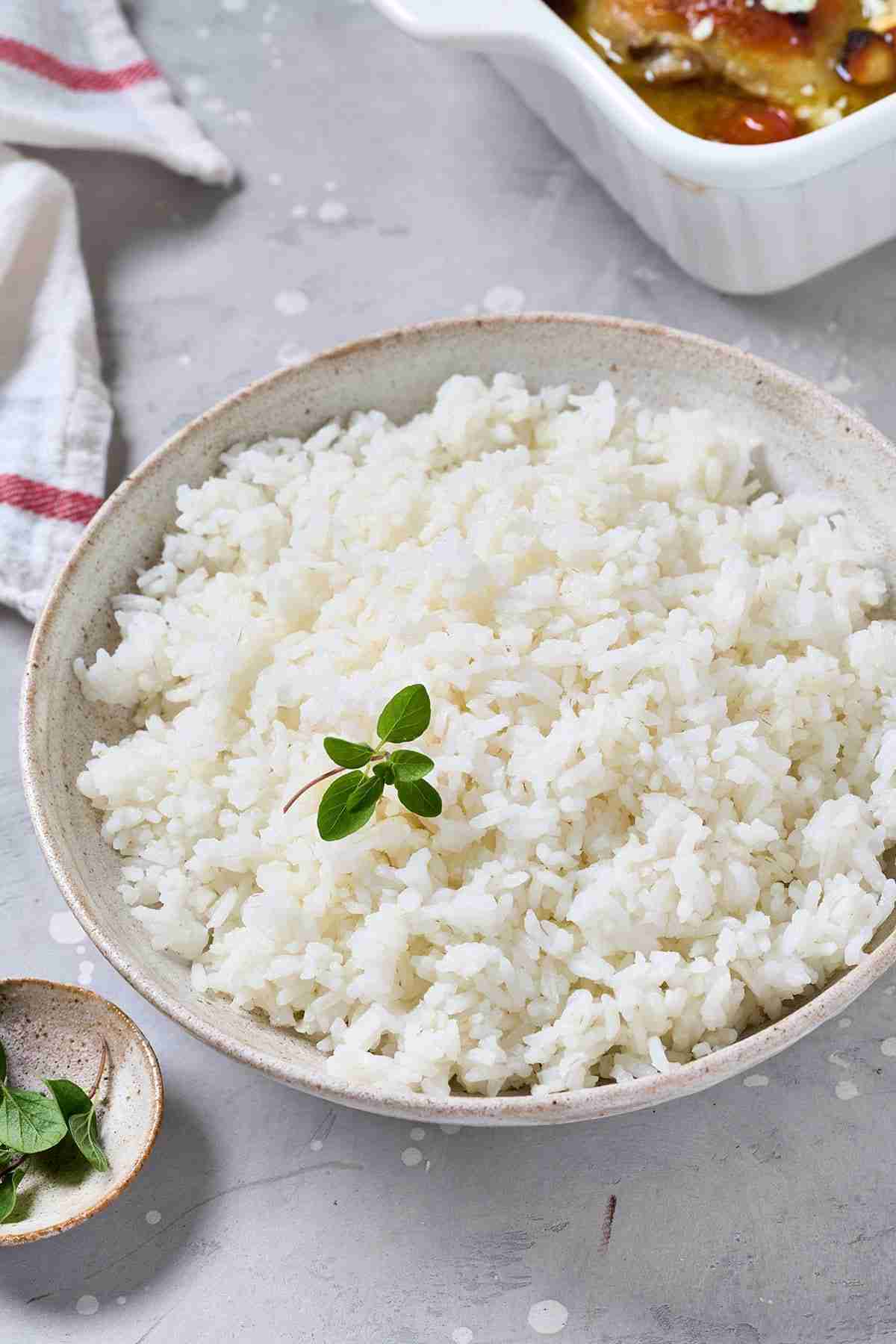
Understanding Rice Polishing Techniques
The journey of rice polishing is as intricate as the grains themselves, reflecting a delicate balance between tradition and innovation. At its core, rice polishing is the process of removing the outer layers of the rice grain to enhance both its appearance and texture. Techniques vary widely across cultures, but the essence remains the same: striving for a polished product that captivates the senses. Different levels of polishing yield grains with distinct characteristics, such as the all-time favorite white rice, which is polished to perfection, and brown rice, which retains its wholesome bran for a nuttier flavor.
Understanding the various techniques can shed light on the unique qualities of different rice types. Common methods include mechanical polishing, where grains are subjected to friction using specialized machines, and hand polishing, a more artisanal approach that emphasizes craftsmanship. Each method has its own advantages and challenges. Below is a brief comparison of popular rice polishing techniques:
| Polishing Technique | Description | Advantages |
|---|---|---|
| Mechanical | Uses machines to remove bran layers through friction. | – Consistent results – High efficiency |
| Hand | A traditional method using manual tools and techniques. | – More control - Unique flavors |
| Steam Polishing | Involves steaming grains before polishing. | – Retains nutrients – Enhances texture |

The Impact of Rice Grain Quality on Polishing Results
When it comes to achieving pristine rice, the inherent qualities of the rice grains play a crucial role in determining the success of the polishing process. Grain size, shape, and internal structure contribute significantly to the final appearance and texture of the polished rice. For instance, longer grains often yield superior results when polished due to their natural ability to absorb water and maintain structural integrity. Moreover, the surface characteristics, such as the degree of roughness, can influence how well the polishing equipment can eliminate the outer bran layer, ultimately affecting the rice’s visual appeal and culinary quality.
In the quest for excellence, grain quality also impacts the efficiency and effectiveness of the polishing machinery employed. Variations in moisture content, for example, can lead to uneven polishing, where some grains emerge glossy and others remain dull. This unevenness can be exacerbated by the polishing duration and the specific methodologies used during processing. Ultimately, the relationship between grain quality and polishing results can be summarized through a few key takeaways:
- Uniformity: Consistent grain size promotes even polishing.
- Moisture Management: Optimal moisture levels are essential for best results.
- Surface Characteristics: A smoother surface enhances polishing effectiveness.

Enhancing Flavor and Texture Through Precision Polishing
The journey from grain to gourmet is a meticulous process, with each step influencing the final culinary experience. Precision polishing not only removes the outer layers of the rice grain but also enhances its intrinsic qualities. Through this careful abrasion, the rice gains a refined texture that can elevate any dish. The outer hull, rich in fiber and nutrients, is stripped back to reveal the starchy endosperm, paving the way for a variety of flavor profiles. This technique results in rice that is not only aesthetically pleasing but also offers improved cookability and palatability.
Moreover, the impact of polishing on flavor can be substantial, as lighter grains tend to absorb seasonings and sauces more effectively. When done right, precision polishing creates a canvas for creativity in the kitchen. Some notable benefits include:
- Improved Aroma: Polished rice exudes a delectable, inviting aroma.
- Smoother Texture: The grains are less likely to clump, allowing for a more enjoyable mouthfeel.
- Optimized Absorption: Enhanced capacity to soak up flavors from spices and marinades.
Below is a table that outlines the variations in flavor and texture achieved through different polishing methods:
| Polishing Method | Flavor Profile | Texture |
|---|---|---|
| Light Polishing | Slightly nutty | Soft and fluffy |
| Medium Polishing | Creamy | Silky |
| Heavy Polishing | Mild and delicate | Velvety |
Practical Tips for Home Chefs to Master Rice Polishing
For home chefs eager to elevate their culinary game, rice polishing can turn an ordinary bowl of rice into an extraordinary dish. Start with selecting the right grain; varieties such as jasmine, basmati, or sushi rice offer unique textures and flavors. After choosing your rice, the initial step is to rinse it thoroughly under cold water. This process not only removes excess starch but also cleanses the grains from dust and impurities. Follow these practical tips to enhance your rice polishing technique:
- Use a gentle scrubbing motion. Do not aggressively rub the grains, as this may break them. Instead, swirl them softly with your fingers.
- Change the water frequently. Aim for at least three rinses until the water runs clear, indicating the removal of excess starch.
- Soak the rice. A brief soaking period, usually around 20-30 minutes, can help achieve a fluffy texture by allowing the grains to absorb moisture.
Once your rice is polished to perfection, it’s essential to know how to cook it properly. Here’s a quick breakdown of the cooking process:
| Cooking Method | Water Ratio | Cooking Time |
|---|---|---|
| Stovetop | 1:1.5 | 15-20 minutes |
| Rice Cooker | 1:1.5 | 20-25 minutes |
| Instant Pot | 1:1 | 6-8 minutes (high pressure) |
Whichever cooking method you choose, allow the rice to rest for a few minutes after cooking. This rest period helps the grains firm up, preventing them from becoming sticky. Embracing these practices will not only enhance your rice but also inspire a new appreciation for this staple food.
To Wrap It Up
the journey of rice polishing unveils a fascinating intersection of tradition and technique, where meticulous craftsmanship meets culinary precision. This ancient art, rooted in cultural heritage, not only elevates the aesthetic appeal and culinary experience of rice but also enhances its nutritional profile. As we embrace the nuances of rice polishing, we unlock the potential for sublime flavors and textures that transform simple grains into gastronomic treasures. Whether you’re a seasoned chef or a home cook, understanding the intricacies of this process invites you to experiment with the myriad possibilities that polished rice presents. So, the next time you prepare a dish featuring this staple, remember that every grain reflects centuries of skill and dedication. Embrace the art of rice polishing, and let it inspire you to bring a touch of perfection to your table.




