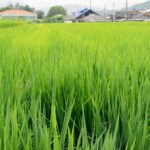
In the shimmering fields where grains of rice sway gently in the breeze, history unfolds not just in the cycles of planting and harvesting, but also in the evolution of the machinery that transforms this staple crop. from rudimentary tools wielded by ancient hands to complex machines that dominate today’s agricultural landscape, the journey of rice machinery solutions reflects a remarkable narrative of innovation and adaptation. As populations grow and the demand for sustainable practices intensifies, unlocking efficiency in rice production has become a critical goal. This article delves into the technological advancements that have redefined the industry, exploring how modern machinery is not only enhancing productivity but also ensuring the resilience of rice farming in an ever-changing world. Join us as we trace the roots of this evolution, highlighting key developments and envisioning the future of rice cultivation through the lens of machinery solutions.
Exploring Historical Innovations in Rice Machinery
The journey of rice machinery has been pivotal in transforming agricultural practices, shaping the livelihoods of millions. Over centuries, various historical innovations have emerged, each playing a crucial role in enhancing productivity and efficiency. From manual tools used in ancient civilizations to sophisticated automated systems, the evolution reflects a primary goal: to ensure that the labor of rice cultivation is as streamlined as possible. Key innovations include:
- The Hand-Powered Mill: Used for centuries, it allowed farmers to process rice with greater ease compared to traditional methods.
- Steam-Powered machinery: Introduced in the 19th century,it revolutionized the way rice was husked and milled,significantly increasing output.
- Combine Harvesters: This game-changer combined several harvesting processes, reducing labor needs while maximizing efficiency.
Today, modern advancements integrate technology into rice machinery, enabling precision agriculture and innovative practices. As an example, the use of GPS-guided equipment and drone technology has emerged, allowing farmers to monitor crops more accurately. Moreover, sustainability has become a focus, with innovations aimed at reducing the ecological impact of rice farming. Noteworthy developments include:
| Innovation | Impact on Rice Farming |
|---|---|
| Precision Farming Tools | Enhances crop management through data analytics. |
| Smart Irrigation Systems | Improves water usage efficiency, reducing waste. |
| Biodegradable Inputs | Minimizes environmental impact while maintaining yield. |

Advancements in Technology Transforming rice Production
The landscape of rice production is undergoing a remarkable change, driven by cutting-edge technological advancements. New generations of machinery are designed to maximize efficiency while minimizing environmental impact, aligning agricultural practices with sustainability goals. Among the most noteworthy innovations are:
- Precision Seeders: These machines utilize GPS and advanced sensors to ensure the optimal distance between seeds, enhancing germination rates and crop yields.
- Automated Harvesters: Capable of operating around the clock, these harvesters reduce labor costs and time while ensuring that crops are harvested at their peak.
- Drone technology: Drones equipped with imaging tools and sensors monitor crop health, soil conditions, and even irrigation needs, providing farmers with actionable insights for informed decision-making.
The integration of smart technologies like IoT (Internet of things) is paving the way for data-driven farming practices. By enabling farmers to track crop performance in real-time, these connected devices facilitate resource optimization. Key advancements include:
| Technology | Benefit |
|---|---|
| Soil Moisture Sensors | Reduces water usage by predicting irrigation needs. |
| Yield Mapping Software | Helps in identifying high-performing areas in the field. |
| Pest Management Systems | Utilizes AI to detect pests early, minimizing crop loss. |
collectively, these advancements not only enhance productivity but also support the resilience of rice farming in the face of climate change and market fluctuations, ensuring a steady supply of this staple food for future generations.
Enhancing Sustainability Through Modern Mechanization
In recent years, the integration of modern mechanization in agriculture has proven to be a game changer, notably in rice farming. With cutting-edge technology, farmers can now implement practices that not only increase productivity but also enhance environmental sustainability. By utilizing precision agriculture techniques, which include GPS and data analytics, farmers are equipped to make informed decisions regarding resource utilization. This results in:
- Reduction in water usage: Advanced irrigation systems minimize wastage while ensuring optimal growth conditions.
- Minimized chemical runoff: Precision application of fertilizers and pesticides leads to lower environmental impact.
- Increased soil health: Utilizing no-till and cover cropping systems helps maintain soil integrity and promotes biodiversity.
The role of mechanized solutions is further emphasized through data analysis and automation, allowing farmers to monitor crop health with real-time insights. Innovative machinery such as automated rice planters and harvesters ensure that operations are carried out with pinpoint accuracy, drastically reducing the need for labor-intensive manual practices. In fact, the benefits of mechanization can be summarized in the following table:
| Mechanization Benefit | Impact |
|---|---|
| Time efficiency | Fast planting and harvesting cycles |
| Labor reduction | Less reliance on manual labor |
| Resource optimization | Effective use of water and inputs |
| Higher yields | Improved crop production rates |
Future Trends and Best Practices for Rice Farmers
As the agricultural landscape continues to evolve, rice farmers are harnessing cutting-edge technologies to enhance productivity and sustainability. Embracing precision agriculture techniques allows farmers to utilize data-driven insights for informed decision-making. Innovations such as drone technology and satellite imaging facilitate real-time monitoring of crop health and soil conditions. This strategic approach enables farmers to optimize resource use,thus minimizing waste and maximizing yield. Additionally,the integration of smart irrigation systems ensures efficient water management,adapting to changing environmental conditions and preventing overuse of this vital resource.
Moreover, automation is set to redefine farming practices, paving the way for greater efficiency. Key machinery solutions that will shape the future include automated harvesters and robotic planters. These advancements not only reduce labor costs but also increase operational speed and accuracy. To thrive in this rapidly changing ecosystem, farmers should implement the following best practices:
- Invest in training programs focused on new technologies.
- Collaborate with agronomists to analyze soil and crop data.
- Adopt sustainable practices that promote biodiversity.
- Stay updated with agritech innovations through workshops.
In addition to machinery, farmers can benefit from engaging in cooperative networks that share resources and knowledge.This collaborative habitat fosters innovation while providing access to advanced tools that may be otherwise unaffordable. The following table highlights innovative solutions that can enhance rice farming practices:
| Technology | Benefit |
|---|---|
| Drone Surveillance | Real-time crop monitoring and pest detection |
| AI-Based Analytics | Predictive analytics for yield optimization |
| Biodegradable Mulching Films | Enhanced soil health and moisture retention |
| Mobile Apps for Farm Management | Streamlined operations and performance tracking |
In Retrospect
In the grand tapestry of agricultural innovation, the evolution of rice machinery solutions stands as a testament to human ingenuity and adaptability. As we have journeyed through the history and advancements of these tools, it becomes clear that efficiency is not merely a goal, but a continuous pursuit shaped by both technological progress and environmental considerations.From the traditional methods of yesteryears to the sophisticated machinery of today, each evolution speaks volumes about our commitment to improving yields and sustaining livelihoods.
As we look ahead, the future of rice production is bright with promise. The integration of smart technologies and sustainable practices could redefine not only how we harvest but also how we respect and nurture our planet. By embracing these innovations, farmers can unlock new levels of efficiency that resonate far beyond the fields, ultimately contributing to global food security and economic stability.
In closing, the journey of rice machinery solutions is far from over. It invites us to keep our minds open to change and our hands ready for action. let us continue to explore and embrace the tools that will shape the next chapter in our agricultural story, ensuring that we cultivate not just crops, but a sustainable future for generations to come.