In a world where culinary excellence often hinges on the most intricate details, the seemingly humble rice polisher emerges as an unsung hero in the quest for perfection. Beyond its unassuming exterior lies a sophisticated mechanism that meticulously enhances the quality of rice, elevating it from mere grain to a culinary staple revered across cultures. This article delves into the transformative role of rice polishers, exploring how they refine the texture, taste, and nutritional profile of one of humanity’s oldest and most cherished foods. As we journey through the history, technology, and artistry behind these machines, we will uncover the delicate balance between tradition and innovation that defines the contemporary rice polishing process. Join us in unearthing the layers of perfection that make rice not just a dish, but a global symbol of sustenance and culture.
Understanding the Science Behind Rice Polishing Techniques
Rice polishing is an age-old practice rooted in the desire for perfection. At its core, this intricate process involves carefully removing the outer layers of rice grains to enhance their appearance and texture. The science behind rice polishing lies in its ability to not only improve the visual appeal but also influence nutritional content. The outer bran and husk, while rich in fiber and nutrients, can impart a slightly bitter taste that might potentially be unappealing to some consumers. By employing various polishing techniques, the unwanted flavors can be eliminated while still retaining sufficient nutritional value. This balance is essential for producing rice that meets both culinary and health standards.
different methods of polishing are utilized based on the desired outcome, and these methods can vary significantly in terms of efficiency and impact on the rice grain. For instance,techniques such as mechanical polishing,water polishing,and air polishing each offer unique advantages:
- Mechanical polishing: Utilizes friction to remove layers,making it effective but potentially damaging if over-processed.
- Water polishing: Involves rinsing rice with water to remove the bran while preserving the grain’s integrity.
- Air polishing: Uses a high-speed airflow to gently polish grains, preserving flavor and nutrients.
the choice of technique can be influenced by factors such as the variety of rice, dietary preferences, and the intended culinary uses.Below is a table summarizing the impact of different polishing techniques on rice quality:
| Polishing Technique | Advantages | Potential Drawbacks |
|---|---|---|
| Mechanical Polishing | Fast processing | Risk of over-polishing |
| Water Polishing | gentle on grains | Water consumption |
| Air Polishing | Preserves flavor | Slower process |

The Impact of Grain Quality on Culinary Experience
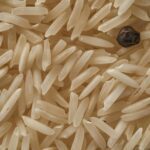
When it comes to culinary experiences, the quality of grain plays a pivotal role in determining the final dish’s flavor and texture. High-quality rice undergoes precise polishing to remove the outer layers, enhancing its taste and visual appeal. The efficacy of rice polishers directly influences the level of refinement in the grain,impacting not only how the rice cooks but also how it pairs with other ingredients. A grain polished to perfection often exhibits a more fetching aroma and a glossy finish,appealing to both the palate and the eye.
Different rice varieties yield distinct results based on their polishing methods. Consider the following factors that contribute to the overall culinary experience of rice:
- Texture: The right polish enhances the grain’s ability to achieve the desired tenderness.
- Flavor Absorption: Properly polished rice has a higher capacity to absorb seasonings and sauces, enriching the dishes.
- Cooking Time: more refined grains frequently enough require shorter cooking times, making meal readiness quicker without sacrificing quality.
- Health Considerations: While polishing improves appearance, over-polishing can strip essential nutrients, so balance is key.
To illustrate the impact of different polishing techniques on rice quality, the following table summarizes common types of rice polishers and their respective effects:
| Polisher Type | Effect on Grain | Pros | Cons |
|---|---|---|---|
| traditional Stone Polisher | Gentle on grains, maintains nutritional value | Natural method, preserves flavor | Slower process |
| Modern Automated polisher | Uniform polishing, enhances appearance | Efficiency, quicker turnaround | May reduce nutrient content |
| Air-Powered Polisher | Minimizes breakage and maintains texture | Preserves grain integrity | More expensive setup |
Understanding the nuances of grain polishing equips culinary enthusiasts and professionals alike to select the appropriate rice type for various dishes, ultimately enriching the dining experience.
Selecting the Right Rice Polisher for Your Needs
Choosing the perfect rice polisher involves considering several essential factors that contribute to the overall quality of your polished rice. Capacity is one of the primary attributes to examine; you’ll want a model that suits the scale of your production needs, whether you’re a small artisan maker or a larger scale operation. Additionally, long-term durability should not be overlooked—investing in a robust machine can prove beneficial by minimizing maintenance costs and downtime. Consider models that offer energy efficiency, as they can significantly reduce operational costs over time. Other aspects like ease of operation and cleaning features are critical; machines with user-kind interfaces and easy disassembly for cleaning can save you valuable time in busy production environments.
Beyond the technical specifications, the choice of a rice polisher also hinges on the desired finish. Different machines employ varied polishing techniques, wich can affect both grain appearance and sensory qualities such as texture and aroma. When evaluating rice polishers,contemplate the following elements:
- polishing Method: Traditional stone methods versus modern abrasive or friction techniques.
- Texture Control: Options for adjusting how gentle or aggressive the polishing process is.
- Flavor Retention: Understanding which polishers maintain the most natural rice flavors.
To illustrate these differences, consider the table below comparing two popular polishing machines:
| Feature | Stone Polisher | Abrasive Polisher |
|---|---|---|
| Finish Quality | High shine with minimal grain damage | Moderate shine, faster processing |
| Processing Time | Longer but gentler | Shorter with potential for more breakage |
| Energy Use | More energy-efficient | Higher energy consumption |
Sustainability and Future Trends in Rice Polishing Technology
The evolution of rice polishing technology has been significantly influenced by the growing emphasis on sustainability and the need for more efficient processing methods.As the global demand for rice continues to rise, manufacturers are increasingly focused on minimizing waste and energy consumption throughout the production process. Innovations in this field have introduced more energy-efficient polishing machines that reduce the use of water and energy, thus lowering the carbon footprint associated with rice milling. Furthermore, these advancements also promote the preservation of rice nutrients, allowing for a healthier end product that meets consumer demands for both quality and sustainability.
The future of rice polishing is poised to incorporate smarter technologies and automation, which promise to revolutionize the way rice is processed.Key trends include:
- IoT Integration: Smart sensors in polishing machines that monitor grain quality in real-time.
- Green Energy Solutions: Utilization of renewable energy sources to power rice polishing units.
- Waste Management Enhancements: Innovations in recycling by-products from polishing to create feedstock or other usable materials.
With these advancements, the rice milling industry is expected to embrace a more holistic approach—where quality enhancement goes hand-in-hand with ecological responsibility, ensuring that future generations can enjoy this staple food without jeopardizing environmental health.
Final Thoughts
In the intricate world of rice production, where every grain holds the promise of nourishment and culinary potential, rice polishers emerge as unsung heroes, wielding their craft with precision and care. As we have explored, these machines not only enhance the visual appeal of rice but significantly contribute to its flavor, texture, and nutritional value. Their ability to balance the delicate act of polishing while preserving the integrity of each grain is a testament to the fusion of tradition and technology.Ultimately, the role of rice polishers dovetails with our broader quest for quality in the foods we consume. They stand as a reminder that perfection is not merely an aspiration but a process—one that demands attention to detail, respect for the ingredients, and a commitment to excellence. As we move forward in an era of evolving culinary norms and increasing consumer demands, the importance of these machines cannot be overlooked; they are pivotal in our pursuit of unearthing the finest expressions of this humble staple.
As we wrap up this exploration, let us appreciate the journey of rice from field to table, and the vital role that polishers play in ensuring that every meal is not just sustenance, but a celebration of quality and care.