
In the world of agriculture, few crops are as essential and ubiquitous as rice. From seed to plate, rice plays a vital role in the diets of billions of people worldwide. But behind the simplicity of this humble grain lies a complex and fascinating history of innovation in agricultural technology. Join us as we explore the evolution of rice machinery, from the ancient tools of our ancestors to the cutting-edge technology of today, and discover how these advancements have revolutionized the way we grow and harvest one of the world’s most important crops.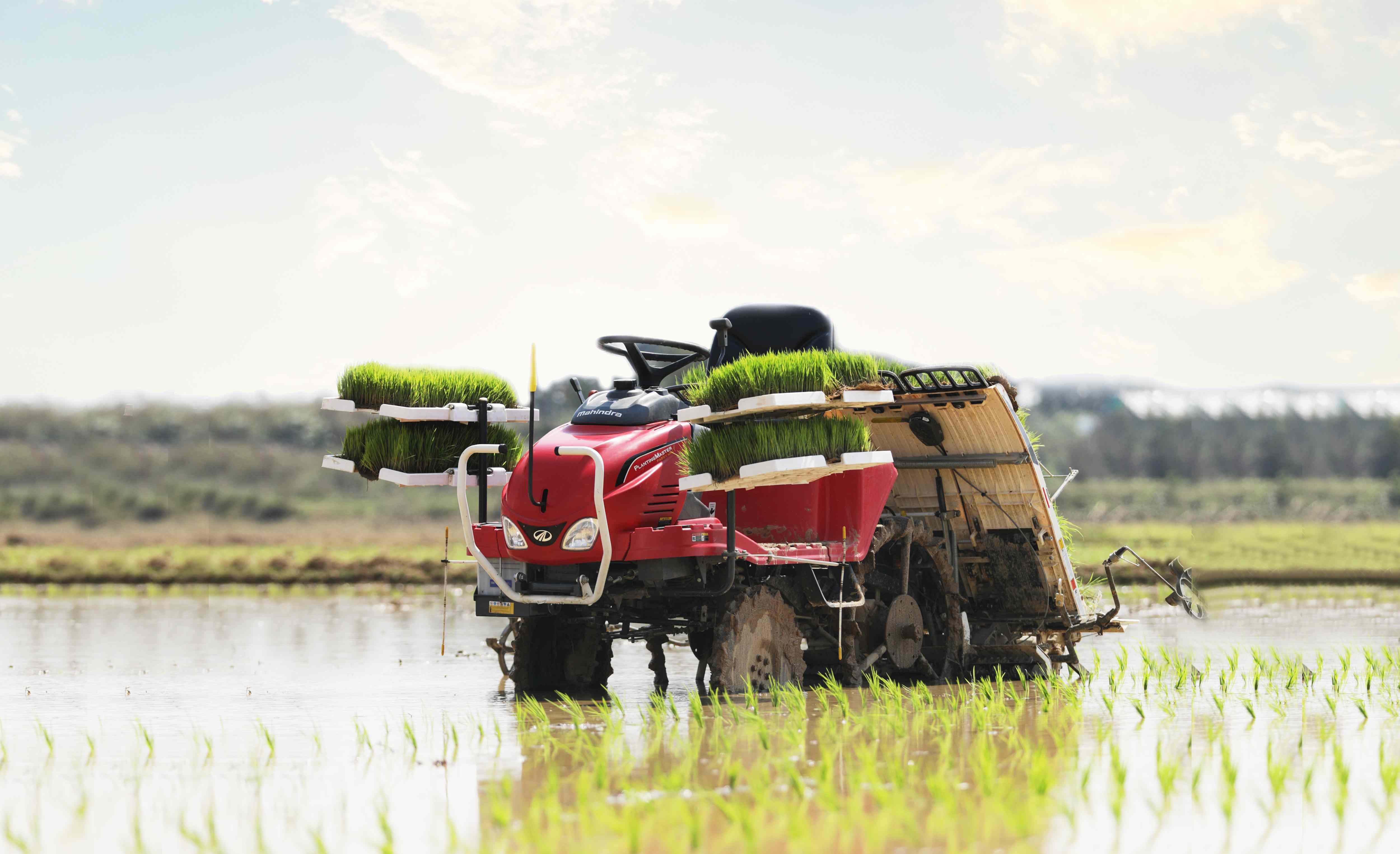
Heading 1: Revolutionizing Rice Production Through Mechanical Innovation
Revolutionizing the way rice is produced has been a long-standing goal in the agricultural industry. With the advancement of mechanical innovation, farmers can now streamline their rice production process like never before. The evolution of rice machinery has paved the way for increased efficiency, higher yields, and ultimately, improved livelihoods for farmers around the world.
From state-of-the-art seeders to automated harvesters, the modern tools available to rice farmers are changing the game. With precision planting technology, farmers can ensure every seed is planted at the optimal depth and spacing for maximum yield. Automated irrigation systems allow for precise water management, reducing waste and conserving resources. These advancements not only benefit farmers but also contribute to sustainable agriculture practices for future generations to come.

Heading 2: Cutting-edge Technologies Transforming Traditional Farming Methods
In the realm of agriculture, the evolution of rice machinery has played a significant role in revolutionizing traditional farming methods. With the advent of cutting-edge technologies, farmers have been able to enhance their productivity and streamline their operations like never before. From automated planting and harvesting machines to precision irrigation systems, these innovations have transformed the way rice cultivation is approached.
One notable advancement in rice machinery is the development of robotic weeders that can autonomously identify and remove unwanted plants, reducing the need for manual labor and herbicides. Additionally, the integration of GPS technology in tractors and combine harvesters allows for more precise field navigation and data collection. These technological advancements not only contribute to higher yields and efficiency but also promote sustainable farming practices. The evolution of rice machinery is a testament to the power of innovation in shaping the future of agriculture.
Heading 3: Streamlining Operations with Advanced Machinery and Automation
Rice farming has seen a significant shift towards automation and advanced machinery in recent years, revolutionizing the way operations are streamlined in agricultural settings. With the introduction of cutting-edge technology, farmers are now able to increase efficiency, reduce labor costs, and enhance overall productivity. This evolution in rice machinery has paved the way for a more sustainable and environmentally friendly approach to farming.
One of the key advancements in agricultural technology is the development of automated planting and harvesting equipment, such as rice transplanters and combine harvesters. These machines are equipped with sensors and software that can accurately plant seeds, monitor crop growth, and harvest rice with precision. Additionally, the integration of artificial intelligence and robotics has allowed for real-time data analysis, leading to optimized farming practices and improved crop yields. With these innovations, farmers can now focus on strategic decision-making and overall farm management, taking agriculture to new heights of efficiency and productivity.
Heading 4: Recommendations for Implementing Modern Agricultural Equipment in Rice Cultivation
When it comes to modernizing rice cultivation, implementing advanced agricultural equipment is key. To maximize efficiency and yield, it is essential for farmers to embrace new technologies that can streamline farming processes. One recommendation for achieving this is to invest in state-of-the-art machinery such as precision seeders and automated harvesters. These tools can significantly improve planting accuracy and harvesting speed, ultimately leading to higher productivity in rice fields.
Another important aspect to consider when incorporating modern agricultural equipment in rice cultivation is the utilization of data-driven analytics. By harnessing the power of technology, farmers can analyze crop performance, soil health, and weather patterns to make informed decisions about irrigation, fertilization, and pest control strategies. This data-driven approach can help optimize resource usage and minimize environmental impact, ensuring sustainable and successful rice farming practices for the future.
Key Takeaways
As we reflect on the fascinating journey of rice machinery and its transformation over the years, it is evident that innovation in agricultural technology has played a crucial role in shaping the way we cultivate and harvest rice. From the primitive tools of the past to the cutting-edge machinery of today, the evolution of rice technology has revolutionized the way we produce this staple crop. As we look towards the future, it is exciting to think about the endless possibilities that lie ahead in the world of agricultural innovation. With each new advancement, we move closer to creating a more sustainable and efficient agricultural system that will benefit not only farmers but also the environment. The evolution of rice machinery is a testament to human ingenuity and our determination to constantly improve and adapt in order to meet the challenges of tomorrow.




