
In the world of rice cultivation, there is an often-overlooked art that plays a crucial role in determining the quality of the final product: rice polishing. This intricate process, which involves removing the outermost layer of each grain, is essential for enhancing the texture, appearance, and taste of rice. Join us as we delve into the fascinating world of rice polishing and explore how this age-old technique can elevate the quality of grains to new heights.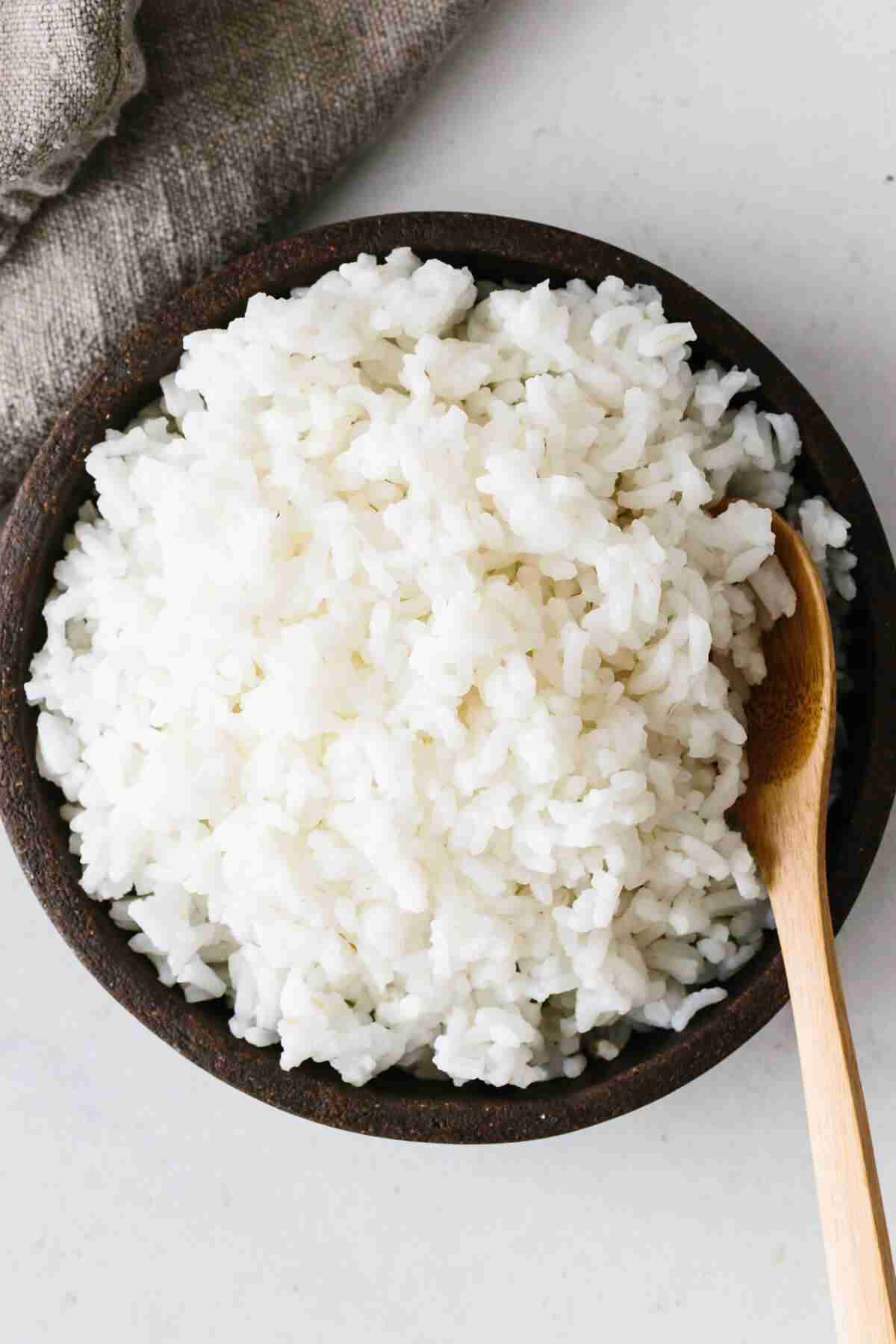
Understanding the Importance of Rice Polishing
Rice polishing is a crucial step in the production process that involves removing the outer layers of the grain to reveal the delicate inner core. Through this meticulous process, the quality of the rice is greatly enhanced, resulting in a more refined and polished product that is not only visually appealing but also boasts a superior taste and texture. The art of rice polishing is truly a testament to the dedication and precision of rice producers who strive for perfection in every grain.
By polishing rice, producers are able to achieve several key benefits that elevate the overall quality of the grains. Some of the advantages of rice polishing include:
- Improving the appearance of the rice by removing outer layers
- Enhancing the taste and aroma of the rice
- Increasing the shelf life of the rice

Techniques for Effective Rice Polishing
Rice polishing is an essential process to enhance the quality and appearance of rice grains. There are several techniques that can be employed to effectively polish rice, resulting in a more refined product that is not only visually appealing but also cooks to perfection.
Some include:
- Water Polish: Submerging rice in water and rotating it gently to remove surface impurities.
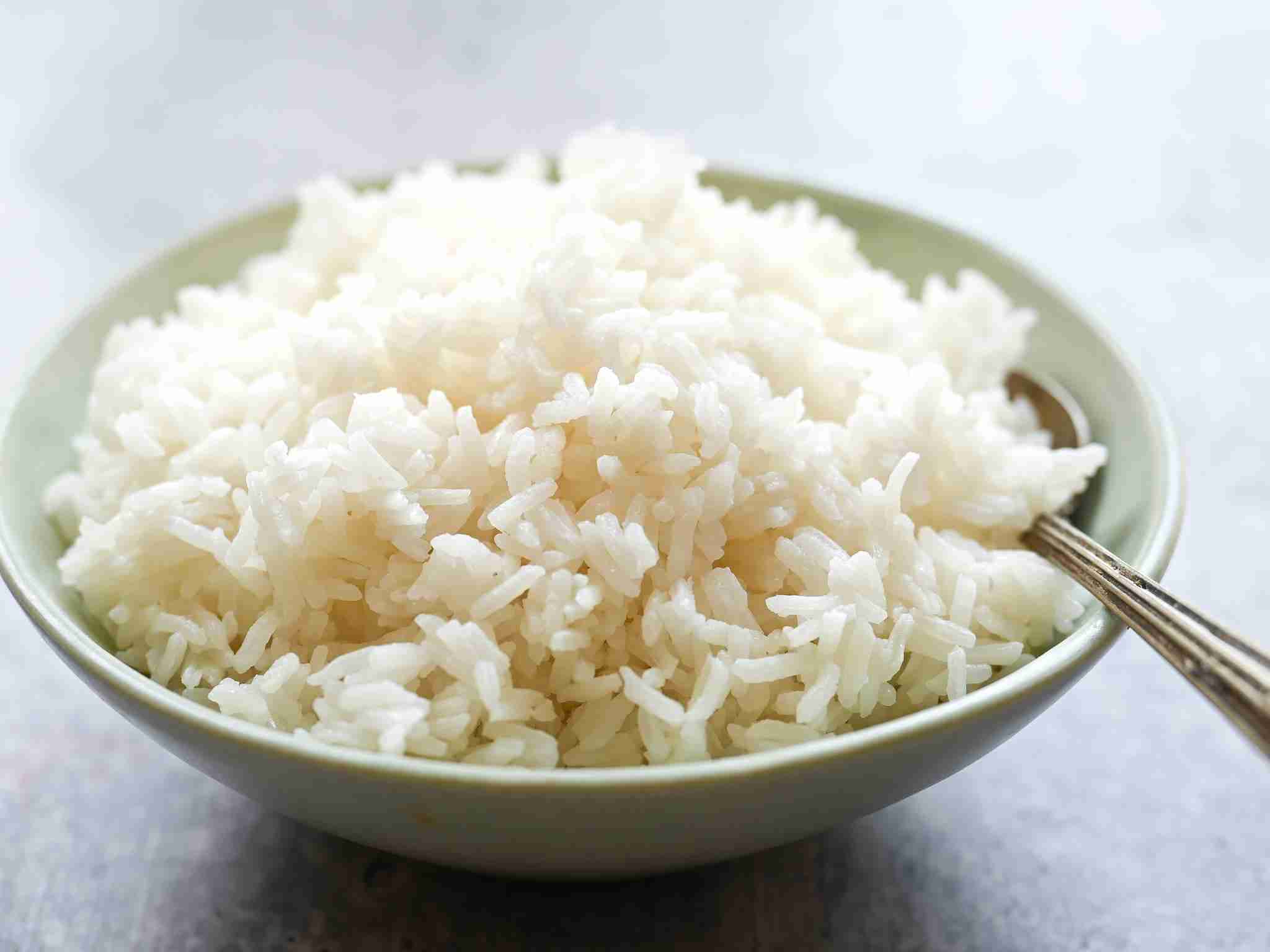
- Whitening: Using a whitening machine to remove the outer layer of rice grains, revealing a shiny and polished surface.
- Modern Rice Polishing Machines: Utilizing state-of-the-art machinery that ensures uniform polishing for consistent quality.
Factors Affecting Rice Polishing Quality
When it comes to rice polishing, there are several factors that can greatly impact the quality of the grains. One of the key factors is the type of polishing machine used. The efficiency and settings of the machine can determine how much of the outer bran layer is removed, affecting the appearance and texture of the rice. It’s important for rice mills to invest in high-quality polishing machines and regularly maintain them to ensure consistent results.
Another important factor to consider is the moisture content of the rice grains. Rice that is too dry can become brittle during the polishing process, leading to breakage and uneven polishing. On the other hand, rice that is too moist can be prone to clumping and uneven polishing. Finding the perfect balance in moisture content is crucial for achieving a uniform and glossy finish. Additionally, the quality of the raw rice itself, as well as the polishing duration and technique, play a significant role in determining the final quality of the polished grains.
Tips for Achieving Optimal Rice Polishing Results
Rice polishing is a crucial step in the process of refining rice grains to achieve the desired quality. To enhance the quality of grains, it is essential to follow some key . By implementing these tips, you can ensure that your rice grains are polished to perfection, resulting in a superior product that is both visually appealing and delicious.
One important tip for achieving optimal rice polishing results is to adjust the milling settings according to the type of rice being polished. Different types of rice require different levels of polishing to achieve the desired quality. By adjusting the milling settings accordingly, you can ensure that each batch of rice is polished to perfection. Additionally, it is important to regularly clean and maintain the rice polishing equipment to ensure that it operates efficiently and effectively. Regular maintenance will help prevent any issues that may affect the quality of the polished rice grains.
Wrapping Up
In conclusion, the art of rice polishing is a meticulous and time-honored process that plays a crucial role in enhancing the quality of grains. From removing outer layers to uncovering the nutritious core, this technique not only improves the appearance and texture of rice but also boosts its flavor and aroma. So next time you enjoy a bowl of perfectly polished rice, take a moment to appreciate the craftsmanship and skill that goes into creating such a simple yet essential staple. Embrace the beauty of rice polishing and savor every delicious grain.




