
In the verdant fields where tradition meets innovation, a silent revolution is unfolding—one that promises to transform the very essence of agriculture. At the heart of this change lies a humble yet ubiquitous staple: rice. Once cultivated solely by hand and reliant on age-old techniques, the production of this vital grain is now being reshaped by cutting-edge machinery. As we delve into the impact of rice machinery, we uncover how advancements in technology are not only enhancing efficiency but also addressing the formidable challenges of climate change, labor shortages, and food security. This article aims to explore the intersection of machinery and rice farming, showcasing how novel tools and techniques are paving the way for a more sustainable and productive agricultural future. Join us on this journey through the fields that feed millions, where innovation is sowing the seeds of a new agricultural era.
Transforming Rice Cultivation with Precision Technology
As the world grapples with the challenges of food security and increasing population demands, the integration of precision technology in rice cultivation stands at the forefront of agricultural innovation. Advanced machinery, including automated seeders, precision planters, and drone-assisted monitoring systems, has streamlined the cultivation process, resulting in significantly higher yields and reduced environmental impact. Farmers now have access to real-time data that allows for effective decision-making, enabling them to optimize everything from soil nutrients to water usage, ensuring that each inch of farmland is maximized for productivity.
The benefits of incorporating precision technology are multi-faceted, leading to improvements not only in efficiency but also in sustainability. Key advantages include:
- Reduced input costs through targeted resource application.
- Minimized water usage, addressing the growing concerns of climate change.
- Enhanced crop health monitoring, leading to timely interventions against pests and diseases.
Notably, these advancements come together to reduce waste and increase output, ultimately paving the way for a resilient rice farming future. A comparative analysis of traditional versus precision farming methods reveals striking differences in productivity:
| Farming Method | Average Yield (tons/ha) | Water Usage (liters/ha) |
|---|---|---|
| Traditional | 3.5 | 10,000 |
| Precision | 5.2 | 6,500 |
This clear discrepancy underlines the potential of precision technology to not only meet the demands of a growing population but also to do so in a manner that conserves resources and protects our ecosystem.

Enhancing Yield and Efficiency through Modern Rice Machinery
In the modern landscape of agriculture, the integration of advanced machinery is pivotal for achieving higher yields and improved efficiency in rice production. The evolution of rice machinery—from traditional hand tools to innovative mechanized systems—has transformed cultivation practices. Today’s farmers rely on equipment designed to handle a range of tasks, thus minimizing labor costs and maximizing productivity. The benefits of modern rice machinery include:
- Precision Seeding: Automated seeders ensure optimal planting depth and spacing, leading to uniform crop growth.
- Efficient Harvesting: Combine harvesters drastically reduce the time and effort needed for harvesting, helping farmers capitalize on narrow harvesting windows.
- Post-Harvest Processing: Machinery designed for milling and processing enhances the quality of rice by reducing losses and improving cleanliness.
Furthermore, data-driven technology integrated into rice machinery enables farmers to monitor conditions in real time, ensure efficient resource use, and make informed decisions. Such advancements allow for:
| Technology | Benefits |
|---|---|
| GPS Guidance Systems | Improved field coverage and reduced overlap in planting and fertilizing tasks. |
| Drone Surveillance | Real-time monitoring of crop health and identification of pest issues. |
Through these advancements, farmers are empowered to not only increase their yield per acre but also sustainably manage their resources. The future of rice cultivation looks promising as we embrace the efficiency and effectiveness that modern machinery brings to the field.
Sustainability and Environmental Benefits of Advanced Rice Equipment
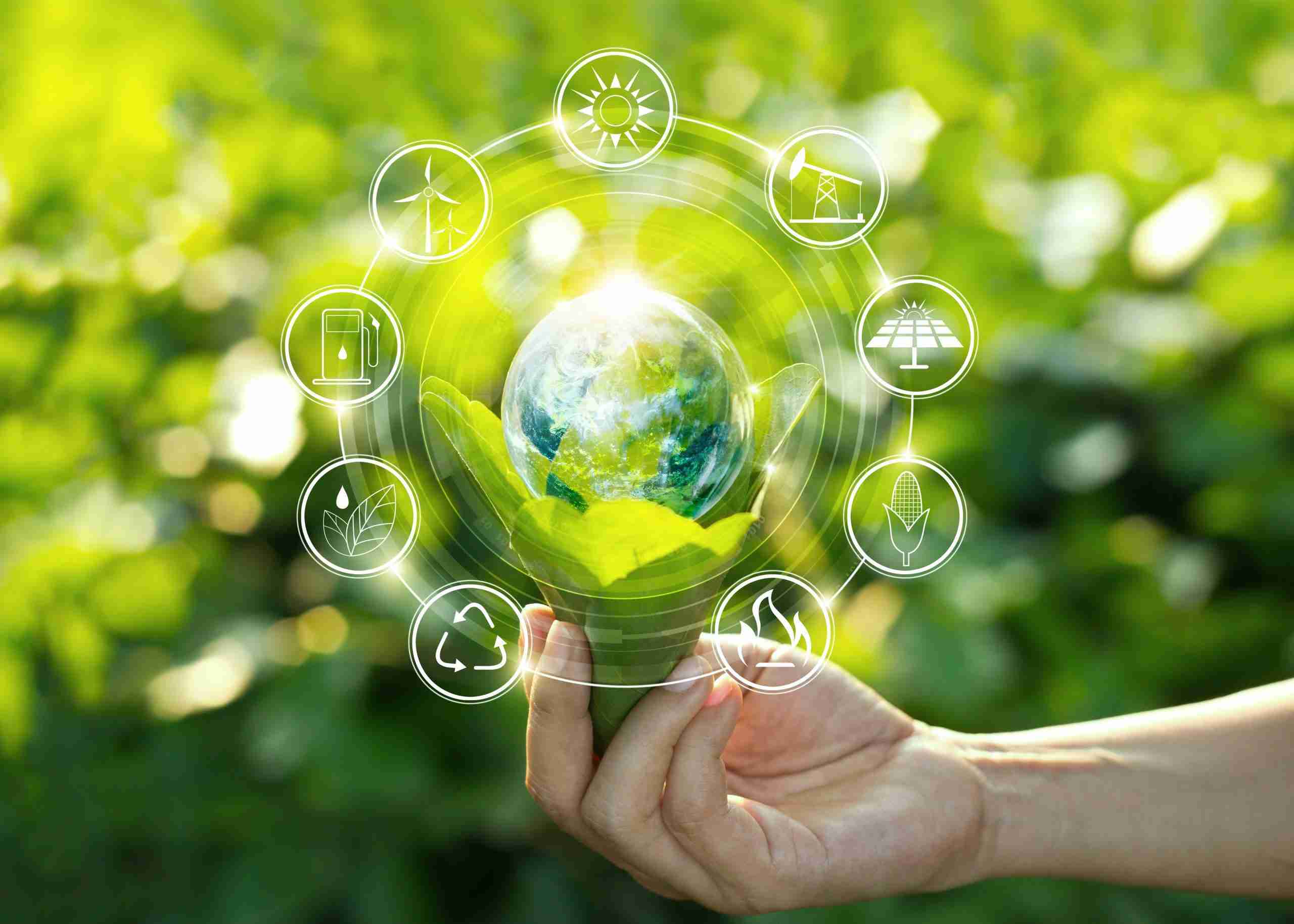
Advanced rice machinery is making significant strides in promoting sustainable agricultural practices, leading to a more environmentally friendly approach to rice production. By incorporating cutting-edge technologies and efficient processes, these machines contribute to reduced resource consumption and minimal environmental impact. Farmers can now utilize precision farming techniques through advanced machinery, allowing for more targeted application of water and fertilizers. This not only decreases the runoff of chemicals into local waterways but also enhances the soil’s health over time. Additionally, the integration of renewable energy sources, such as solar power, in the operation of rice equipment further reduces the carbon footprint associated with traditional farming practices.
The environmental benefits extend beyond simply reducing inputs; advanced rice equipment also promotes biodiversity and soil conservation. With features like low-till farming and precision sowing, these technologies can help maintain soil structure and reduce erosion. As a result, they play a crucial role in preserving essential habitats for local wildlife. Furthermore, modern rice machinery often includes systems for managing crop residue, like straw, which can be repurposed as compost or fodder, thereby closing the nutrient loop within the farming ecosystem. The table below illustrates some of the key benefits provided by these advancements:
| Benefit | Description |
|---|---|
| Reduced Water Usage | Precision irrigation technologies enable more efficient water management. |
| Minimized Chemical Use | Targeted fertilizer application reduces reliance on chemicals. |
| Improved Soil Health | Low-till practices help preserve soil structure and nutrients. |
| Enhanced Biodiversity | Environmentally conscious practices support local ecosystems. |
Empowering Farmers with Innovative Solutions and Training Programs
In the ever-evolving landscape of agriculture, empowering farmers with cutting-edge solutions and comprehensive training programs has become essential for sustainable growth. Innovative rice machinery plays a pivotal role in transforming traditional farming practices, enabling farmers to increase productivity while reducing labor intensity. By incorporating advanced technologies such as mechanized tilling, automated planting, and efficient harvesting systems, farmers can significantly boost their yields and manage their resources more effectively. Here are some key benefits:
- Enhanced Efficiency: Machinery that automates repetitive tasks reduces time and labor costs.
- Improved Quality: Modern equipment ensures more consistent planting and harvesting, leading to higher-quality produce.
- Resource Management: Precision technology allows for better use of water and fertilizers, minimizing waste.
- Skills Development: Training programs equip farmers with the technical knowledge needed to operate new machinery effectively.
Moreover, these machines are often paired with training modules that focus not only on operation but also on maintenance and innovation. Understanding how machinery functions allows farmers to extend the lifespan of their equipment, ensuring that they are not only consumers but also caretakers of their tools. In addition, many programs emphasize the importance of sustainability in farming practices, teaching farmers how to leverage technology to promote environmentally friendly farming methods. Consider the following aspects of these training programs:
| Training Module | Description |
|---|---|
| Operational Training | Hands-on sessions teaching the use of rice machinery. |
| Maintenance Practices | Guidelines on keeping machines in peak condition. |
| Sustainable Techniques | Integrating eco-friendly practices into daily operations. |
| Data Management | Using technology to monitor crop health and yield. |
Future Outlook
As we stand on the threshold of a new agricultural era, the role of advanced rice machinery cannot be overstated. These innovations are not merely tools; they are the catalysts transforming the landscape of rice production and promising a more sustainable future. From reducing labor costs to enhancing efficiency and fostering environmental stewardship, the impact of technology on rice farming serves as a testament to human ingenuity in the face of global challenges.
As we look ahead, it is essential to embrace these changes while also being mindful of their implications on local communities and ecosystems. By striking a balance between innovation and tradition, we can craft a path that not only uplifts farmers but also safeguards our planet. The journey of revolutionizing agriculture through rice machinery is just beginning, and its potential continues to unfold like the grains of rice themselves—each one a promise of nourishment, growth, and resilience.
Together, let us cultivate a future where agriculture thrives, harnessing the power of technology for the benefit of all.




