
In the heart of countless kitchens around the world, rice serves as a staple, a canvas upon which culinary traditions are painted. Yet, beneath the simplicity of this grain lies a complex interplay of agronomy and technology. As consumers increasingly advocate for quality, the rice industry has responded with innovations that go beyond mere cultivation. Enter the realm of rice polishers—remarkable machines that represent the delicate balance between art and science. These devices not only enhance the visual appeal of rice but also play a crucial role in maintaining its nutritional integrity and flavor profile. In this exploration, we delve into the intricate processes behind rice polishing, uncovering how these advancements have transformed each grain into a work of art, while also addressing the practical concerns of modern-day production. Join us as we uncover the nuances of this essential yet often overlooked aspect of the rice industry, celebrating the synergy between tradition and technology that shapes the quality of our daily sustenance.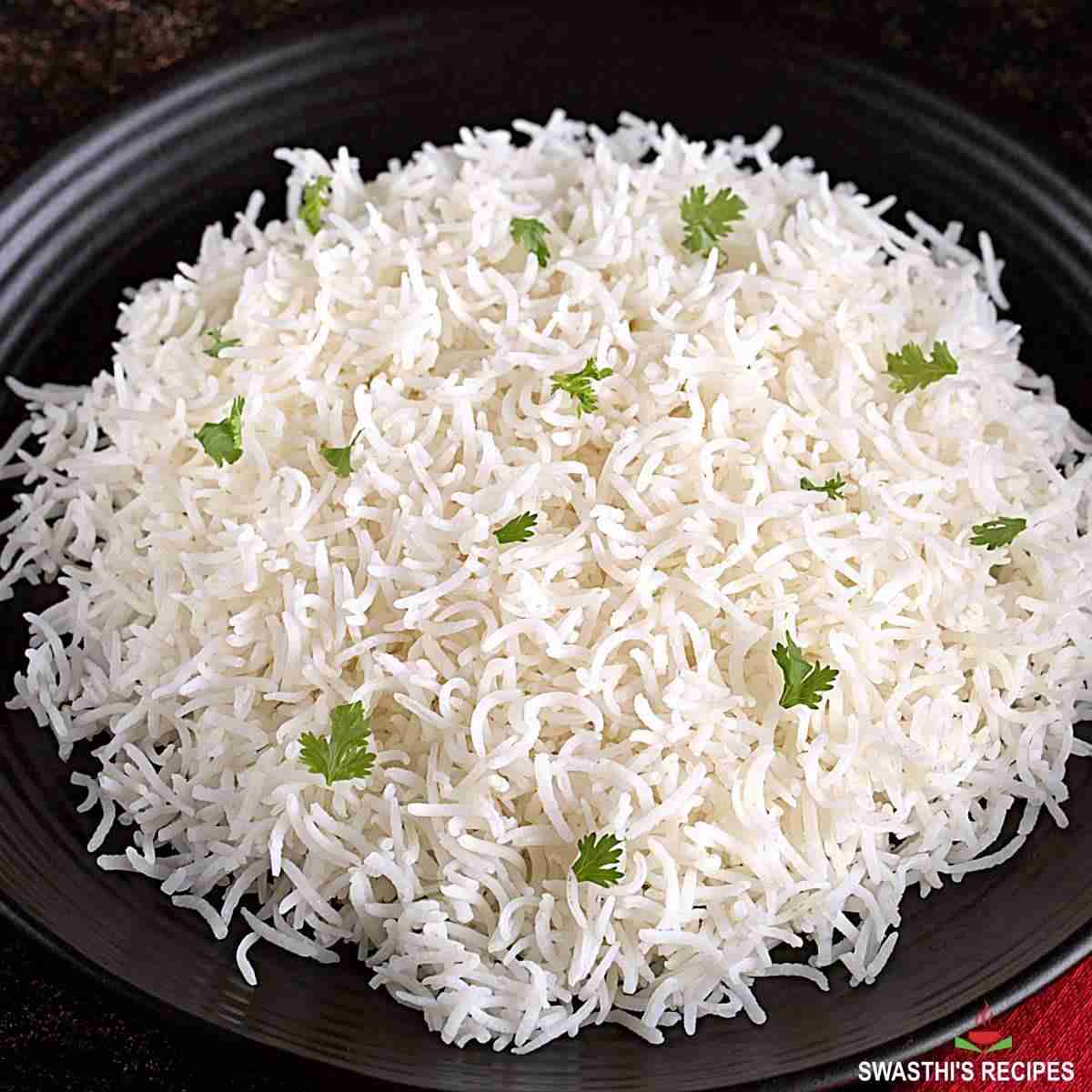
Exploring the Evolution of Rice Polishing Techniques
Throughout history, the transformation of rice polishing techniques has been an intricate blend of artistry and scientific advancement. Traditional methods, often passed down through generations, utilized simple tools such as wooden mortars and pestles or rudimentary grinding stones. These methods prioritized the removal of the outer husk to reveal the white, edible grain beneath. However, as society evolved, so too did the tools and methods of rice polishing, ushering in the era of mechanization. This transition marked a shift from labor-intensive approaches to more efficient processes that could preserve not just the appearance of the grain, but also its nutritional integrity. The advent of rice polishers revolutionized the industry, leading to innovations such as adjustable pressure settings and multi-stage polishing systems that minimize the loss of essential nutrients while achieving desired aesthetic qualities.
The scientific understanding of rice polishing has also progressed, focusing on the effects of various polishing techniques on rice quality and flavor. Researchers have identified important factors such as polishing time, pressure, and temperature that can significantly influence the overall characteristics of the polished grain. Enhanced polishing methods now aim to balance aesthetics and health benefits, striving for a product that is visually appealing while retaining its fiber and vitamin content. These advancements highlight the importance of integrating modern technology with traditional knowledge, fostering a deeper appreciation for this staple food. In efforts to summarize the evolution of rice polishing, consider the following table detailing key techniques and their impacts:
| Polishing Technique | Characteristics | Impacts on Quality |
|---|---|---|
| Manual Polishing | Labor-intensive, traditional | Retains texture and nutrients |
| Mechanical Polishers | Efficient, scalable | Consistent quality, potential nutrient loss |
| Multi-Stage Systems | Advanced technology | Optimization of aesthetics and nutrition |
Understanding the Impact of Grain Quality on Culinary Experience
To appreciate the culinary potential of rice, one must delve into the intricacies of grain quality. The sensory experience of consuming rice goes beyond mere nourishment; it involves flavor, texture, and aroma—each depending significantly on the quality of the grain. A polished grain not only enhances appearance but also affects cooking properties, allowing for a fluffier texture and improved water absorption. The removal of impurities and the bran layer, which is often rich in nutrients but can also harbor bitterness, is essential in achieving a balance between flavor and palatability.
Polished rice is often evaluated based on various parameters that directly influence its role in different dishes. Key factors include:
- Grain Shape: Short, medium, or long grain can transform the dish’s presentation.
- Moisture Content: Optimal humidity levels ensure ideal cooking conditions.
- Color and Luster: The visual appeal of rice complements a dish aesthetically.
Understanding these qualities allows chefs and home cooks alike to select the right variety for their culinary creations, making rice an indispensable ingredient in a wide array of cuisines. The process of polishing, although seemingly mechanical, is a nuanced art that marries tradition with modern science, ultimately shaping the dining experience into something extraordinary.
Innovative Technologies Revolutionizing Rice Polishing
As the demand for high-quality rice continues to rise globally, innovative technologies are transforming the traditional methods of rice polishing. Modern rice polishers now incorporate advanced features such as laser sorting and smart sensors that enhance the efficiency of the polishing process. These technologies ensure that only the best grains make it through, significantly reducing waste and improving overall product quality. The integration of AI-driven analytics allows millers to monitor and optimize the polishing parameters in real time, tailoring the process to different rice varieties to achieve the desired texture and appearance.
Moreover, environmentally friendly polishing techniques are gaining traction, where methods like water polishing and the use of natural abrasives are increasingly preferred. These alternatives not only preserve the nutritional value of rice but also minimize the environmental footprint of rice milling operations. To further enhance this transformation, manufacturers are also investing in energy-efficient machines that reduce energy consumption during the polishing process, making it a more sustainable choice for rice producers. The evolution of these technologies signals a future where rice polishing not only meets consumer expectations for quality but also respects ecological considerations.
Best Practices for Selecting and Maintaining Rice Polishers
Selecting a rice polisher involves careful consideration of several key factors to ensure optimal performance and product quality. Start by assessing the capacity requirements based on your production scale, as different models cater to various throughput needs. It’s also essential to evaluate the degree of milling required, as some polishers allow for precise control over the polishing process, ensuring that the brown rice retains its nutritional benefits while achieving the desired aesthetic appeal. Additionally, consider models that facilitate easy maintenance and cleaning; this will greatly enhance longevity and efficiency.
Once you’ve selected the right equipment, maintaining your rice polisher becomes paramount. Regular inspection of mechanical parts ensures that everything operates smoothly, preventing unexpected breakdowns. Create a routine schedule for cleaning the hopper and polishing chamber to eliminate residues that can impact rice quality. Here are some essential maintenance tips:
- Check for wear and tear: Regularly inspect belts and rollers.
- Keep it clean: Remove rice dust and remnants after each use.
- Calibrate settings: Ensure that speed and pressure settings are optimal for the rice variety being polished.
| Maintenance Task | Frequency | Notes |
|---|---|---|
| Inspect Mechanical Parts | Weekly | Replace any worn components promptly. |
| Clean Chamber and Hopper | After Each Use | Prevents buildup and contamination. |
| Calibrate Settings | Monthly | Based on rice type. |
Wrapping Up
As we conclude our exploration of rice polishers and their pivotal role in enhancing rice quality, it becomes clear that this tool is not merely a piece of machinery but a fine blend of art and science. The delicate balance between removing bran layers and preserving essential nutrients is a skill that has evolved through generations. These innovations reflect not only advances in technology but also a deep respect for the agriculture that sustains us.
As consumers, our understanding of the polishing process invites a deeper appreciation for the grains that grace our tables. Every polished grain carries with it the story of tradition, craftsmanship, and a relentless pursuit of quality. Whether you are a farmer, a mill operator, or simply an aficionado of fine rice, acknowledging the journey from field to plate enriches our culinary experiences.
enhancing rice quality through polishing stands as a testament to human ingenuity. It’s a dance between nature and technology, a celebration of heritage, and a commitment to delivering excellence. As we continue to innovate and refine these processes, let us remember that every grain tells a story—one that is well worth savoring.




