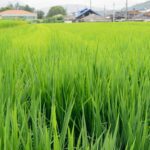
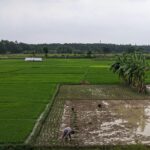
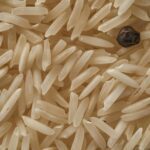
In the intricate world of culinary arts,the pursuit of excellence begins long before the cooking process; it starts with the very ingredients that grace our plates. Among these, rice stands out as a staple that transcends cultures and cuisines, making its way into kitchens worldwide. Yet, the journey from paddy to plate is not a simple one; it involves a delicate dance of tradition and innovation, particularly when it comes to the fine art of rice polishing. This craft, often overlooked in the broader conversation about food quality, plays a pivotal role in enhancing grain quality, flavor, and texture. As we delve into the nuances of rice polishing,we’ll explore the intricacies of this age-old technique,its impact on the culinary landscape,and how mastering it can transform not just the grain itself,but also the dishes it complements. Join us as we unravel the layers of rice polishing—the secret that elevates this humble grain to new heights.
The Science Behind Rice Polishing Techniques
The meticulous process of rice polishing involves a series of scientific techniques designed to enhance the quality, taste, and texture of rice grains. By carefully removing layers of bran and germ, this process elevates the aesthetic appeal and nutritional profile of the rice. Understanding the characteristics of different rice varieties is crucial to applying the right polishing method. Factors influencing this process include:
- Grain hardiness: Harder grains require different polishing techniques to avoid breakage.
- Moisture content: the ideal moisture level is essential to achieve desired texture and minimize waste.
- Starch composition: The ratio of amylose to amylopectin can dictate the final grain’s cooking properties.
To further illustrate these techniques, consider the table below, which summarizes the effects of different polishing methods on rice quality:
| Polishing Method | Impact on Grain | Nutrition Retention |
|---|---|---|
| Conventional Milling | High shine, moderate uniformity | Lower nutrient retention |
| Wet Polishing | Smooth texture, reduced broken grains | Higher vitamin retention |
| Cold Water Method | Enhanced translucence, optimal moisture | Maximized amino acids retention |
These polishing techniques highlight the delicate balance between visual appeal and nutritional integrity. As consumers increasingly seek high-quality rice, understanding the science behind cross-sectional grain treatments becomes essential for producers and connoisseurs alike.
Exploring Traditional and Modern methods for Optimal Grain Quality
In the realm of rice processing, a delicate balance between traditional techniques and modern innovations can significantly influence the quality of the final product. Traditional polishing methods, often reliant on the expertise of skilled artisans, focus on maintaining the rice’s integrity while enhancing its appearance. These techniques may include hand-polishing with natural abrasives that not only refine but also preserve the grain’s nutritional value. Conversely, modern approaches utilize advanced machinery equipped with sensors and precision technology, enabling a greater consistency in results. This evolution has sparked a wider conversation about sustainability, as the energy efficiency of new machinery contrasts with the lower carbon footprint of traditional methods.
Notably, the choice of polishing process can lead to variances in grain texture and taste, offering rice enthusiasts a rich tapestry of experiences. The following table outlines the core differences between these methods:
| Aspect | Traditional Methods | Modern Methods |
|---|---|---|
| Efficiency | Lower, time-consuming | Higher, fast processing |
| Flavor Retention | Better, gentle touch | Variable, based on technology |
| Environmental Impact | Lower, minimal machinery | Higher, energy-intensive |
| Consumer Preference | Admired for authenticity | Valued for convenience |
Each method presents its own set of advantages and disadvantages, inviting producers to explore what aligns best with their goals. With ongoing advancements in technology complementing centuries-old practices, the rice polishing process stands at a unique intersection were heritage meets innovation. This exploration not only seeks optimal quality but also emphasizes the importance of preserving cultural traditions in the face of modernization.
Key Factors Influencing Rice Polish Efficiency and Flavor Profile
Several elements play a significant role in determining the efficiency of rice polishing, shaping not only the grain’s appearance but also its ultimate flavor profile. The type of rice being polished is a primary factor; varietals such as Jasmine or Basmati offer distinct textures and tastes. Likewise,the polishing technique employed—whether abrasive milling or friction polishing—affects the surface characteristics and quality of the rice. Each method can yield varying degrees of grain luster and nutritional retention, ultimately influencing the consumer’s experience. Additionally, moisture content and temperature during the polishing process can significantly impact the final flavor, as excessive heat may lead to the loss of essential volatile compounds that contribute to aroma.
Moreover, understanding time parameters and grit size is crucial for achieving optimal results. Shorter polishing times frequently enough preserve more nutrients, while fine grit can impart a polished sheen, pleasing the eye but sometiems sacrificing taste. The interplay between environmental conditions and the freshness of rice also cannot be overlooked; older grains may require adjustments in polishing to achieve the desired quality. In the table below, key factors that influence rice polishing efficiency and the resultant flavor profiles are summarized:
| Factor | Influence on Polishing | flavor Impact |
|---|---|---|
| Type of Rice | Distinct flavors and textures | |
| Polishing Method | Affects sheen and nutrient retention | Varies by technique used |
| Moisture & Temperature | Critical for even processing | preservation of aroma compounds |
| Polishing Time & Grit Size | Directly relates to quality outcomes | Balances aesthetic and flavor |
| Environmental Conditions | Influences overall efficiency | Affects taste consistency |
Practical Tips for Achieving Perfectly Polished Rice at Home
Achieving beautifully polished rice at home is both an art and a science, requiring attention to detail and the right techniques. Start by selecting high-quality grains, as the type of rice can significantly influence the final outcome.Short-grain rice tends to yield a stickier finish, while long-grain varieties offer a fluffier texture.Before the polishing process begins, rinse the rice under cold water to remove excess starch. This not only cleans the grains but also helps prevent them from becoming gummy during cooking. Next, consider using a traditional mortar and pestle or a rice polishing machine to achieve that pristine shine. Polishing by hand may take longer but can be more rewarding as you’ll have greater control over the texture and quality of the rice.
Timing and technique play crucial roles in perfect rice polishing. Focus on the pressure applied during the process; too much force can lead to broken grains, while too little may not deliver the desired sheen. To assist in yoru journey toward perfectly polished rice, follow these helpful pointers:
- Rinse thoroughly: wash the rice multiple times until the water runs clear.
- Soaking: Soak the rice for 30 minutes before polishing to soften the grains.
- Drying: After polishing,let the rice air dry for a few hours to lock in the shine.
For ease of reference, the following table outlines the polishing times and recommended methods for various rice types:
| Rice Type | polishing Method | Recommended time |
|---|---|---|
| short-Grain | Mortar and Pestle | 5-7 minutes |
| Medium-Grain | Rice Polisher | 3-5 minutes |
| Long-Grain | Hand Rubbing | 10 minutes |
Implementing these strategies not only enhances the visual appeal of your rice but can also contribute to a delightful cooking experience. Perfectly polished rice invites a more sophisticated presentation to any meal, elevating your dining occasions to new heights.
in summary
As we conclude our exploration of the intricate world of rice polishing, it becomes evident that this seemingly simple process is an art form in its own right. Beyond the gleam of polished grains lies a thoughtful interplay of tradition,technology,and culinary excellence. From the meticulous grinding techniques that enhance texture to the careful adjustments that preserve nutrients, rice polishing reveals the dedication of those who tend to this staple food with reverence and skill.
In an ever-evolving landscape of agriculture and gastronomy, the future of rice polishing holds promising potential. Innovations in milling technologies and a growing awareness of lasting practices are paving the way for improved quality and accessibility.With each polished grain, we not only elevate the dining experience but also honor centuries of heritage.
So, the next time you savor a bowl of perfectly polished rice, take a moment to appreciate the journey it has taken—from farm to table. This humble grain, enhanced through the art of polishing, is a testament to human ingenuity and our enduring connection to the food we cherish.