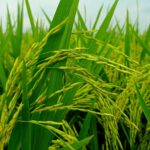
In an era where technology reshapes industries at an unprecedented pace, the agricultural sector stands at the forefront of this evolution—especially in the realm of rice cultivation. The heart of this staple food, paddy, undergoes a transformative journey from field to plate, and at the core of this journey lies the innovation of cutting-edge paddy processing machines. These technologically advanced tools are not merely machinery; they are catalysts for efficiency, sustainability, and quality enhancement in rice production. As we delve into the myriad benefits these machines offer, it becomes clear that their impact extends beyond the farm, influencing food security, economic growth, and environmental stewardship. Join us as we unveil the advantages of modern paddy processing technology, illuminating how it shapes the future of rice production and supports the livelihood of millions worldwide.
Embracing Innovation in Paddy Processing Technology
In the ever-evolving landscape of agriculture, the integration of advanced technology into paddy processing is transforming customary practices into streamlined operations. By utilizing cutting-edge machines, farmers can substantially enhance efficiency and productivity. These innovations not only reduce the time required to process rice but also improve the quality of the final product. Modern paddy processing machines feature automation capabilities that minimize manual labor, reducing the risk of human error and inconsistency, thus ensuring a higher standard of output.
The advantages of modern paddy processing technologies extend beyond just efficiency and quality. They embrace sustainability and economic viability, allowing farmers to achieve better yields while lowering their environmental footprint. Key benefits include:
- Reduced Post-harvest Losses: Advanced machinery can decrease the likelihood of spoilage.
- Energy Efficiency: State-of-the-art models consume less energy, leading to cost savings.
- Enhanced Nutritional Quality: These machines preserve essential nutrients effectively during processing.
- scalability: Options range to fit varying farm sizes and processing needs, making technology accessible to all.
| Technology Type | Benefits |
|---|---|
| Automatic Milling Machine | Increases throughput and reduces labor cost |
| De-Husking Machine | Improves grain color and reduces breakage |
| Rice polisher | Enhances surface smoothness and appearance |
| Seed Separator | Ensures highest quality seeds for improved yields |

Enhancing Yield and Quality through Advanced Machinery
In the realm of paddy processing, the integration of cutting-edge machinery has revolutionized the way farmers and processors enhance both yield and quality. By leveraging precision engineering, modern machines are designed to minimize waste and maximize output, ensuring that every grain is utilized effectively. these advanced systems not only sift, dehusk, and polish rice, but they also incorporate state-of-the-art technologies such as automated sorting and moisture control to maintain optimal grain quality. This multifaceted approach helps in preserving essential nutrients while significantly reducing contaminants, leading to a healthier end product.
Moreover, investing in sophisticated equipment translates to enhanced operational efficiency, allowing producers to meet market demands more rapidly and reliably. The benefits extend beyond mere production volume; they encompass a range of features that address quality control, including:
- Improved grain uniformity ensuring consistency in size and color.
- Less breakage and spoilage, leading to higher economic returns.
- Energy efficiency that reduces long-term operational costs.
consequently, not only do advanced paddy processing machines drive profitability, but they also enhance the overall sustainability of agricultural practices. The synergy of technology and traditional farming wisdom forms a promising future for paddy production, setting new standards in quality and productivity.
Sustainable Practices: Reducing Waste and Energy Consumption
Modern paddy processing machines are designed with an emphasis on sustainability,incorporating advanced technologies that maximize efficiency while minimizing environmental impact. By utilizing energy-efficient systems, these machines significantly reduce power consumption throughout the processing cycle. Furthermore, the integration of recyclable materials in their construction reduces the carbon footprint associated with manufacturing. Many of these machines also come equipped with waste management features that facilitate the proper disposal and recycling of byproducts, ensuring that every step of the production process is optimized for sustainability.
In addition to energy conservation, the latest paddy processing solutions are increasingly focused on reducing waste. These machines can achieve remarkably high milling rates, ensuring that more of the grain is utilized and less is discarded.The incorporation of smart technology allows for real-time monitoring of the processing stages,enabling adjustments that minimize residue. Here’s a simple comparison of traditional versus cutting-edge processing machines:
| Feature | Traditional Machines | Cutting-edge Machines |
|---|---|---|
| Energy Consumption | High | significantly Lower |
| Waste Production | Higher | Minimized |
| Material Utilization | Less Efficient | More Efficient |
Future Trends in Paddy Processing: What to Expect and consider
As the demand for quality rice continues to soar globally, the evolution of paddy processing technology represents a pivotal shift in agribusiness. Future advancements will likely focus on automation and smart technologies, which are set to revolutionize the way paddy is processed. expect to see machines equipped with IoT capabilities that allow real-time monitoring and control of processing operations, enhancing efficiency and reducing waste. Innovations such as robotic sorting systems could further streamline operations by ensuring that only the best grains make it to market,thereby enhancing overall product quality.
Moreover, sustainability will become a cornerstone of paddy processing practices, as eco-amiable solutions gain traction due to increasing environmental awareness. Emerging technologies that utilize renewable energy sources, such as solar power, will not only lower operational costs but also minimize carbon footprints. Additionally, advancements in waste management solutions will facilitate the recycling of by-products from paddy processing, such as the use of husks and straws for bioenergy. Key considerations for farmers and processors alike will include:
- Integration of AI and machine learning: For enhanced yield prediction and resource management.
- Investment in sustainable machinery: To reduce environmental impact and promote green practices.
- Collaboration with tech firms: To foster innovation and stay ahead in the competitive market.
| trend | Description | Impact |
|---|---|---|
| Automation | Increased efficiency through minimal human intervention. | Higher productivity and reduced labor costs. |
| Sustainability | Use of eco-friendly technologies and practices. | Better compliance with environmental regulations. |
| Data Analytics | Leveraging analytics for decision-making and operational improvements. | enhanced resource allocation and yield optimization. |
In Retrospect
as we peel back the layers on the world of cutting-edge paddy processing machines, it becomes clear that innovation holds the key to unlocking greater efficiency and quality in the agricultural sector. These advanced machines not only streamline operations but also empower farmers,reduce waste,and enhance the overall value of rice production. As the agricultural landscape continues to evolve,embracing such technology is not just an option but a necessity for those looking to thrive in an increasingly competitive market. by investing in state-of-the-art processing solutions, stakeholders can ensure a sustainable future for rice farming, fostering growth and stability for generations to come.As we step into this new era, the collaboration between tradition and technology could very well redefine the future of paddy processing.