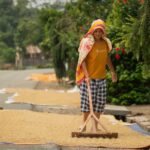
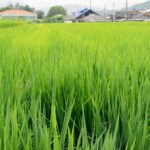
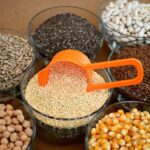
In the heart of agricultural landscapes,where golden heads of rice sway gently in the breeze,lies a transformative journey from paddy to plate—a journey ofen overlooked in the hustle of modern food production. ”Unveiling Paddy Processing: Transforming Grain into Goodness” invites you to explore the intricate process that elevates this humble grain into a staple of nourishment that feeds billions. From the moment rice farmers harvest their crops to the meticulous steps of milling that yield white,polished grains,each phase is steeped in tradition,innovation,and sustainability. Join us as we delve into the methods, technologies, and cultural significance of paddy processing, shedding light on the hard work that turns nature’s bounty into the wholesome goodness that graces our tables. This exploration not only seeks to inform but to celebrate the hidden artistry and dedication that lie behind this essential staple of global cuisine.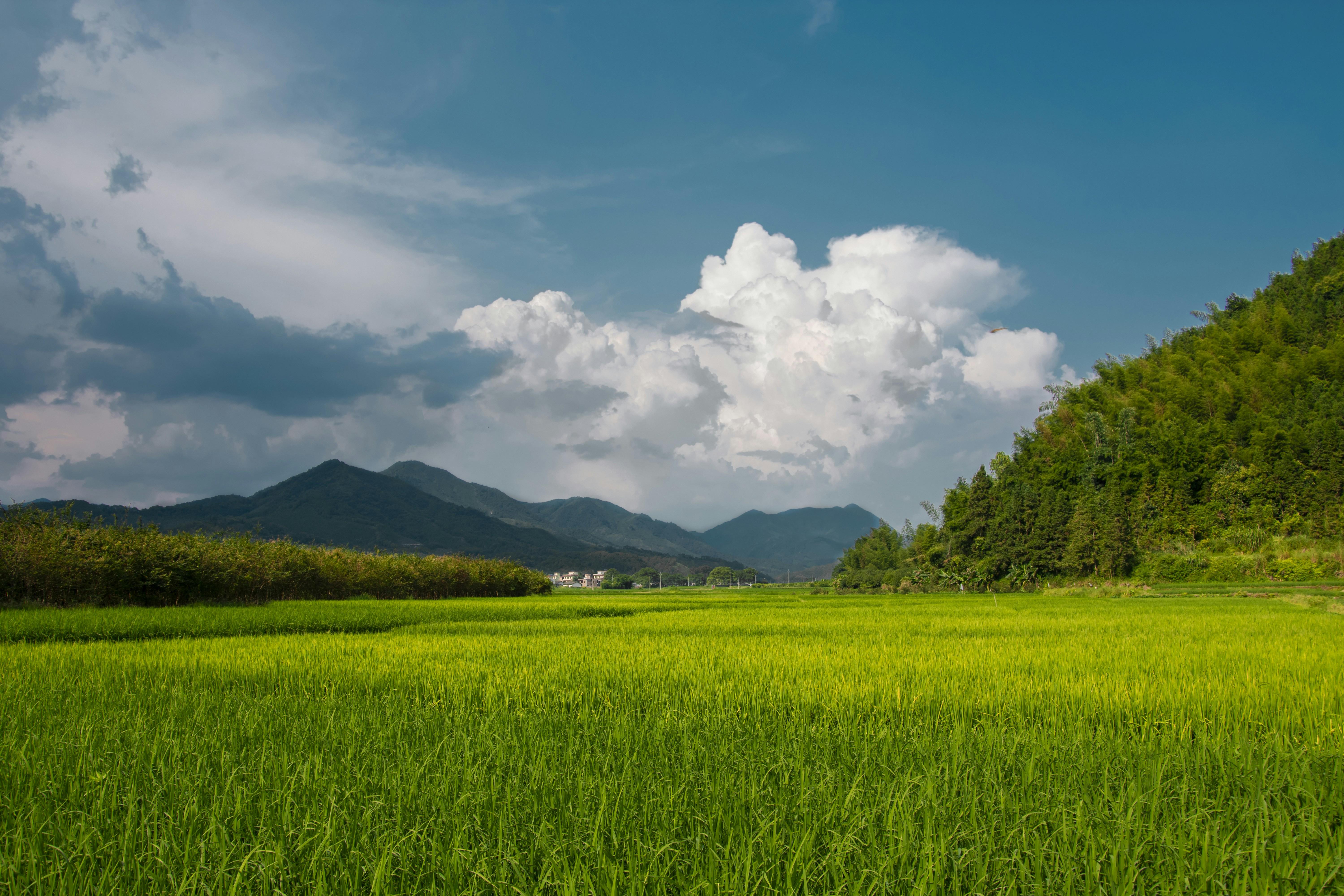
Understanding Paddy: The Journey from Field to Processing Facility
Paddy, the unprocessed form of rice, embarks on a transformative journey from the lush green fields to the bustling processing facilities.This journey begins with cultivation, where farmers nurture their rice paddies, ensuring optimal growth through water management and pest control. Once harvested, the grains face a critical stage: the threshing process. Hear, the grains are separated from the husks, a vital step that marks the transition from raw paddy to the more refined state ready for processing. The richness of nutrients locked within each grain is crucial, and proper handling at this stage can determine the quality of the end product.
Following threshing, the grains are transported to processing plants where they undergo several meticulous steps to enhance their quality and shelf-life.These procedures include drying, milling, and sorting. During milling, the outer husk and bran layers are removed, revealing the pearly white rice underneath. Additional steps like polishing and grading ensure that the rice not only looks appealing but is also consistent in quality. The journey doesn’t end here, as advanced packaging techniques are employed to protect the rice from environmental factors, ensuring that the goodness is preserved until it reaches consumers’ plates. The transformation process is a testament to the intricate operations that elevate humble paddy into a staple food enjoyed around the globe.
| Stage | Description |
|---|---|
| Cultivation | Farmers grow and nurture paddy fields. |
| Threshing | Separation of grains from husks. |
| Drying | Reducing moisture content to prevent spoilage. |
| Milling | removing husks and bran layers. |
| Packaging | protecting rice for commercial distribution. |
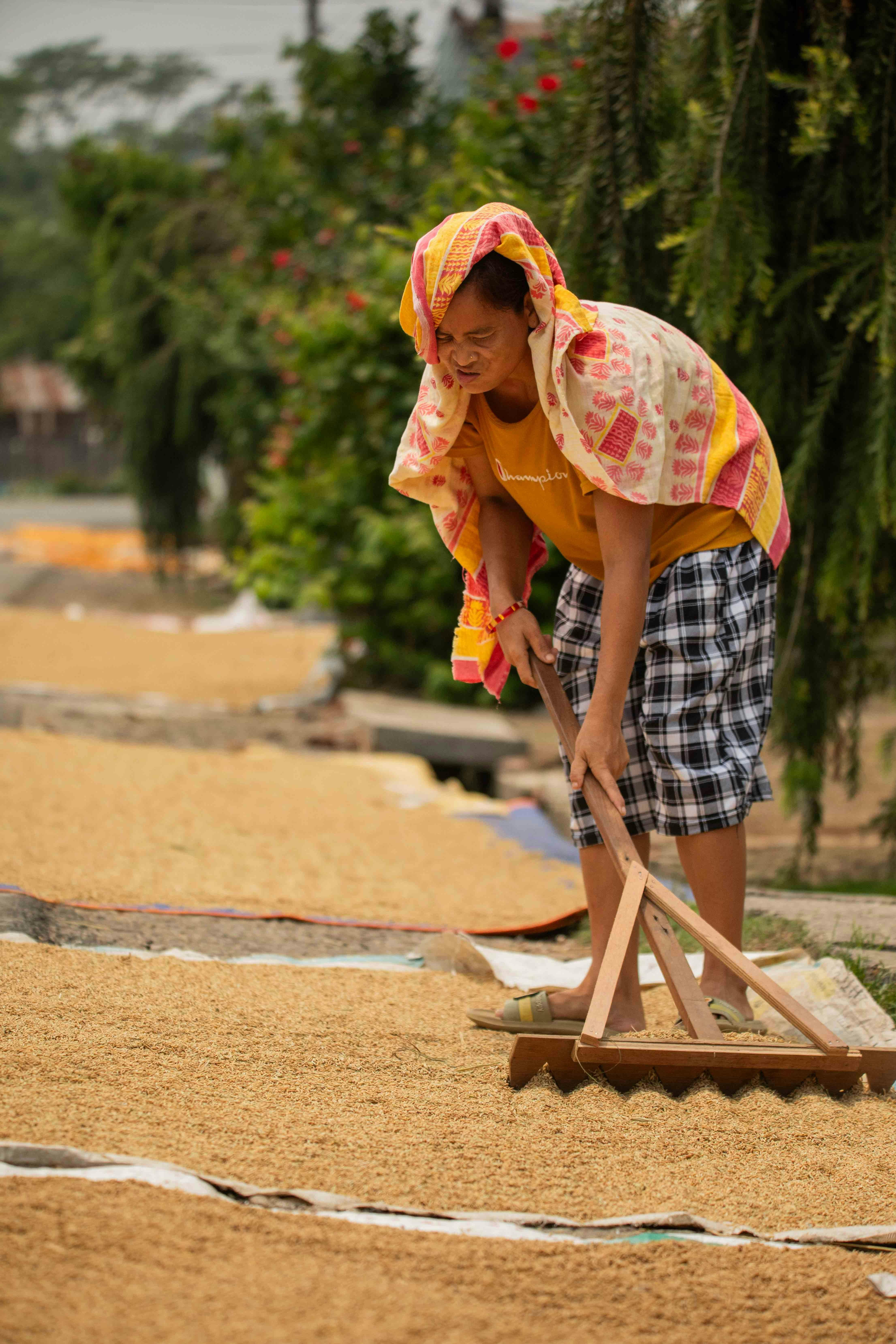
Techniques in Paddy Processing: Enhancing Quality and Nutritional value
Paddy processing encompasses a variety of techniques that elevate the quality and nutritional value of rice, transforming simple grain into a staple for millions. At the heart of this process is milling, which involves several stages, including sorting, husking, and polishing. each step is designed not only to remove the inedible parts but also to retain vital nutrients. Techniques such as parboiling are gaining popularity as they help preserve vitamins and minerals during the milling process. By soaking and steaming the rice before drying, this method enhances the grain’s nutritional profile, ensuring that every bite is packed with goodness.
Moreover, the storing and packaging methods employed post-processing play a crucial role in maintaining the quality and nutritional integrity of the rice. Aerated storage systems are utilized to control humidity and temperature, protecting the grains from spoilage and pest infestations. The approach to packaging has also evolved, with vacuum-sealed or nitrogen-flushed bags becoming the norm to extend shelf life and maintain flavor. These advancements not only ensure that consumers receive the freshest product but also contribute to enduring practices by reducing food waste.
| Processing Technique | Benefits |
|---|---|
| Husking | Removes outer layer; easy for cooking |
| polishing | Enhances appearance; reduces contaminants |
| Parboiling | Retains nutrients; improves digestibility |
| Aerated storage | Prevents spoilage; prolongs shelf life |
Sustainable Practices in Grain Processing: Balancing Efficiency and Environmental Impact
In the realm of grain processing, especially with paddy, the quest for sustainability has never been more paramount. Modern techniques are now designed not only to enhance productivity but also to minimize the environmental footprint.Key strategies include:
- Energy-efficient milling: Advanced machinery that reduces energy consumption while maintaining high output.
- Water conservation: Implementing closed-loop systems that recycle water used during processing.
- Biowaste management: Transforming byproducts into compost or bioenergy, thus contributing to a circular economy.
Moreover,the adoption of eco-pleasant technologies is fostering a new era in the industry. As an example, incorporating solar energy into milling operations significantly reduces reliance on fossil fuels. The following table illustrates the comparison of traditional versus sustainable paddy processing methods:
| Aspect | Traditional Method | Sustainable Method |
|---|---|---|
| Energy Source | Fossil Fuels | Solar Energy |
| Water Usage | High | Low with Recycling |
| Waste Management | Dumping | Recycling into Bioenergy |
Such innovations not only cater to market demands for eco-friendly products but also resonate with a greater commitment to preserving our planet for future generations. by integrating these sustainable practices into grain processing, the industry can effectively balance efficiency with environmental stewardship, setting a progressive example for agriculture as a whole.
Innovative Technologies in Paddy processing: Future Trends and Recommendations
As the demand for rice continues to increase globally,the paddy processing sector is poised for a technological revolution. Innovations in areas such as automation, IoT (Internet of Things), and artificial intelligence are streamlining operations and enhancing productivity. the implementation of smart sensors in milling equipment allows for real-time monitoring of grain quality and moisture levels, ensuring that the final product meets stringent standards. Blockchain technology is emerging as a vital tool for supply chain transparency, allowing stakeholders to track the journey of rice from paddies to plates, thus gaining consumer trust and boosting market accessibility.
To stay ahead in this rapidly evolving landscape, stakeholders in the paddy processing sector should focus on adopting sustainable practices and investing in renewable energy sources. The incorporation of energy-efficient machinery not only reduces operational costs but also minimizes the environmental footprint. Embracing biotechnology offers the potential for developing superior varieties of paddy that are resistant to pests and climate changes, further enhancing yield and quality. Industry participants are encouraged to collaborate in cross-disciplinary research initiatives that explore these innovative technologies, ensuring that paddy processing evolves to meet future needs while prioritizing sustainability.
Insights and Conclusions
As we draw the curtains on our exploration of paddy processing, it becomes clear that this age-old practice is far more than just a step in the agricultural chain; it’s a meticulous art that transforms humble grains into a staple of sustenance. From the rhythmic sounds of harvesting to the intricate dance of milling,each phase is a testament to the dedication of farmers and processors alike.
In unveiling the mysteries behind every grain of rice, we not only appreciate the labor that goes into our meals but also recognize the vital role this process plays in feeding communities and fostering economies. As we savor each bite, let’s remember the journey—from paddy fields to dining tables—filled with tradition, innovation, and resilience.
indeed, the transformation of grain into goodness is a narrative that weaves together culture, sustainability, and technological ingenuity. As we step forward into a future influenced by both ancient wisdom and modern advancements, may we continue to honor the richness of our agricultural heritage while striving for a more sustainable tomorrow. In this way, the story of paddy processing is far from finished; it’s an ongoing saga that invites us all to partake.